

How To Cope Effectively With Grief And Loss
Jamila Banks is a licensed Marriage and Family Therapist, transformational life coach, and founder of the Foster & Banks Walk in Faith Foundation and CEOME LLC. She specializes in holistic personal development, mental health advocacy, and empowering individuals to thrive through resilience and purpose.

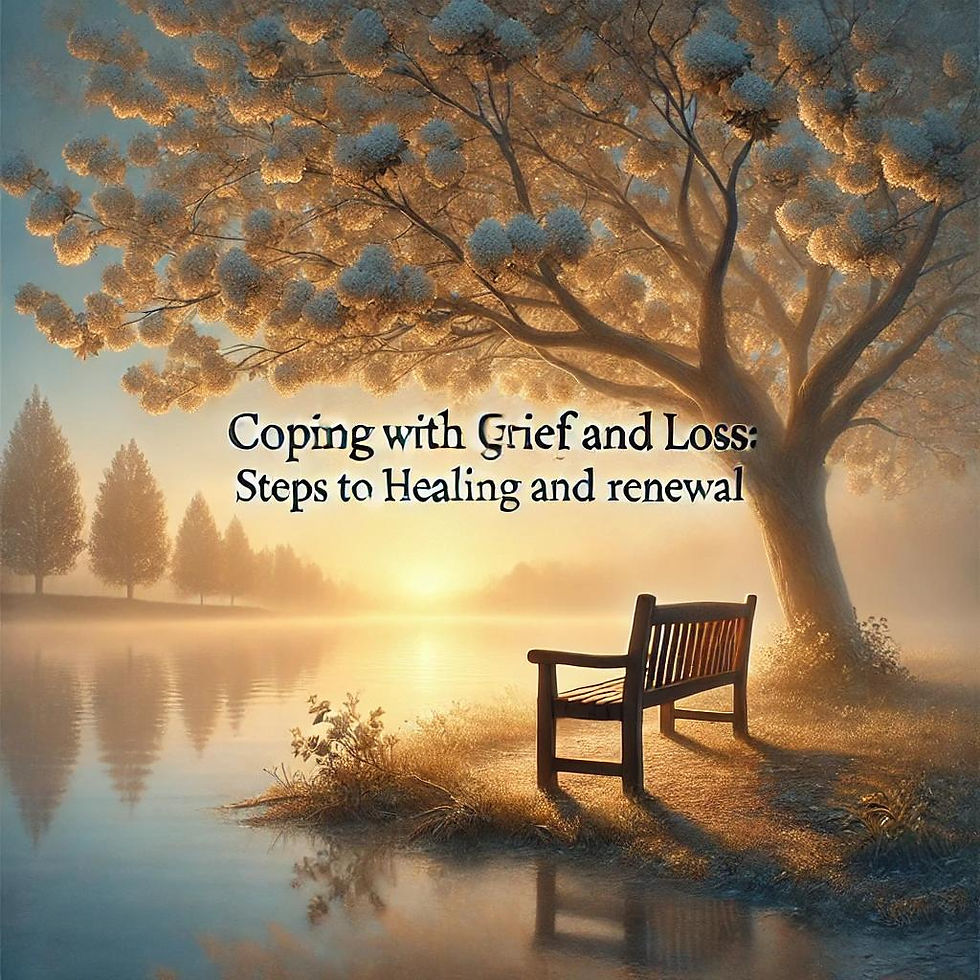
Grief is a powerful and complex emotion that arises from loss. It’s a universal experience, yet deeply personal, touching every facet of our lives. Whether you’ve lost a loved one, a relationship, or even a sense of identity, coping with grief can feel overwhelming. This guide offers practical strategies, examples, and activities to help you navigate your journey toward healing and growth.
Understanding grief and loss
Grief isn’t one-size-fits-all. It comes in many forms and affects everyone differently. Here are some common types of grief:
Acute grief: The immediate, often intense emotional response to a loss. This can feel like a heavy weight on your chest or constant waves of sadness.
Complicated grief: When the grieving process becomes prolonged and disrupts daily life, often leading to feelings of being “stuck.”
Anticipatory grief: Grieving a loss before it happens, such as during a loved one’s terminal illness or impending life change.
Secondary loss: Losses that come as a ripple effect of the primary loss, such as losing financial stability after a divorce or social connections after moving.
Understanding your grief can help you develop healthier ways to cope and set realistic expectations for yourself.
Recognizing the signs of grief
Grief impacts your emotional, physical, and mental well-being. Here are some common signs:
Emotional symptoms: Persistent sadness, guilt, anger, anxiety, or numbness. You may also feel overwhelmed by memories or regret.
Physical symptoms: Fatigue, headaches, body aches, difficulty sleeping, or changes in appetite.
Cognitive symptoms: Difficulty concentrating, forgetfulness, or a feeling of disorientation.
Behavioral symptoms: Withdrawing from social activities, avoiding reminders of the loss, or lashing out unexpectedly.
Recognizing these symptoms is the first step toward addressing them with intention.
9 strategies to cope with grief
Grief doesn’t have a timeline, but intentional actions can help you move forward. Here are strategies, along with examples and activities:
1. Acknowledge and accept your feelings
Suppressing grief only prolongs its impact. Give yourself permission to feel sadness, anger, or even relief, depending on the situation.
Activity: Keep a “grief journal” where you write freely about your emotions without judgment.
Example: Write a letter to your loved one expressing what you miss or what you wished you could have said.
2. Create a support network
Grief can feel isolating, but you don’t have to face it alone. Lean on trusted friends, family, or support groups.
Activity: Host a memory-sharing circle where loved ones gather to share stories, photos, or memories of the person you lost.
Example: Join an online or in-person grief support group where you can connect with others experiencing similar feelings.
3. Maintain a routine
Loss often disrupts your daily life, making it difficult to focus or function. Re-establishing a routine provides stability and structure.
Activity: Start with small daily goals, like making your bed or taking a short walk. Build up to larger tasks over time.
Example: If mornings are especially difficult, create a calming morning ritual involving tea, meditation, or reading.
4. Engage in mindful practices
Mindfulness can help you stay grounded during overwhelming moments of grief.
Activity: Practice guided meditation focused on acceptance and letting go. Apps like Calm or Headspace can be helpful.
Example: Try deep breathing exercises – inhale for four counts, hold for four, and exhale for four – to reduce stress and calm your mind.
5. Create a tribute or memorial
Honoring the person or thing you’ve lost can bring a sense of closure and connection.
Activity: Plant a tree, create a scrapbook, or dedicate a piece of artwork in their memory.
Example: Organize an annual tradition, like lighting a candle on their birthday or donating to a cause they care about.
6. Stay physically active
Exercise is a powerful tool for improving mental health and releasing pent-up emotions.
Activity: Join a yoga class that focuses on gentle movement and breathing.
Example: Go for a nature walk where you can reflect and find moments of peace.
7. Channel your grief into creativity
Creative expression can provide an outlet for emotions that are difficult to verbalize.
Activity: Try writing poetry, painting, or playing music.
Example: Create a memory box filled with photos, letters, or mementos that remind you of the positive moments.
8. Volunteer or help others
Giving back can create a sense of purpose and shift your focus outward.
Activity: Volunteer at a local shelter, community center, or hospice.
Example: Start a fundraiser or awareness campaign in honor of your loved one.
9. Seek professional support
Grief counseling or therapy can provide tailored coping strategies and a safe space to process your feelings.
Activity: Schedule regular therapy sessions or join a structured bereavement program.
Example: Explore expressive therapies like art, music, or equine therapy, which are designed for emotional healing.
Finding meaning amid grief
Grief changes you, but it can also lead to growth and resilience. Consider these activities to help find meaning:
Gratitude practice: Reflect on the lessons or positive memories your loss has brought into your life. Write down three things you’re grateful for each day.
Vision boarding: Create a board representing your goals and hopes for the future. It can help redirect your focus and energy toward positive change.
Mindful reflection: Dedicate 10 minutes a day to reflecting on how your loss has shaped your perspective and what it’s taught you about life and love.
When to seek help
If grief begins to feel unmanageable, causing a prolonged inability to function, intense feelings of hopelessness, or thoughts of self-harm, professional help is essential. Therapists can guide you through the complexities of grief and provide tools to help you move forward.
Final thoughts
Grief is a journey, not a destination. It’s okay to take your time and experience every emotion along the way. By acknowledging your feelings, seeking support, and engaging in activities that promote healing, you can honor your loss while moving toward a life filled with hope and meaning.
You’re not alone in your grief, and healing is always possible, one step at a time.
Read more from Dr. Jamila Banks
Dr. Jamila Banks, Licensed Marriage & Family Therapist
Jamila Banks is a transformational leader, licensed Marriage and Family Therapist, and Founder of the Foster & Banks Walk in Faith Foundation and CEOME LLC. Growing up in South Central Los Angeles, she overcame adversity to become a champion for holistic transformation, empowering individuals and families to thrive. With a background in mental health, community advocacy, and personal development, Jamila combines professional expertise with her personal journey to inspire change. Her mission: to help others turn challenges into opportunities and lead fulfilling lives filled with purpose and resilience.



