Toxic and abusive relationships
Learn how to recognize and address toxic and abusive relationships. Our contributors offer guidance on identifying signs of abuse, understanding its impact, and finding ways to safely exit such relationships. Learn about the different forms of abuse, the psychological effects, and available support systems. Find practical advice and support if you are experiencing or recovering from toxic and abusive relationships.
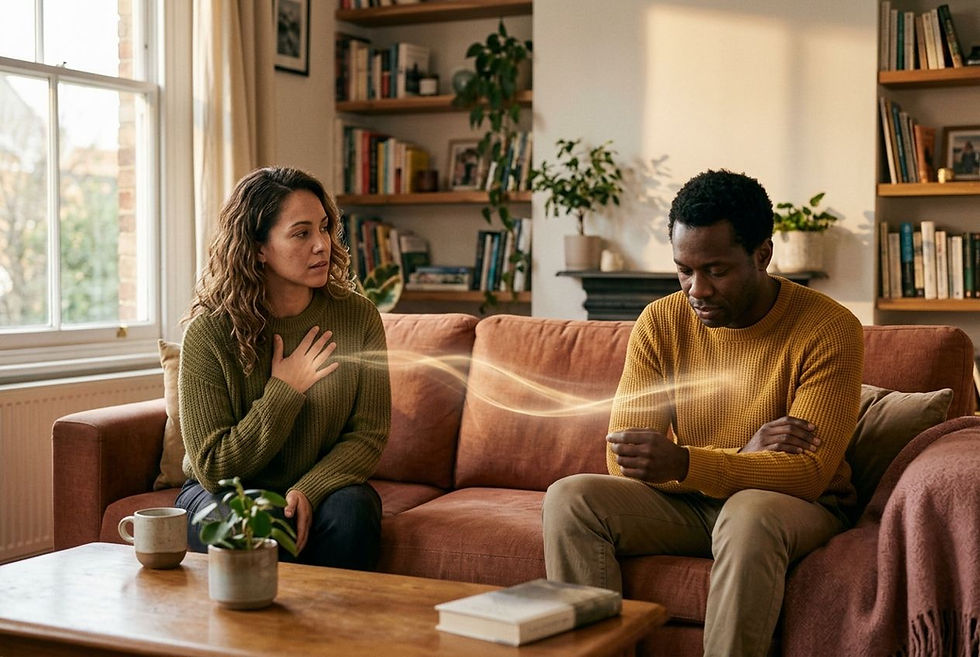
You Call It Incompatibility, Your Nervous System Calls It a Trauma Response
Most people come to therapy convinced that the fights with their partner are about the dishes, the money, or their partner’s parents. Underneath almost every recurring fight, something older is running the show...
Why Do I Lose Myself in Relationships?
You can read your partner's mood from the sound of their keys in the door, and by the time they say hello, you've already adjusted. Losing yourself in a relationship happens through small, skilled...

Conflict is Not About the Other Person, It is About the System You Enter
When conflict repeats, the problem may not lie in either person's behaviour alone but in the system of expectations, roles, and responses that emerges between them. Understanding conflict requires looking beyond...

How to Spot Energy Vampires and Protect Your Peace
Have you ever walked away from a conversation feeling as though someone had pulled the plug on your energy? Nothing dramatic happened, and the person may even be someone you love, yet you feel heavy...

Control Behind the Scenes and How It Hides in Everyday Life
A request can sound reasonable until we see what happens after someone says no. “I only want what is best for you.” “After everything I have done for you.” Neither sentence proves anything. But if every refusal...
Codependency and Its Ways to Screw Your Life Up
Codependency is a relationship dynamic in which one person gives and the other takes. A people pleaser fits this definition. You constantly pour into people, places, and situations to keep peace and balance.
How to Get Your Feelings Heard Without Starting an Argument
Imagine finally finding the courage to speak about something important. You say, “I feel ignored, as if you don’t even see me. I feel disrespected in this relationship.” The response is: “I do respect you.

The Anatomy of Conflict
Conflict rarely begins with raised voices or visible disagreement, but with the hidden assumptions, interpretations, and emotional responses that shape how we experience another person’s actions. By...
Coercive Control vs Conflict – 7 Patterns Worth Paying Attention to
Every relationship experiences conflict. But not every pattern of behavior should be explained away as a communication problem. Coercive control can be difficult to recognize precisely because individual...

The Black Sheep Was Never the Problem
For most of my life, I thought my childhood was normal. When you are raised in an abusive family, you do not know you are living inside dysfunction because dysfunction is all you have ever known. Chaos feels like...
Seven Steps to Elevate After Unhealthy Love
Heartbreak does not end when a relationship does. This article explores why healing begins after the breakup, offering a practical seven-step framework to help you reconnect with yourself, rebuild your...

10 Signs Trauma Is Choosing Your Relationships
If the same kind of relationship keeps finding you, whether it is the same unavailable partner, the same exhausting friendship, or the same fear when things finally start to feel good, this guide is for you.

The Factor Most Couples Ignore Until It Becomes a Problem
Most people believe conflict begins with words exchanged in the moment, yet conversations often start long before anyone speaks. The emotional, physical, and cognitive conditions each person carries...
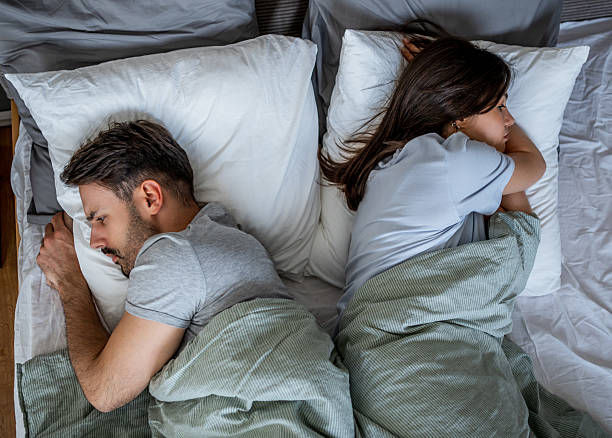
When Walking Away is the Most Loving Thing You Can Do
Let's talk about something many people quietly experience but rarely fully understand: why do we stay in relationships we know deep down aren't making us happy? The signs are often obvious. The...

Why Neurodivergent People Are More Vulnerable to Love Addiction
Love addiction is often described as an unhealthy attachment to another person, but for many neurodivergent individuals, love addiction is not really about romance at all. It is about finally feeling seen.