

What Is The #1 Cause Of IBS?
Written by: Trish Whetstone, Executive Contributor
Executive Contributors at Brainz Magazine are handpicked and invited to contribute because of their knowledge and valuable insight within their area of expertise.

Irritable Bowel Syndrome affects approximately 10%-20% of the population worldwide. It is characterized by abnormal bowel patterns, gas, bloating, abdominal pain, and low energy, among other concerns.
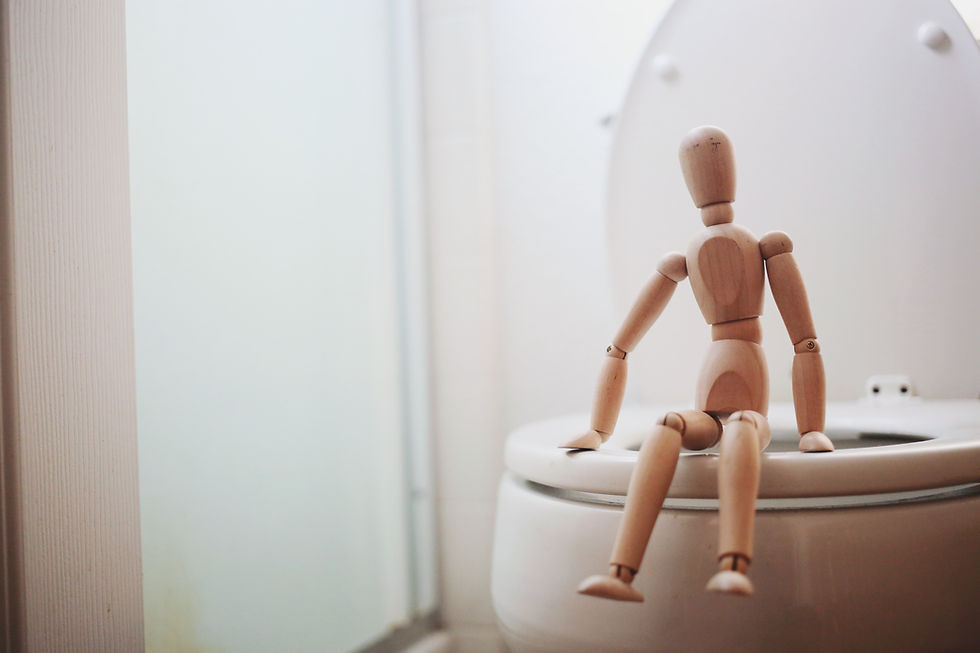
The etiology of IBS is still being studied and differs from person to person, but one factor still takes the cake. It’s stress! Here’s the caveat; you may be overlooking some different types of stress or just how mental stress from a long to-do list affects your digestive system. Let’s look at 3 ways stress contributes to gastrointestinal disorders such as IBS.
The Gut-Brain Axis
The colon (the gut) and the brain are directly connected via the Vagus Nerve. This connection is called the Gut-Brain Axis. Neural signals from the brain travel down to the gut and vice versa. This means that the mental stress you experience from a packed work schedule and that fight with your partner actually impacts the health of your gut. Ever felt that drop in your abdomen with the onset of bad news? Yup, that’s the gut-brain connection!
Stress Hormones
Let’s dive deeper. Cortisol is the hormone released during stressful times, and research shows that persistent cortisol release can upset the delicate balance of good and bad bacteria within the gut. This bacteria environment is called the microbiome, and it can become unbalanced when the bad bacteria take over. Bacterial overgrowth is an underlying causal factor in many cases of IBS.
Additionally, when under stress, adrenaline mobilizes the body for action. Blood rushes away from the abdomen to the appendages. You’ve likely heard of the “fight or flight” response. The body is primed to fight off a grizzly bear or run away from it. During an attack, the body prioritizes these actions and shuts down digestion. Digesting your lunch is simply less important during these threats.
The problem is most of us live in this stressful state far too often, literally shutting off digestion. We’re no longer running away from grizzly bears (hopefully) but evading our angry boss or sitting in traffic. In the long term, this can impact the optimal function of the digestive system.
Biochemical Stress
So we know mental and emotional stress can aggravate the gut, but what about nutrition? That’s where biochemical stress comes into play. This is stress within the body’s internal physiological environment. Highly processed foods laden with sugar, preservatives, and trans fats cause inflammation within the gut, spike blood sugar, and thus cause biochemical stress. Unidentified food allergies or sensitivities, such as lactose intolerance, can also cause a stressed-out gut. Additionally, inconsistent meal timing and eating in a rush can cause fluctuations in blood sugar and create a stressful environment within the digestive tract.
How to Manage IBS?
Now that you know just how much stress impacts digestive health, what steps can you take to mitigate these effects?
Gain Clarity. For starters, you can download the comprehensive Feel Good Gut Guide highlighting actionable steps toward better gut health.
Seek Support. Finding professional help can be of utmost importance when managing complex conditions like IBS. As a Certified, Health, Life & Nutrition Coach, I provide support and accountability for busy professionals managing IBS. Book your complimentary Clarity Chat here.
Here’s to feeling good in your gut!
Want to learn more from Trish? Follow her on Facebook, Instagram, Linkedin and visit her website.
Trish Whetstone, Executive Contributor Brainz Magazine
Trish Whetstone is The Feel Good Gut Coach, a holistic health specialist, stress expert, and intuitive eating advocate. Trish received degrees in Psychology & Public Health from The State University of New York at Fredonia and worked within the non-profit world as an Educator, Coordinator & Director. After waking up too many times in her early twenties feeling like she "got hit by a bus", Trish said enough was enough. She healed her gut after years of struggling with IBS (irritable bowel syndrome) and became a Certified Health, Life, and Nutrition Coach to help others do the same. Through her personal coaching business, Health Coaching by Trish, she helps busy professionals with nutrition, stress management, and lifestyle change, so they can feel good in their gut! Catch her co-hosting the podcast "Ice Cream, You Scream", within The Feel Good Gut Facebook group, on Instagram as @feelgoodgutgirl, or visit her website www.healthcoachingbytrish.com.






