The Weight of Silence – Inherited Trauma Across Generations
April Wazny specializes in trauma-informed, evidence-based therapy. Passionate about helping others heal, she works alongside individuals and families to process generational trauma and build lasting emotional resilience.

Trauma is often imagined as an event that happens to an individual, a single wound inflicted by circumstance, loss, or abuse. But what happens when trauma does not end with one life? What happens when it is carried quietly across generations, embedded in gestures, silences, and unspoken rules? These are the echoes of inherited trauma, the unspeakable stories that shape families in ways both subtle and profound.
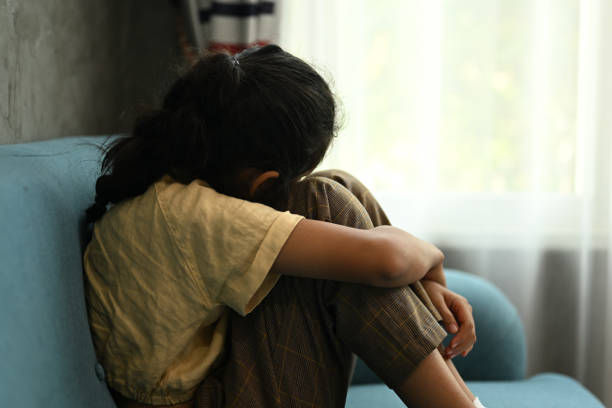
For many children, the impact of a parent’s or grandparent’s trauma is invisible yet palpable. Anxiety, hypervigilance, and emotional distance may appear inexplicable until traced back through the lineage of experiences never shared. Researchers in developmental and clinical psychology describe this phenomenon as the intergenerational transmission of trauma, how the emotional and psychological burdens of one generation can ripple into the next, shaping behavior, attachment, and even physiological responses.
Silence is a powerful carrier of trauma. When stories of loss, abuse, or fear are never told, the absence itself communicates lessons. Children learn caution, mistrust, or suppression of emotion not from words, but from the tense air in the room, the avoidance of certain topics, or the fleeting glance that seems to warn against asking too much. These silent lessons can manifest as depression, anxiety, or difficulty forming close relationships, even when the child has never directly experienced the original trauma.
Yet inherited trauma is not destiny. Awareness and acknowledgment are the first steps toward breaking cycles that have persisted for decades. Healing begins when we name the wounds, even if only to ourselves, and begin the work of creating narratives that affirm safety, resilience, and connection. Family therapy, narrative therapy, and trauma-informed approaches provide spaces where unspoken pain can be voiced, understood, and transformed.
There is a quiet power in recognition. When daughters and sons confront the echoes of what was never said, they reclaim agency over their own emotional landscapes. They learn to differentiate between inherited fear and personal experience, and in doing so, they build bridges to the next generation grounded in awareness rather than silence.
Trauma may be inherited, but so too can be resilience. By acknowledging the unspoken, naming the unspeakable, and offering empathy across generations, families can cultivate healing, not just survival. The stories that were once unsaid need not remain unspoken forever. They can be transformed into wisdom, compassion, and hope.
I was a strong-willed child, one who tried to speak up when things did not feel right, when questions or feelings bubbled to the surface. I was told I was “difficult,” that my voice was a burden, that my questions were too much. What I now understand is that my insistence on being heard was my body and mind reacting to inherited trauma, the echoes of sexual, mental, and physical abuse my parents had endured and silently carried into their parenting.
Their wounds shaped the way I experienced love, safety, and connection. Fear, anger, and silence often filled the spaces between us, and I learned early to navigate a world of unspoken rules. My attempts to assert myself were met with resistance or dismissal, teaching me that speaking up could be dangerous, and that my needs and emotions were secondary to the lingering pain they carried.
Growing up like this was confusing. I carried anxiety and tension that I could not name. I felt the weight of what was never said, the trauma my parents survived, the fear they could not release, and the unspoken patterns they passed down. I internalized their silence, their hypervigilance, and even their shame, believing for a long time that these burdens were mine alone.
But as I grew, I began to recognize the inherited nature of this pain. My strong will, once labeled “difficult,” became a source of insight. Naming the patterns of intergenerational trauma allowed me to understand my own reactions, reclaim my voice, and create intentional spaces for healing. Therapy, self-reflection, and conscious connection have been tools in learning to differentiate my own experiences from the echoes of my parents’ past.
Healing does not erase trauma, but it transforms the legacy. By acknowledging what my parents endured and how it shaped our family, I can break cycles of silence and fear. I can honor my own voice and create a future where speaking up is not met with fear, judgment, or dismissal. Trauma may be inherited, but so too is resilience, and the courage to confront, feel, and rewrite the stories that were never spoken.
Perhaps many of us carry stories that were never meant to be ours alone. When we listen closely to our bodies, our reactions, our silences, we may begin to recognize what was inherited and what can be released. In that recognition lies the possibility of choice, and with choice, the chance to pass on something different.
The chains of physical and emotional abuse are so rarely broken because they are forged not only from harm, but from survival. Those who were hurt learned ways to endure, through silence, control, emotional distance, or fear, and these strategies, once protective, are often mistaken for love. When pain is unexamined, it becomes normalized. When trauma is unnamed, it is repeated. Breaking these chains requires more than good intentions. It demands awareness, safety, and the courage to feel what previous generations could not. Without this, love is filtered through unresolved wounds, and what is passed down is not cruelty, but unfinished healing.
“There are wounds that live in the body but have no name. There are stories passed down not in words, but in fear, distance, or a look that lingers too long. A story of what was never told, but always felt.” – April Wazny
Visit my website for more info!
Read more from April Wazny, LCPC
April Wazny, LCPC, Licensed Clinical Professional Counselor
April Wazny is a trauma-informed therapist and founder of Winora’s Hope Counseling. She’s passionate about walking alongside those who are hurting, helping individuals and families heal from generational trauma and reclaim their wholeness. Currently pursuing a Ph.D. in Social Psychology at Liberty University, April’s work explores the lasting impact of inherited trauma and the power of safe, compassionate connection in the healing process. Through both her writing and clinical work, she creates space for people to feel seen, supported, and empowered in their journey.