

The Six Steps to Purchasing a Luxury Condominium in New York City
Updated: Mar 5
Ellen Silverman brings a decade of New York City real estate expertise, having built a successful career as a Wall Street analyst. She advises both local New York City buyers and sellers, as well as international investors.

Luxury condominiums represent the pinnacle of New York City living, combining prime locations, elevated design, and unmatched flexibility for today’s global buyer. While co-ops dominate the market, discerning investors and high-net-worth individuals consistently choose condos for their privacy, ease of ownership, and long-term value. Here’s a clear, strategic guide to navigating the six essential steps of buying a luxury condominium in NYC.
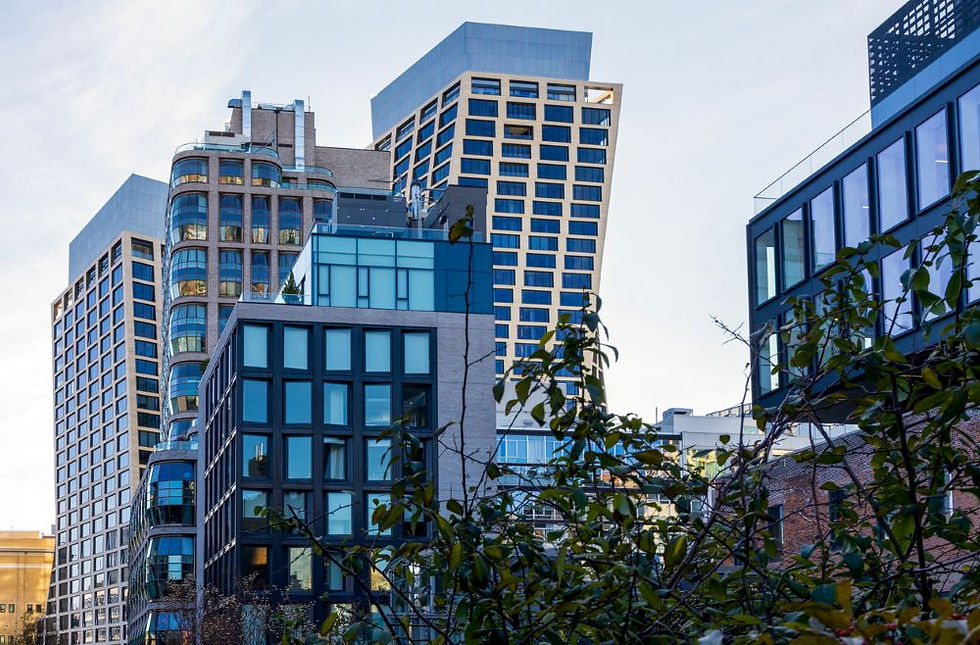
Why luxury condominiums are New York City's most sought-after properties
While New York City's residential real estate market is dominated by cooperative (co-op) buildings, which account for approximately 70-75% of housing stock, condominiums make up the remaining 25-30%, but for discerning buyers. Luxury condominiums offer unmatched flexibility, privacy, and long-term investment value. Unlike co-ops, condominiums allow greater ease of purchase, financing options, and rental potential, making them the preferred choice for high-net-worth individuals and international investors.
Buying a luxury condominium in NYC is a strategic six-step process.
Step 1: Define your budget and financial parameters
Before touring properties, establish a clear financial picture. If you plan to finance, obtain a mortgage pre-approval, as this strengthens your negotiating position and signals seriousness to sellers. Key costs to budget for when purchasing a luxury NYC condominium include:
Down payment: Typically, 10-20% of the purchase price
Closing costs: Approximately 3-6% of the purchase price
NYC Mansion Tax: Starts at 1% for properties $1M and above, with a graduated scale
Ongoing costs: Monthly common charges and real estate taxes
Pro tip: A comprehensive financial review with your advisor ensures your purchase aligns with both your lifestyle goals and long-term wealth-building strategy.
Step 2: Assemble your NYC luxury real estate team
In the luxury market, the professionals you choose directly impact the outcome. Your advisory team should include:
A buyer's broker specializing in NYC luxury condominiums with deep neighborhood knowledge
A New York real estate attorney experienced in high-value residential transactions
A mortgage broker or private banker (if financing), ideally one familiar with jumbo loan products
An experienced team protects your interests, negotiates strategically, and ensures complete discretion throughout the transaction.
Step 3: Tour properties and analyze the market
Your search should be both strategic and experiential. Whether you're considering established trophy buildings in Manhattan or new development condominiums in emerging neighborhoods, your broker will:
Arrange private showings tailored to your criteria
Analyze comparable sales to establish fair market value
Negotiate not just price, but closing timelines, contingencies, inclusions, and potential seller credits
Search tip: Evaluating comparable sales is essential to making a competitive and informed offer.
Step 4: Contract review and due diligence, what NYC condo buyers must know
Once your offer is accepted, the seller's attorney issues a contract package that typically contains:
Purchase contract
Offering plan and amendments
Building financial statements
House rules and bylaws
Board meeting minutes
Your real estate attorney will conduct a thorough analysis of:
The building's financial health and reserve fund adequacy
Pending or anticipated litigation
Current or upcoming special assessments
Sponsor standing for new development purchases
Why it matters: Skipping due diligence on a luxury condominium purchase can result in unexpected six-figure assessments or costly legal complications after closing.
Step 5: Sign the contract and navigate the condo board process
Upon completing due diligence, you'll sign the purchase contract and submit a 10% deposit. Once fully executed, the contract is legally binding.
The condominium board application is then submitted. Unlike co-op boards, which conduct in-depth interviews and have broad approval authority, condominium boards are less intrusive. However, they do retain a Right of First Refusal, meaning the board may choose to purchase the unit under the same terms as the accepted offer.
Timeline: Condo board approval typically takes two to four weeks.
Step 6: Final walk-through and closing day
A final walk-through is scheduled 24-48 hours before closing to confirm the property is in the agreed-upon condition. At closing:
Funds are transferred via wire
Title is officially conveyed
The deed is recorded with the City of New York
Keys are delivered to the new owner
Congratulations! You're officially a luxury condominium owner in New York City!
How long does it take to buy a luxury condo in NYC?
Resale Condominium: 45-75 days from accepted offer to closing
All-Cash purchase: 30-45 days
New Development: Varies depending on construction progress and offering plan status
Five critical risk factors luxury NYC condo buyers must evaluate
Even in premier Manhattan buildings, hidden risks can affect both your lifestyle and investment returns. Experienced buyers and their advisors proactively address these five areas:
Financial analysis: Review audited financials, reserve fund strength, and capital improvement plans. Underfunded reserves are a red flag.
Special assessments: In luxury buildings, assessments can reach six figures. Know what's planned or pending before you sign.
Governance and documentation: Analyze Bylaws, House Rules, Offering Plan Amendments, and Board Minutes for governance issues or disputes.
Lifestyle restrictions: Understand renovation policies, pet rules, rental restrictions, and short-term rental limitations, as these directly affect resale value and flexibility.
Alteration and permit verification: Confirm that all prior renovations are properly permitted and signed off. Unpermitted work can cause costly delays or remediation requirements.
Ready to buy a luxury condominium in New York City?
Acquiring a luxury condominium in New York City is more than a purchase, it is a strategic investment in lifestyle and long-term wealth. With the right representation and thorough due diligence, the process can be seamless, discreet, and highly rewarding.
Contact Ellen directly at ellen.silverman@compass.com or visit her website for personalized guidance on purchasing luxury real estate in New York City.
Read more from Ellen Jane Silverman
Ellen Jane Silverman, Licensed Real Estate Salesperson
Ellen J. Silverman is a Licensed New York City Real Estate Advisor at Compass, specializing in luxury condominiums and new developments. She works with buyers and international investors worldwide to navigate one of the world's most competitive real estate markets.



