

Turmeric – The Saffron Of India
Written by Stefania Piccardo, Language Tutor
Stefania Piccardo obtained her PhD in English language and literature from La Sapienza University of Rome, Italy. During her academic years, she worked for Scottish distilleries and castles as a tour guide in multiple languages.

Historic background: While the use of this spice dates back 4000 years to the Vedic culture in India, we do know that the Vedic people used Turmeric and products derived from it as far as 4000 years back and slowly spread through other regions with Marco Polo describing Turmeric’s properties as very similar to those of Saffron.
Etymology
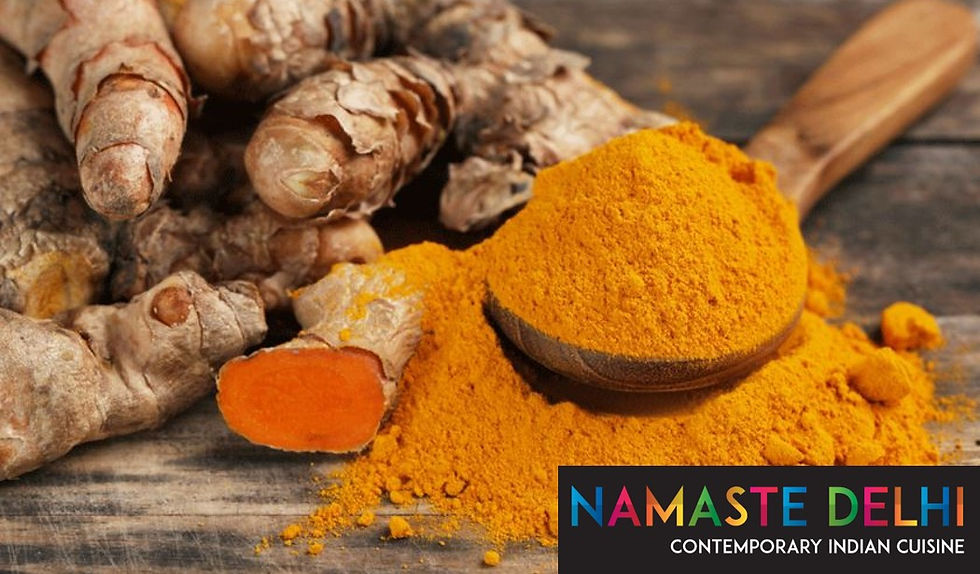
Today, turmeric is widely cultivated in the tropics and goes by different names in different cultures and countries. In North India, turmeric is commonly called “haldi,” a word derived from the Sanskrit word haridra, and in the south it is called “manjal,” a word that is frequently used in ancient Tamil literature. It is known as terre merite in French and simply as “yellow root” in many languages. In many cultures, its name is based on the Latin word curcuma. In Sanskrit, turmeric has at least 53 different names.
Cultivation
Turmeric itself is a plant belonging to the ginger family, which is native to tropical South Asia. As many as 133 species of Curcuma have been identified worldwide. The turmeric plant needs temperatures between 20°C and 30°C and a considerable amount of annual rainfall to thrive.
India produces nearly all of the world’s turmeric crop and consumes 80% of it. With its inherent qualities and high content of the important bioactive compound curcumin, Indian turmeric is considered to be the best in the world.
Common uses of turmeric
Turmeric has been put to use as a foodstuff, cosmetic, and medicine. It is widely used as a spice in South Asian and Middle Eastern cooking. It lends curry its distinctive yellow colour and flavour. It is used as a colouring agent in cheese, butter, and other foods.
Health properties
Some cultures give herbs and spices almost magical powers and turmeric is no exception. This cure-all spice, is well known for various health benefits from reducing inflammation, helping alleviate and cure asthma, bronchial hyperactivity to different respiratory allergies, indigestion, bloating, stomach aches and various eating disorders.
Consuming turmeric on a regular basis can help purify the blood, dissolve clots and thin the blood, which promotes better blood flow and increased absorption of oxygen. This helps raise your energy levels, increase sleep quality and lowers heart disease risk.
On top of this, the antioxidants found in turmeric, not only help slow the aging process, but have been proven to help people suffering from Alzheimer’s disease.
Interesting facts
While turmeric can help with many different ailments, it is not magic but consistency is key for the effects to take place!
Turmeric paste is applied to the skin of the bride and groom before marriage in some parts of India, Bangladesh, and Pakistan, where it is believed to make the skin glow and keep harmful bacteria away from the body. No wonder several multinational companies are involved in making face creams based on turmeric!
Erode, a city in the South Indian state of Tamil Nadu, is the world’s largest producer and the most important trading centre for turmeric. It is also known as “Yellow City,” “Turmeric City,” or “Textile City.”
Recently the plant has been praised for its ability to prevent multiple types of cancer (skin cancer, breast cancer, oral cancer, and stomach cancer), as well as slowing the aging process. If used in combination with other herbal remedies, it can be as effective and often times more so then high-end medication and all at a fraction of the cost!
Conclusion
Turmeric has a lot of underlying potential and should be looked at by anyone trying to improve their health and make any dish tastier!
Stefania Piccardo, Language Tutor
Stefania Piccardo obtained her PhD in English language and literature from La Sapienza University of Rome, Italy. During her academic years, she worked for Scottish distilleries and castles as a tour guide in multiple languages. Her love for Scotland brought her back to Aberdeen in 2003, where she obtained an MSc in Corporate Communications and Public Affairs from Robert Gordon University.
She then worked for multiple organizations but soon realized that she wanted to teach languages privately to the corporate level. Stefania has helped many students achieve the best grades in school and university but most of all she has the ambition to train corporate employees who deal with import/export and foreign trade or want to develop their careers and expand their horizons for more opportunities in Europe and beyond. She speaks four languages, including Italian, her mother tongue, English, French and Spanish and she founded Language tutor4U back in 2012.







