

What Is Astigmatism and How to Treat It
Millions of people around the world have astigmatism, which is a common problem with vision. When the lens or cornea of the eye isn't shaped right, it can make vision blurry or distorted. Astigmatism can happen to anyone, but it usually starts at birth. A lot of people might not even know they have it until they start to feel sick. This article's goal is to explain what astigmatism is, what its symptoms are, what causes it, and what treatments are available to help people deal with it.
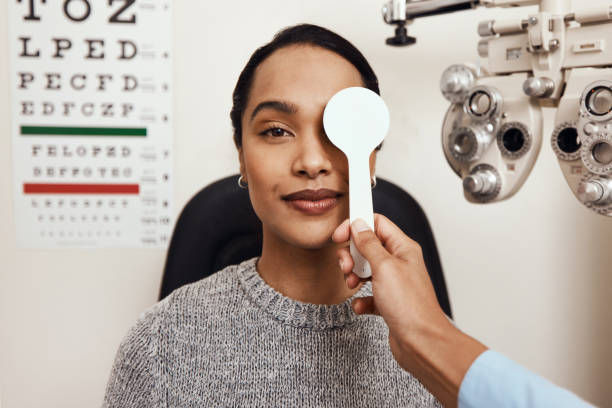
What is astigmatism?
As we mentioned before, astigmatism is a refractive error in which the eye's cornea or lens is shaped more like a football than a basketball. Because of this strange shape, light can't focus evenly on the retina, which makes vision blurry or distorted. Instead of focusing on one point on the retina, light spreads out over many points. This can make pictures look like they're stretched or uneven.
Astigmatism is not the same as nearsightedness (myopia) or farsightedness (hyperopia) because the cornea or lens does not curve in a normal way. People with astigmatism may not be able to see clearly at any distance, but the amount of distortion or blurriness can be different.
Common symptoms of astigmatism
The symptoms of astigmatism can be quite noticeable, especially as the condition worsens. Common signs include:
Blurred or distorted vision: Can happen at any distance, near or far. This distortion may not always be there, and some people may notice it more when they are tired or have been concentrating for a long time.
Eye strain or discomfort: Especially after reading, using electronic devices, or doing things that need a lot of visual focus.
Frequent headaches: Eye strain often leads to headaches, especially when trying to focus for long periods.
Squinting: Many individuals with astigmatism find themselves squinting in an attempt to see more clearly.
Double vision or ghosting images: This happens when light is not focused correctly, which makes it hard to focus because the images are faint and overlap.
If you have any of these symptoms, you should see an eye care professional to find out if astigmatism or another vision problem is to blame.
Causes and risk factors of astigmatism
Genetic factors are the main cause of astigmatism, which means it tends to run in families. If your parents have astigmatism, you are more likely to get it too. But astigmatism can also happen for other reasons:
Eye injuries or surgery: Any injury to the eye, even surgery, can cause astigmatism because it changes the natural shape of the cornea or lens.
Keratoconus: This is a condition where the cornea thins and bulges into a cone shape, causing astigmatism to worsen.
Age: Astigmatism can change over time, especially if other vision problems like cataracts develop as you age.
Environmental factors: In some cases, prolonged eye strain or improper eye care can contribute to changes in the shape of the cornea.
How astigmatism is diagnosed
A comprehensive eye exam is the best way to diagnose astigmatism. During the exam, your optometrist or ophthalmologist will conduct several tests:
Keratometry: Measures the curvature of the cornea to determine if it has an irregular shape.
Refraction test: Involves using a machine called a phoropter to determine the amount of refractive error present in the eyes.
Corneal topography: A more advanced test that maps the surface of the cornea to detect subtle irregularities.
Regular eye exams are important because they not only diagnose astigmatism but also monitor any changes in the condition over time.
Treatment options for astigmatism
Prescription glasses for astigmatism
Most people with astigmatism find that glasses are the easiest and best way to fix the problem. Toric lenses are what most glasses for astigmatism use. These lenses are made to make up for the cornea or lens's uneven curvature. These lenses make the light strike the retina in the appropriate way, which makes things look clearer.
Toric lenses are not like conventional spherical lenses since they have varying curvatures in different areas. This helps with astigmatism and other refractive errors. People with astigmatism can choose from a variety of frame styles for their prescription glasses. This way, they can find a pair that fits their style while also fixing their vision.
Contact lenses for astigmatism
There are both soft and hard gas-permeable (RGP) types of contact lenses for astigmatism, which are also known as toric lenses. These lenses are made to fit snugly on the eye and fix the cornea's uneven curvature so that you can see clearly.
Soft toric lenses: These lenses are comfortable and flexible, making them a good choice for people with mild to moderate astigmatism. They are comfortable all day and can be worn while doing most things.
Rigid gas permeable (RGP) lenses: These types of contact lenses make things look clearer than soft lenses, especially for people with more severe astigmatism. RGP lenses are strong and give you clear vision, but it may take some time to get used to them.
Taking appropriate care of your astigmatism contact lenses is highly important for your eye health and clear vision. To avoid infections and irritation, make sure to follow the recommended schedule for cleaning and wearing.
Surgical options for astigmatism
Sometimes, surgery may be an option for correcting astigmatism, especially for people who can't wear glasses or contact lenses. Here are two common types of surgery:
LASIK (Laser-Assisted in Situ Keratomileusis): A common surgery that changes the shape of the cornea to fix astigmatism and other problems with vision. LASIK is a very effective surgery that doesn't take long to heal from.
PRK (Photorefractive Keratectomy): This is a procedure that is similar to LASIK, but it involves taking off the cornea's outer layer before reshaping it. People with thinner corneas or more severe astigmatism can have PRK.
While surgery can be effective, it is important to consult with an experienced surgeon to determine if you are a good candidate for these procedures.
Lifestyle changes and tips for managing astigmatism
It's not enough to just wear corrective lenses to deal with astigmatism. There are a number of things you can do in your daily life to help with your symptoms and make your eyes feel better overall:
Wear sunglasses: To keep your eyes safe from UV rays and glare, especially when it's bright outside. Sunglasses can also help your eyes feel better when bright light hurts them.
Take breaks from screens: Digital eye strain can happen when you spend a lot of time in front of a screen. This is even worse for people with astigmatism. According to the 20-20-20 rule, you should look at anything at least 20 feet away for at least 20 seconds every 20 minutes.
Regular eye check-ups: Watch for any changes in your vision and see an eye doctor on a regular basis. You need to keep an eye on your astigmatism because it can change over time and make your vision worse.
Eye hydration: Use eye drops that make your eyes feel better to keep them moist, especially if they are dry or irritated.
Disclaimer: This article is for informational purposes only and is not a substitute for professional medical advice. Always consult a qualified eye care professional for personalized guidance.



