Time Management ‒Time Flies, Even When You're Not Having Fun
Updated: Mar 22, 2023
Written by: Barbara Powell Love, Executive Contributor
Executive Contributors at Brainz Magazine are handpicked and invited to contribute because of their knowledge and valuable insight within their area of expertise.

I have always had a great deal of respect for timeliness. When I was in High school, I took a business class. One of the keys was Time Management. I worked in the mayor’s office when I got my first summer job. Timeliness was essential to the everyday functions of the office. After graduating from high school, I attended the local university, where I pursued a major in business. It was important to be seated when the professor walked to the podium. When I started working in an office in accounts payable, I had to be at work by 7:45 because our doors opened at 8 am. Getting to work at 8 am, I would be late. As a young stay-at-home mom, I kept a date book detailing my days. I had a laundry day, grocery shopping day, cleaning day, floor cleaning, and waxing day…you get the picture. I was such a stickler for Time Management that My Mom would call some days to ask me if she could get on my schedule.
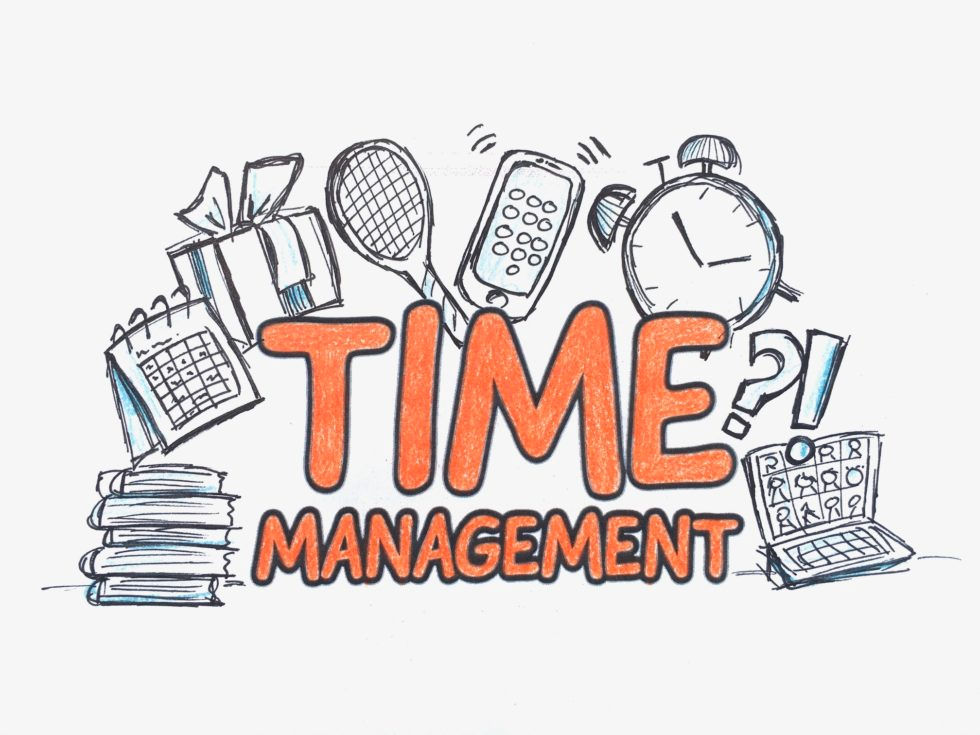
One of my pet peeves is scheduling an appointment, a date with friends or family, or an event at a particular time, then waiting for the JITS (just in-timers) and the IHNCOTs (I have no concept of time) people. I found a quote in my Franklin Planner by Charles Darwin, who once wrote, "A man who dares to waste one hour of life has not discovered the value of life" (Darwin, 1999).
As a college student, I had a project management class. We were divided into groups, and my group chose to delve into Time Management. No matter where we looked, we found that someone had produced yet another book on how to live a more time-managed life. We realized that time is a unique commodity, and that life is too short to waste precious time. In learning Time Management techniques in class, we found that it increased our productivity at home, school, and work. Ultimately, we found it easier to plan time for relaxation and vacations. To manage time wisely, we had to develop some organization. In organizing our lives, we succeeded at successful Time Management. If you have never tried Time Management, you can start small. 'Eat that elephant one bite at a time.' You will be so glad that you did.
Life can be demanding when we try to juggle the increasing demands of work, then rush home to take care of our homes, spouses, and children, manage finances, participate in church and school activities, and hopefully, some self-care. Efficient Time Management allows us to accomplish more in less time, creating a balance between home and work.
I won't add myself to the list of writing another book on Time Management; however, I have some suggestions on the subject gathered from my personal experience and other reliable sources.
Back then, we learned that effective Time Management is simply discipline. You can't see it, feel it or taste it. It is precious but not something you can save because, as I mentioned before, it is a unique commodity. Some people are time wasters, worrying about what they need to do instead of just doing them. Some may be sleeping 10-12 hours and even more per day when 6- 8 hours would be sufficient. Procrastinators delay tasks that could be accomplished until the chores pile up and they become overwhelmed. Then there are those that waste time watching nonsensical TV shows instead of getting up and cleaning their homes or getting some laundry done, then complain that there is never enough time to clean the house or do laundry.
The solution is simple…Time Management. By managing your time wisely, productivity can increase at home, work, and school. Look at where you are today, then envision where you want to be in your daily productivity. Ultimately, there should also be time for relaxation, self-care, and vacations.
Time Management starts with organization. If there is a place for everything, and everything is in its place, time is saved because there is no need to look for anything. Some spend countless hours looking for things buried under that pile on their desk. It's difficult to save time when lives can be so disorganized.
With efficient work and study habits, we can achieve much more and accomplish so much more in less time and with greater accuracy. However, utilizing practical Time Management skills can save those valuable minutes whether you're a student, a stay-at-home mom or dad, or a full-time professional. When daily tasks are on schedule, your mind is clearer, and you are mentally prepared to complete the tasks on your desk. You are more ready for those last-minute surprises that may sneak up on you that you must meet before lunchtime. By taking control of your busy schedule and knowing what you can or can't finish, you can dedicate some of those tasks to others and still meet the required deadlines.
Another benefit of Time Management is increased productivity. It creates a feeling of accomplishment and boosts morale. In addition, there is time to have more quality time with your spouse, which is the foundation of a strong relationship. Furthermore, the icing on that cake is having time to complete those projects that have been put on the back burner that you've been meaning to start.
Because our lives are so busy, we even miss the opportunity to socialize with friends because we always need more time. Managing our time allows us to spend time with special friends.
We all are given 24 hours each day to accomplish more than we do. We can find the time to do things we have yet to find time for before. Re-evaluating how we spend our time, where that time goes, and learning to use it wisely can open many doors of organized opportunities. The only dilemma is how, and where we start.
Set goals. What do you want to accomplish, and when. Write them down, and check them off.
Find a Time Management tool. Use a date book or planner, manually or electronically, so that you can record and plan everything from business to pleasure, keeping it all in one place.
Years ago, I used the Franklin Planner. However, I prefer an electronic mode these days, so I currently use Evernote, along with my google calendar, on my phone and laptop, but I have used Asana in the past. They are both free apps. I'm not recommending either because you'll need to find the tool that works for you.
Organize your home, starting with the pantry, closets, and drawers, then from room to room.
Organize your office, starting with your desk and file cabinets, then continue with the rest.
Delegate some chores to your spouse and your children. This allows you to devote time to tasks only you can handle.
Please don't worry about trying to accomplish it all at once. Start small. Eat that elephant one bite at a time.
Once you become disciplined enough to organize your space in life, you will enjoy the benefits of having less stress through something so simple… Time Management.
Barbara Powell Love, Executive Contributor Brainz Magazine
Barbara Powell Love is currently the Office Manager for a small medical practice. She earned a Bachelor of Science Degree concentrating in Business Development. Barbara is also the owner of Beebe Love's Beauty @www.beebelove.com, a blogging website to promote beauty, motivate, inform, provide mental stimulation, educate, inspire and encourage other women over 50 to embrace their inner beauty and pursue their dreams. Her blog focuses on personal development, leadership, and lifestyle. She encourages women to become Seasoned Beauties instead of becoming Senior Citizens.