

The Power of Emotional Intelligence in Mentoring Minority and Underrepresented Populations
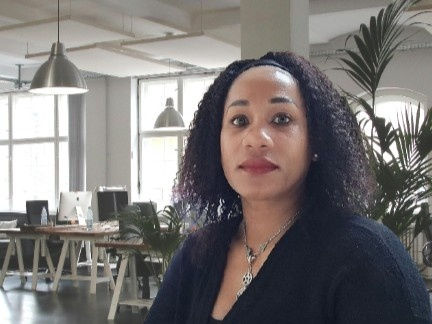
Written by Dr. Kaylarge Eloi, Educator & Founder
Dr. Kaylarge Eloi is an accomplished educator and expert in the fields of leadership, healthcare administration, and forensic psychology. With a rich academic background that includes an Ed.D. with a focus on Organizational Psychology and a Ph.D. in Human Services, Dr. Eloi possesses a unique blend of theoretical knowledge and practical expertise.

In a world striving for equity, diversity, and inclusion, mentorship has emerged as one of the most powerful tools to support the advancement of minority and underrepresented populations. However, not all mentorship is created equal. What separates meaningful, lasting mentorship from transactional, surface-level guidance is emotional intelligence (EI). The ability to understand, empathize with, and respond effectively to the emotions and experiences of others is essential, especially when working with individuals who have historically been marginalized or excluded from mainstream systems of power. Emotional intelligence is not a "soft skill" in this context; it is a critical competency that drives transformational mentoring relationships.
Understanding emotional intelligence in a mentoring context
Emotional intelligence refers to the capacity to be aware of, control, and express one’s emotions, as well as to navigate interpersonal relationships with empathy and good judgment. Daniel Goleman, a pioneer in EI research, breaks it down into five key domains: self-awareness, self-regulation, motivation, empathy, and social skills. These domains are not just relevant in corporate leadership; they are foundational in any relationship that seeks to foster trust, guidance, and support, especially in mentoring relationships with individuals from underrepresented backgrounds. Minority mentees often navigate environments where implicit bias, microaggressions, and structural barriers are common. A mentor with high emotional intelligence is better equipped to validate these experiences, avoid unintentionally dismissive or harmful behavior, and create a psychologically safe space. This level of emotional sensitivity allows for a deeper connection, one that sees the mentee not just as a potential success story but as a whole person with unique cultural, social, and personal realities.
Why mentorship alone isn't enough
There is no doubt that mentoring can be a transformative experience. Research consistently shows that mentees with strong mentor relationships are more likely to experience academic and career success, higher confidence, and greater engagement in their fields. However, traditional mentoring models often fall short for minority and underrepresented mentees. These models frequently emphasize skill-building, resume polishing, and networking, but fail to address the nuanced challenges related to race, identity, marginalization, and psychological safety. This is where emotional intelligence becomes not just helpful, but necessary. A mentor lacking EI may unintentionally perpetuate harm, offer tone-deaf advice, or overlook the real emotional toll of discrimination and exclusion. On the other hand, an emotionally intelligent mentor recognizes that success cannot be nurtured without acknowledging the barriers a mentee may face and that mentorship must include affirmation, empathy, and advocacy.
Building trust through empathy
Empathy is the cornerstone of emotional intelligence. It is also one of the most powerful tools a mentor can possess when working with underrepresented mentees. Trust is not automatically given in mentoring relationships, particularly when there are differences in race, gender, socioeconomic status, or lived experience. For many mentees, especially those who have experienced institutional betrayal or marginalization, trust must be earned over time. Emotionally intelligent mentors build trust by showing up consistently, listening actively, and validating their mentees' perspectives. They don't rush to fix problems or impose solutions. Instead, they seek to understand before being understood. They ask thoughtful questions, express genuine care, and demonstrate cultural humility. Over time, this kind of empathetic engagement allows mentees to be vulnerable, ask difficult questions, and grow without fear of judgment or dismissal.
Addressing bias and power dynamics
Every mentoring relationship exists within a power dynamic. The mentor often holds more social, educational, or professional capital than the mentee. For underrepresented individuals who may already face unequal treatment in educational or workplace systems, this dynamic can be fraught with tension. An emotionally intelligent mentor is aware of this imbalance and intentionally works to minimize its effects.
Crucially, EI involves a deep level of self-awareness. Mentors must confront their own biases, stereotypes, and blind spots. They must be open to feedback and willing to engage in difficult conversations about privilege, systemic inequity, and intersectionality. This level of introspection and humility not only models emotional maturity but also empowers the mentee to speak openly and confidently about their own identity and needs.
Creating a culturally responsive mentoring environment
Culturally responsive mentoring is the practice of acknowledging and integrating a mentee's cultural background, values, and lived experiences into the mentoring relationship. Emotional intelligence supports this process by encouraging curiosity over assumption and by facilitating an adaptive, respectful approach to communication.
For example, a mentor working with a first-generation college student may need to understand the cultural and financial pressures that influence that student’s decisions. A mentor supporting a Black woman in a predominantly white STEM program must recognize the additional emotional labor required to succeed in such a space. By applying emotional intelligence, mentors can respond appropriately, not with pity, but with solidarity, encouragement, and strategic support.
Emotional intelligence drives long-term impact
Emotional intelligence in mentoring does more than support individual relationships; it contributes to long-term equity and inclusion in organizations and institutions. When mentors are trained and encouraged to lead with emotional intelligence, they are more likely to help underrepresented mentees persist in their fields, grow into leadership roles, and advocate for others. This ripple effect cannot be underestimated.
Furthermore, mentees who experience emotionally intelligent mentorship often go on to become empathetic mentors themselves. They replicate the care and understanding they received, creating a multiplying effect within their communities and professions. Over time, this builds a culture where inclusion is not performative; it is deeply embedded in how people support, develop, and uplift one another.
Institutional responsibility: Promoting emotionally intelligent mentoring
While individual mentors must cultivate emotional intelligence, institutions have a responsibility to foster environments where emotionally intelligent mentoring is the norm, not the exception. This means investing in mentor training that includes emotional intelligence, cultural competence, and anti-bias education. It also means creating accountability structures that reward relational mentoring, not just transactional or output-driven mentoring.
Universities, nonprofits, corporations, and healthcare systems should implement mentorship programs that prioritize emotional intelligence as a core competency. They must also collect and respond to feedback from mentees, particularly from underrepresented groups, to ensure their needs are being met with dignity and care.
Emotional intelligence as an equity imperative
In mentoring minority and underrepresented populations, emotional intelligence is not a “nice to have”; it is a necessity. Without it, mentorship risks becoming hollow, disconnected, or even harmful. But with it, mentorship becomes a transformative force for justice, empowerment, and long-term success. Emotionally intelligent mentors don’t just help mentees navigate a path; they help pave new ones. They don’t just listen; they advocate. They don’t just acknowledge differences; they honor them. In a world that too often marginalizes certain voices, emotionally intelligent mentoring provides the empathy, trust, and support needed to amplify those voices and help them lead.
If we are serious about equity and inclusion, we must invest in the emotional intelligence of our mentors. Only then can we build mentorship programs and futures that are truly inclusive, empowering, and just.
Read more from Dr. Kaylarge Eloi
Dr. Kaylarge Eloi, Educator & Founder
Dr. Eloi is not only an educator but also a prolific researcher and author. Her publications delve into critical topics surrounding cultural competence within healthcare and criminal justice settings. She has contributed to the understanding of how Pacific Islanders perceive the cultural competence of Western healthcare providers, as well as exploring the views of released offenders regarding hiring managers' cultural sensitivity. Her seminal work, "Creating an Organizational Culture that Supports Offender Rehabilitation Towards Maintaining Gainful Employment for Returning Citizens," highlights her commitment to fostering inclusive environments that promote rehabilitation and reintegration into society.



