

The Hidden Half of the Garden and What’s Happening Underground Right Now
Connie Eaton leads Rooted In Sunshine, blending design and wellness to craft gardens and green spaces that restore, inspire, and nurture both people and the environment.

When most people walk through a garden, they notice blooms, foliage, color, texture, and height. We admire flowers opening to the sun, trees stretching skyward, and butterflies visiting our favorite plants. Yet beneath every thriving landscape lies an unseen world that determines whether those plants will merely survive or truly flourish.
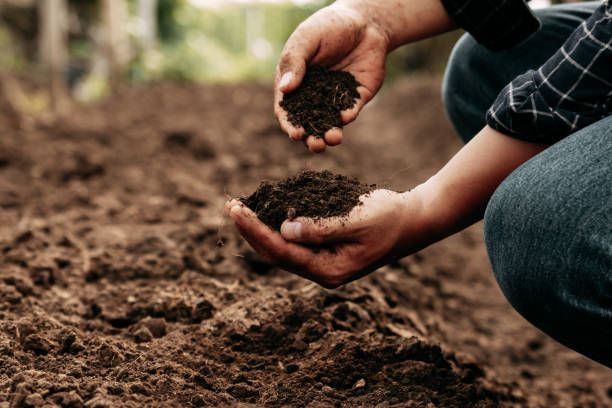
The most important work in your garden may be happening where you cannot see it.
As temperatures moderate and seasonal rains return across much of Texas and the southern United States, an incredible transformation begins underground. Roots expand, soil organisms become active, and plants shift energy into building the foundation that will support their future growth.
Understanding what happens below the surface can completely change how we approach planting, watering, and maintaining our landscapes.
The underground growth season
Many gardeners assume plants stop growing when they are not actively flowering. In reality, plants often prioritize root development long before they produce visible growth above ground.
When environmental conditions become favorable, roots begin exploring new areas of soil in search of water, oxygen, and nutrients. While leaves and stems may appear unchanged, a tremendous amount of energy is being invested beneath the surface.
This is particularly true for native plants. Unlike many ornamental species bred primarily for visual appeal, native plants evolved over thousands of years to withstand drought, flooding, heat, and seasonal fluctuations. Their survival strategy relies heavily on extensive root systems.
As temperatures moderate and seasonal rains return, an incredible transformation begins underground. Seasonal rainfall does more than hydrate plants, it reactivates entire communities of beneficial soil microorganisms. Bacteria and fungi increase their biological activity when adequate moisture is present, accelerating nutrient cycling and organic matter decomposition. Among the most valuable of these organisms are mycorrhizal fungi, which form symbiotic relationships with plant roots. Through microscopic fungal networks, mycorrhizae can expand a plant’s effective root system many times beyond its physical roots, improving nutrient uptake, drought tolerance, and long-term soil health.
Some native grasses can develop roots extending 8 to 15 feet into the soil. Native wildflowers and perennials often create deep, branching root networks that allow them to access water reserves unavailable to shallow-rooted plants.
This underground architecture is one of the reasons native landscapes often become more resilient with each passing year.
Why native plant roots matter
A mature native plant may have more biomass below ground than above it.
Those roots perform several critical functions, including stabilizing soil and reducing erosion, increasing drought tolerance, improving water infiltration, supporting beneficial fungi and microorganisms, storing energy for future growth, and building long term soil structure.
As roots grow, die back, and regenerate, they create natural channels throughout the soil profile. These pathways improve airflow, water movement, and biological activity.
Over time, native plant communities become living soil builders. This process is one of nature’s most effective methods of restoring degraded landscapes without synthetic inputs.
The role of drainage, the difference between success and struggle
One of the most overlooked factors in landscape health is drainage. Roots need water, but they also need oxygen.
Healthy soil contains a balance of water-filled and air-filled spaces. When drainage is poor, those air pockets become saturated, limiting oxygen availability and creating stressful conditions for roots.
The symptoms often appear above ground, including yellowing leaves, stunted growth, wilting despite wet soil, increased disease pressure, root rot, and plant decline.
Ironically, many homeowners interpret these symptoms as a need for more water, further worsening the problem.
Conversely, soils that drain too quickly may not retain enough moisture for newly installed plants to establish effectively. The goal is not simply fast drainage or slow drainage. The goal is balanced drainage.
Healthy soil functions like a sponge, absorbing rainfall while allowing excess water to move through the profile without creating prolonged saturation.
Why this is one of the best times to plant
Many gardeners wait until spring, when plants are actively blooming. While spring certainly offers advantages, planting during periods of moderate temperatures often provides significant benefits.
When soil remains workable and temperatures are not extreme, plants can focus on establishing roots before facing the demands of summer heat.
Instead of directing energy toward flowers or foliage, newly installed plants can invest in the structures that will support long-term success.
Think of it as building the foundation before constructing the house. By the time hot weather arrives, plants that have spent months expanding their root systems are better prepared to withstand drought stress and temperature fluctuations.
In many cases, these plants require less supplemental irrigation and experience fewer transplant-related setbacks.
The advantage of soft soil
Another reason this season is ideal for planting is the soil condition. Natural rainfall and cooler temperatures often create softer, more workable soils.
Compacted soil can act as a physical barrier to root expansion. When soil loosens naturally through moisture and biological activity, roots encounter less resistance as they move through the ground.
This allows plants to establish more quickly and efficiently. Soft soil also improves contact between roots and surrounding soil particles, helping newly installed plants access moisture and nutrients sooner.
For landscape professionals, gardeners, and homeowners alike, these conditions create an excellent opportunity to plant trees, shrubs, perennials, and native species.
The soil food web is waking up
Roots are not working alone. Below every healthy garden exists a complex ecosystem of bacteria, fungi, earthworms, insects, and microorganisms that interact with plants in remarkable ways.
Plant roots release sugars into the soil known as root exudates. These compounds feed beneficial microbes, which in turn help make nutrients available to the plant.
This underground exchange has been occurring for millions of years. When soils remain undisturbed and rich in organic matter, these biological relationships strengthen over time.
The result is healthier plants, improved soil structure, increased nutrient cycling, and greater resilience during environmental stress.
Research suggests that a single teaspoon of healthy soil can contain billions of microorganisms and miles of fungal hyphae, forming complex underground networks that help plants communicate, share resources, and respond to environmental stressors.
But what exactly is healthy soil? Healthy soil is rich in organic matter, contains a balance of sand, silt, and clay particles, drains effectively while retaining moisture, and supports abundant biological life. Unfortunately, many newly developed residential properties are left with heavily compacted builder-grade soils that may consist primarily of dense orange clay, excessive construction fill, or layers of coarse sand.
These conditions often restrict root growth, limit oxygen availability, reduce microbial activity, and create drainage challenges. In many landscape installations, improving or replacing the top 8 to 12 inches of soil with high-quality organic soil and compost can dramatically improve root establishment, water infiltration, and long-term plant health. Simply put, the quality of the soil beneath your plants often determines the success of everything growing above it.
In many ways, gardening is less about growing plants and more about cultivating healthy soil ecosystems.
Looking beyond the surface
The next time you admire a thriving garden, remember that much of its success is hidden from view. Beneath every flower, shrub, and tree lies a network of roots, microorganisms, fungi, and beneficial soil life quietly building strength, resilience, and stability. While blooms may capture our attention, roots determine a plant’s future.
By understanding drainage, improving soil health, and planting during favorable conditions, we can work with nature rather than against it. The most beautiful gardens are not simply grown from the top down, they are built from the ground up.
If you are interested in learning how to nourish your soil, improve drainage, increase biological activity, or reinvigorate the health of your existing in-ground plants, Rooted In Sunshine offers consultations designed to help homeowners create healthier, more resilient landscapes using organic methods and sustainable design principles.
Thank you for taking the time to read this article. We hope it encourages you to look beneath the surface and appreciate the remarkable world that exists underground.
For additional information on soil health, native plant landscaping, organic gardening practices, or any of our organic landscape and botanic design services, please visit our website here.
Read more from Connie Eaton
Connie Eaton, Founder & COO of Rooted in Sunshine
Connie Eaton holds a degree in Psychology from the University of Houston and brings a wellness-focused perspective to the world of landscape design. Through Rooted In Sunshine, she specializes in organic gardens, pollinator habitats, and purposeful green spaces that support both human well-being and environmental health. Her work centers on the belief that thoughtfully designed outdoor environments can restore balance, encourage mindfulness, and create lasting impact for families and communities.



