The Practice of Returning and Why Yoga and Meditation Are More Than Wellness
Updated: Jul 31
Michelle Wagman is a Meditation guide, yoga instructor, and wellness entrepreneur devoted to mindful living, nervous system balance, and inner transformation. Through Wellness + Ageless Beauty, she shares practices that help people return to calm, clarity, and inner radiance.

In a world that keeps asking us to move faster, yoga and meditation invite us to return. Return to the breath. Return to the body. Return to the quiet place within that is not always loud, but is always present.
Modern life can make disconnection feel normal. We move quickly from one responsibility to another, often without noticing how much tension we are carrying. We answer messages while eating, think about tomorrow while trying to rest, and continue pushing even when the body is asking us to pause. Over time, it can become difficult to recognize what we are feeling because we have become so accustomed to moving past ourselves.
Yoga and meditation offer a different rhythm. They create space between the demands of the outside world and our internal response to them. In that space, we can begin to notice what is happening beneath the surface. We may become aware of a tight jaw, shallow breathing, a restless mind, or emotions we have not given ourselves permission to feel.
This awareness is not a failure of the practice. It is often where the practice truly begins.
For me, yoga and meditation are not trends. They are practices of remembering. They are ways we come back to ourselves when life pulls us outward, when the nervous system feels overwhelmed, or when the body is asking for deeper listening.
Remembering does not mean becoming someone new. It means reconnecting with what has always been present beneath the noise. The breath has always been there. The body has always been communicating. The inner voice has always been offering information, even when we have been too busy, tired, or distracted to hear it.
Through consistent practice, we may begin to recognize our patterns more clearly. We notice when we are holding our breath during stress. We become aware of how quickly we react when we feel pressured. We learn which situations leave us feeling open and which ones cause us to withdraw. This understanding can help us respond to life with more intention rather than automatically repeating familiar reactions.
Yoga teaches us through the body. Meditation teaches us through stillness. Together, they create a doorway into presence.
The body often reveals what the mind is trying to avoid. A posture can show us where we resist, where we rush, and where we try to control the outcome. Meditation can show us how quickly the mind moves toward judgment, distraction, planning, or worry.
Neither practice asks us to eliminate these experiences. Instead, they invite us to observe them with curiosity. We learn to stay present without immediately trying to fix everything. We begin to understand that discomfort can be acknowledged without becoming the whole story.
The practice does not have to be complicated. Sometimes it begins with one conscious breath. Sometimes it begins by placing your feet on the ground. Sometimes it begins by noticing where you are holding tension and choosing, gently, to soften.
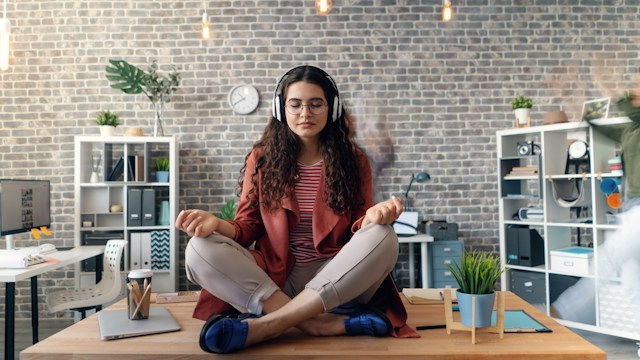
Many people believe they need a perfect environment, a long class, special clothing, or complete silence before they can begin. But yoga and meditation can become part of ordinary life. A few slow breaths before opening an email can be a practice. Feeling your feet on the floor during a difficult conversation can be a practice. Stretching gently after waking or sitting quietly before going to sleep can be a practice.
The value is not always found in the length of time. It is found in the quality of attention we bring to the moment.
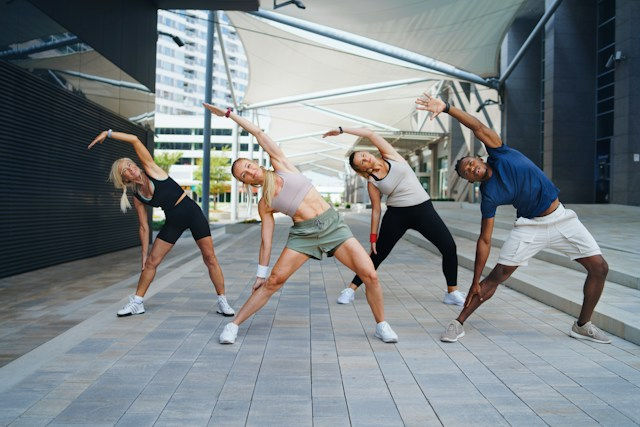
This is the heart of mindful movement: not forcing the body, but listening to it. Not performing peace, but practicing presence.
Listening to the body means respecting its signals. Some days, the body may feel strong and ready to move. On other days, it may need rest, slower movement, or a different kind of support. Mindful practice allows room for both.
This can be especially important in a culture that often praises pushing through discomfort. While effort has its place, constantly ignoring the body's messages can create greater disconnection. Yoga becomes more meaningful when the goal is not to conquer the body, but to develop a more compassionate relationship with it.
When I guide yoga or meditation, I am not interested in perfection. I am interested in helping people feel supported, grounded, and connected to themselves. The real practice is not how deep the pose looks or how long the meditation lasts. The real practice is the willingness to return.
Returning may happen many times during a single practice. The mind wanders, and we return to the breath. The body becomes tense, and we return to awareness. We begin comparing ourselves to someone else, and we return to our own experience.
This repeated return builds something valuable. It teaches us that losing focus does not mean we have failed. It simply gives us another opportunity to come back. The same principle can support us outside of yoga and meditation. We can return after a stressful day, a difficult season, an emotional reaction, or a period of neglecting ourselves.
We do not have to wait until we feel completely calm or fully prepared. We can return from wherever we are.
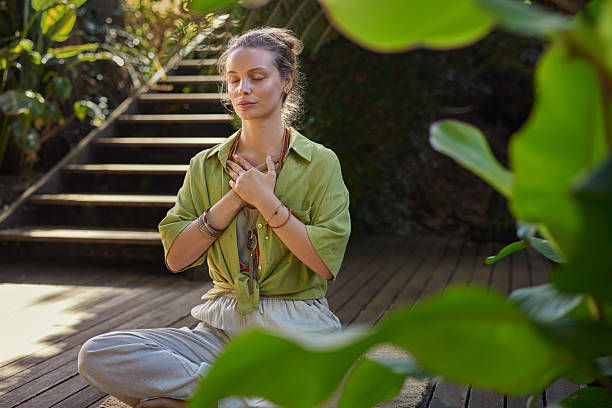
Pause. Place one hand on your heart. Take one slow breath in. Let the exhale be longer than the inhale. Feel your feet. Ask yourself, "What part of me is asking to be heard today?" That moment is practice.
The answer may not arrive immediately. Sometimes the question itself is enough. It creates a moment of honesty and gives the body permission to communicate.
Perhaps the part asking to be heard is tired. Perhaps it is grieving, hopeful, frustrated, or ready for change. Whatever arises does not need to be judged. The intention is simply to notice. When we begin listening without immediately dismissing what we find, we strengthen our relationship with ourselves.
Wellness becomes more meaningful when it is rooted in presence. Ageless beauty, to me, begins here too, not in chasing youth, but in living with more awareness, softness, strength, and inner steadiness.
There is a different kind of beauty that emerges when a person feels at home within themselves. It can be seen in the way they breathe, move, listen, and respond. It is not dependent on appearing younger or meeting an external standard. It comes from being deeply connected to one's own life.
This does not mean we will always feel peaceful. Presence does not remove every difficulty. It gives us a steadier place from which to meet what is happening. We may still experience stress, uncertainty, sadness, or change, but we can learn to stay connected to ourselves while moving through them.
Yoga and meditation remind us that we do not have to leave ourselves to heal. We can begin by returning.
Returning is not something we do only once. It is a lifelong practice. Each day offers another opportunity to pause, breathe, listen, and begin again.
The invitation is not to create a perfect routine. It is to create a relationship with yourself that you can return to. Begin with the breath you are taking now. Notice the body that is carrying you through this moment. Give yourself permission to slow down long enough to hear what is present.
You do not need to force an answer or become a different person before the practice can support you. You only need a willingness to meet yourself where you are.
That willingness is where presence begins. It is where mindful movement becomes more than exercise, where stillness becomes more than silence, and where wellness becomes a way of living.
Again and again, yoga and meditation bring us back to the same simple truth: what we are searching for may not always be somewhere outside of us. Sometimes, it is waiting quietly within, asking us to return.
Read more from Michelle Wagman
Michelle Wagman, Meditation Guide & Wellness Entrepreneur
Michelle Wagman is a Meditation guide, yoga instructor, and wellness entrepreneur dedicated to helping others reconnect with inner peace, balance, and self-awareness. Through Wellness + Ageless Beauty, she offers mindful practices, spiritual guidance, and community gatherings that support nervous system balance, conscious living, and inner radiance.