

Why One Diet Doesn't Work for Everyone
Written by Alja Mauric, Guest Writer
In naturopathy, every person is unique. Understanding body constitution helps identify the body's strengths, potential weaknesses, and the lifestyle choices that can best support long-term wellbeing. Many people believe there is one perfect diet for everyone. In naturopathy, we see things differently. We recognize five different body constitutions, and each one has its own predispositions and areas that may require extra support.

During a naturopathic assessment, we observe the iris, the tongue, and the skin to better understand your individual constitution and overall balance. Based on these findings, we provide personalized recommendations for nutrition, lifestyle, and, when appropriate, dietary supplements that best suit your body's needs.
The goal is not simply to treat symptoms but to support the body before imbalance develops. When you eat and live according to your constitution, you can help improve your vitality, digestion, energy levels, and overall wellbeing.
Because true health begins with understanding your unique body, not following someone else's lifestyle.
One lifestyle does not fit everyone: Why your body constitution matters
What if the reason a diet works wonderfully for one person but not for another is not a lack of discipline, motivation, or willpower? In naturopathy, we look at the individual as a whole. Your body constitution, lifestyle, daily habits, digestion, energy levels, and individual weaknesses can all influence which foods and routines are most suitable for you.
Rather than following the latest universal diet trend, naturopathy asks a different question: what does your individual body need?
Why does body constitution matter in naturopathy?
Many people approach nutrition with the idea that there is one perfect way of eating. One person recommends a high-protein diet, another avoids all animal products, while someone else feels best eating mostly carbohydrates, and another one recommends a blood type diet. All of them may sincerely believe that their approach is the best.
But the human body is not identical from person to person.
In naturopathy, we recognise five main body constitutions. Each constitution has its own characteristics, strengths, and areas where the body may be more sensitive or require additional support. This is why the same diet, exercise programme, or supplement may have very different effects on different people.
Understanding your constitution can therefore provide a more individual perspective on nutrition and lifestyle. Instead of asking, “What is the healthiest diet in general?”, we can ask: “What type of nutrition and lifestyle is most suitable for my body?”
This individual approach is one of the reasons naturopathy places such importance on observation and personalised recommendations.
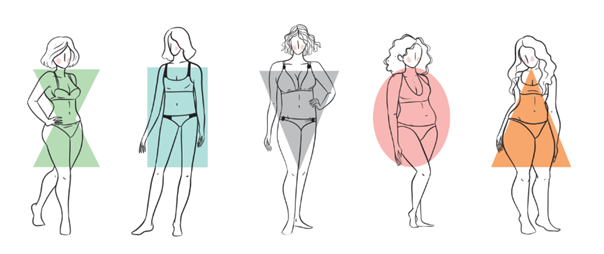
The five body constitutions and their individual needs
The five constitutions traditionally considered in this naturopathic approach are the kidney, heart, liver, lung, and spleen types. Each has different characteristics and may have different nutritional and lifestyle needs.
These constitutions should not be viewed as rigid labels. In real life, people may display characteristics of more than one constitution.
1. The kidney constitution: supporting warmth, energy and strength
People with a kidney constitution are often naturally slim, with long and thin limbs. They may eat a great deal without gaining weight easily, but they can find it difficult to build muscle mass.
They may also tend to feel cold and have lower energy reserves. From a naturopathic perspective, their lifestyle should therefore focus on preserving energy rather than constantly using it up.
For this constitution, overly intense cardio exercise may not always be the most suitable choice. Calmer activities such as yoga, pilates, meditation, strength training, or other forms of movement that support relaxation may be more appropriate.
Nutrition can also be adapted to support warmth and energy. Foods traditionally associated with warmth and nourishment, such as beans, sesame seeds, chestnuts, cod, olives, dark grapes, may be included according to the individual's overall needs and tolerance.
This constitution may also require particular attention to minerals and nutrients associated with bones and overall vitality. In naturopathic practice, personalised recommendations may include specific tissue salts or other nutritional supplements.
The key message for this constitution is simple: do not constantly spend energy that your body is trying to conserve.
2. The heart constitution: supporting circulation and balanced activity
The heart constitution is often associated with a naturally stronger build, heavier bones, and a tendency to gain weight more easily. These individuals may eat relatively little but still find weight loss challenging.
For them, regular and moderate physical activity can be particularly important. However, more intense exercise is not necessarily always better. A sustainable level of exercise that allows the body to work without excessive exhaustion may be more appropriate.
From a naturopathic perspective, nutrition may focus on reducing foods that are considered too heavy for the individual and increasing the intake of quality protein sources such as legumes, fish, and white meat, depending on the person's needs. This constitution is also generally advised to limit bread. The best foods for this constitution are red foods like beetroot, tomato (in summer), and berries.
Lifestyle is equally important. People with this constitution may benefit from regular movement, consistency, and a balanced approach rather than extreme diets or excessive exercise.
The goal is not to force the body into an unrealistic shape. Different constitutions naturally have different body structures. The goal is to support the healthiest and most balanced version of your own body.
3. The liver constitution: balancing drive, activity and recovery
People with a liver constitution are often naturally athletic and may develop muscle relatively easily. They are frequently energetic, ambitious, active, and driven.
However, their strength can also become their weakness.
These individuals may have a tendency to overdo things. Even after a long day at work, they may still feel the need to exercise intensely. They can find it difficult to slow down, rest, or simply do nothing.
For this reason, recovery is particularly important.
Exercise can be highly beneficial, but it should be balanced with adequate rest and proper nutrition. A combination of cardiovascular exercise and strength training may be appropriate, depending on the individual's overall condition.
In naturopathic nutrition, foods that may place additional strain on the individual are carefully evaluated. Coffee, chocolate, cocoa, rich and fatty foods, and certain dairy products are not recommended. Recommended foods for this constitution are green and bitter foods like artichokes, dandelion, arugula, celery juice, lemon, and grapefruit juice.
The liver constitution may also benefit from attention to nutrients such as magnesium and B vitamins, particularly when the individual experiences high levels of stress or has a very active lifestyle.
The most important lesson for this constitution is often: more is not always better. Sometimes recovery is the missing part of the lifestyle.
4. The lung constitution: supporting the upper body and respiratory balance
The lung constitution is often characterised by a more pronounced upper body and chest area. From a lifestyle perspective, attention may be given to strengthening the upper body and supporting flexibility and mobility.
People with this constitution may also be particularly sensitive to what naturopathy describes as an excess of “moisture”. In the naturopathic understanding of nutrition, certain foods, including excessive amounts of dairy products and white flour products, may contribute to this imbalance in susceptible individuals. This constitution should eat more warming and spicy foods such as ginger, radish and horseradish.
The environment can also be important. Indoor air quality, humidity, and the conditions in which we sleep and spend much of our day can influence our overall comfort and wellbeing.
Exercise may be particularly beneficial earlier in the day, when many people naturally feel more alert and active. As with every constitution, the exact approach should be adapted to the individual.
The key principle for this constitution is to support both movement and openness – physically, through exercise and mobility, and environmentally, through attention to the air and surroundings.
5. The spleen constitution: supporting digestion and balance
The fifth constitution is the spleen type. In naturopathic practice, this constitution is often considered in relation to digestion, blood sugar balance, food cravings, and the way the body responds to certain foods.
People with this constitution may benefit from regular meal patterns, appropriate food combinations, and careful attention to excessive consumption of refined sugar and highly processed foods.
A balanced diet based on fresh, nourishing foods can be particularly important. Vegetables, suitable sources of protein, and foods such as millet, pineapple, and broccoli are individually well tolerated and all have a place in the diet.
The most important point, however, is that even within the same constitution, people are different. A person may have a particular constitution but also individual food sensitivities, lifestyle habits, stress levels, and digestive challenges that need to be considered.
This is why naturopathic nutrition is not simply about giving everyone the same meal plan.
Why the same food can affect people differently
Have you ever wondered why one person can eat a particular food every day without any apparent problem, while another feels bloated, tired, or uncomfortable after eating it?
There may be many possible reasons. Individual digestion, food intolerance, lifestyle, stress, constitution, sleep, and overall health can all play a role.
This is why simply copying another person's diet may not produce the same results for you.
Even a food that is generally considered “healthy” may not be suitable for every individual, every day, or in every quantity. In naturopathy, the quality of the food is important, but so is the question of whether it is appropriate for the person eating it.
A personalised approach can therefore be much more useful than constantly jumping from one popular diet to another.

How can naturopathy assess your individual needs?
One of the most interesting aspects of naturopathy is the way the individual is observed as a whole.
During a naturopathic assessment, different signs and characteristics may be considered, including the iris of the eye, the tongue, specific points on the body, skin, skin spots, and other visible signs.
The purpose is to create a more complete picture of the individual.
The iris, tongue, and body points are considered within the naturopathic framework as sources of information about constitutional tendencies and areas that may require additional support. This information is then combined with the person's lifestyle, eating habits, symptoms, energy levels, and personal experience.
Based on this individual assessment, naturopathic recommendations may include:
a personalised naturopathic nutrition plan;
foods that may support the individual's constitution;
foods that may be better limited or avoided;
advice on meal timing and food combinations;
lifestyle recommendations;
suggestions for appropriate dietary supplements;
tissue salts or other naturopathic preparations;
recommendations for rest, movement, and daily routines.
The important principle is that recommendations should be individualised.
Nutrition is only one part of a healthy lifestyle
Although food is important, a healthy lifestyle is not created by nutrition alone.
Sleep, movement, stress, emotions, daily routines, and the ability to recover are equally important. A person may eat a very carefully selected diet but still feel unwell if they constantly sleep too little, remain under chronic stress, or never allow their body to rest.
In naturopathic practice, even the timing of meals can be considered. The naturopathic approach may also draw on traditional concepts such as eating in accordance with the body's daily rhythms and supporting different functions at different times of the day.
For example, the first meal of the day may be viewed differently from the evening meal. The type, quantity, and timing of food can all be adapted to the individual's needs.
This is one of the reasons why naturopathy looks beyond the question of “What should I eat?” and also asks:
“When should I eat?”
“How does this food affect me?”
“What does my body need more of?”
“What might be weakening me?”
My perspective: stop searching for the perfect diet
One of the biggest mistakes people make is constantly searching for the perfect diet.
They try one diet, then another. They follow advice from social media, eliminate entire food groups, start taking numerous supplements, and eventually become confused about what they should actually eat.
My perspective is that there is no single diet that is perfect for everyone.
The most useful approach is to learn to understand your own body.
Your constitution can provide important clues. Your digestion can provide additional information. Your energy, cravings, sleep, body signs, and individual reactions to food can all contribute to a more complete picture.
Instead of asking, “What is the latest diet trend?”, it may be more helpful to ask: "What does my body actually need?"
A personalised approach can be more sustainable
The best lifestyle is not necessarily the most extreme one. It is the one you can maintain.
A personalised naturopathic approach can help you understand why certain foods, exercise routines, or supplements may be more suitable for you than others. It can also help you recognise that your needs may change over time.
Your body is not a machine that requires the same fuel in exactly the same way every day.
Your age, stress levels, physical activity, sleep, season, digestion, and overall wellbeing can all influence what your body needs.
The purpose of naturopathic nutrition is therefore not to create fear around food or to impose unnecessary restrictions. It is to develop a deeper understanding of your individual needs and to support your body through appropriate nutrition and lifestyle choices.
What can you learn from your body constitution?
Understanding your body constitution can help you become more aware of your individual tendencies.
You may begin to understand why you are always cold, why you struggle to gain weight, why you gain weight despite eating relatively little, why you are constantly active but unable to relax, or why certain foods repeatedly cause discomfort.
This knowledge can be a useful starting point for making more conscious choices.
Instead of forcing yourself to follow someone else's routine, you can begin to create a lifestyle that is better adapted to you.
And that is perhaps one of the most valuable principles of naturopathy:
There is no universal lifestyle. There is only the lifestyle that is right for you.
Ready to discover what your body needs?
If you would like to understand your individual constitution and receive more personalised naturopathic guidance, a naturopathic consultation can be a useful first step.
During an individual assessment, the focus is on you as a whole person. Based on the naturopathic assessment and your individual needs, recommendations can be made regarding nutrition, lifestyle, and appropriate nutritional support. The goal is not to follow another temporary diet. The goal is to understand your body better and create a lifestyle that supports your individual balance.
Your body has its own language. The first step is learning how to listen to it.
Please note: naturopathic approaches are complementary and do not replace medical diagnosis or treatment. Individual responses may vary. If you have a diagnosed medical condition or are undergoing medical treatment, consult your qualified healthcare professional.
Alja Mauric, Guest Writer
Alja Mauric, a graduate naturopath, certified auriculotherapy practitioner, certified nutrition consultant, group exercise instructor, and Access Bars therapy practitioner and owner of the BodiBALANS naturopathic studio. In April 2026, I published a book called 'With a Touch of the Ear to Body Balance,' which contains 69 auriculotherapy protocols and naturopathic solutions.







