Boundaries Unlock Healthier Relationships And Inner Peace
Written by Ana Salido, Life Coach & Mentor
Ana is a passionate and dedicated mentor and life coach, and she advocated for women's empowerment. With over 8 years of experience in the field, she has helped countless women reconnect with themselves, achieve their goals, and cultivate fulfilling relationships.

In a world where everyone demands a piece of you, your time, energy, and emotional labor boundaries are the invisible lines that protect your peace and help define who you are.
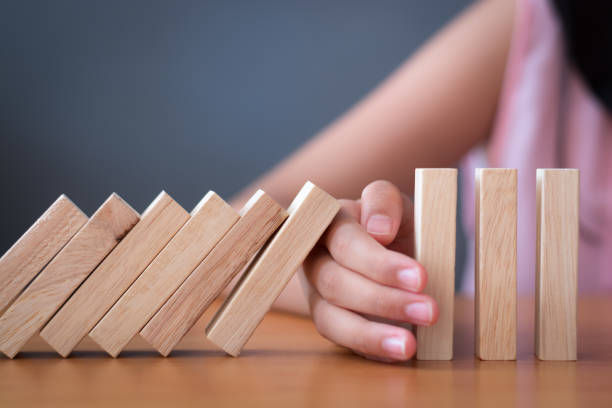
Yet, for many of us, setting boundaries feels uncomfortable or even selfish.
It’s time to change the narrative.
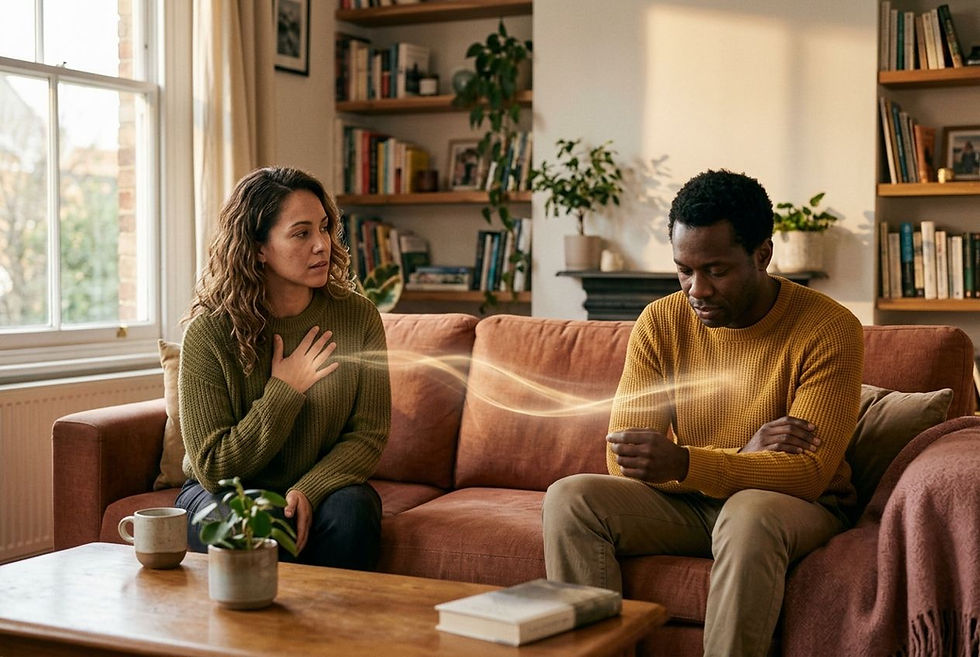
Boundaries aren’t walls to shut people out; they’re bridges to healthier, more respectful relationships. But here’s the catch: they can shift the dynamic in ways that feel unsettling—both for you and the people around you. And that’s okay.
Why boundaries matter
Boundaries are a form of self-care.
They help you conserve your energy, define your identity, and ensure you’re not pouring from an empty cup.
According to Dr. Dana Gionta, a psychologist and co-author of From Stressed to Centered, “Boundaries are the framework for how we allow others to treat us and how we treat ourselves.” Without them, we risk emotional burnout and resentment.
For women especially, the challenge often lies in the societal expectation to be nurturing and accommodating at all costs. “We’re conditioned to put everyone else first,” says Dr. Harriet Lerner in The Dance of Anger. But constantly prioritising others over ourselves leaves us drained and disconnected from our needs.
How boundaries shift relationships
When you set a boundary, the dynamics in your relationships will inevitably change. Some people will respect and adapt, appreciating the clarity and honesty you bring.
Others may resist or even lash out. And that resistance often reveals the unhealthy dynamics you’re working to change.
Take my own experience: during family gatherings, an uncle of mine often made inappropriate comments about my life. For years, I stayed silent to “keep the peace,” until one day, I calmly said, “I’d prefer not to discuss this.” The reaction was immediate and awkward—he hasn’t spoken to me since. But instead of feeling regret, I felt relief. His absence didn’t represent a loss; it represented a healthier, more peaceful me.
This is a common experience. Boundaries don’t end relationships—they clarify them. And the right people will stay, while the wrong ones will drift away.
How to start setting boundaries
Identify your limits: Reflect on situations where you feel drained or uncomfortable. What values are being compromised? These are areas where boundaries are needed.
Communicate clearly: Use simple, calm language to express your needs. For example, “I need more notice before making plans,” or “I’m not comfortable with that topic of discussion.”
Stick to your boundary: Boundaries are meaningless if you don’t enforce them. It’s okay to repeat your boundary when someone tries to cross it—and it’s okay to walk away if they refuse to respect it.
Prepare for pushback: Resistance is normal. People who benefited from your lack of boundaries may guilt you or push back. Stay firm—it’s a sign you’re doing something right.
Boundaries are for the greater good
Ultimately, setting boundaries isn’t just about protecting yourself—it’s about fostering healthier, more authentic relationships. Boundaries allow you to show up as your best self, and they encourage others to do the same.
As Dr. Brené Brown emphasises, “Daring to set boundaries is about having the courage to love ourselves, even when we risk disappointing others.” The people who value and respect you will rise to meet your boundaries. And those who don’t? They were never truly invested in a respectful, healthy connection.
Take action: A 5-day mini challenge
If you’re ready to start setting boundaries, I invite you to join my 5-Day Mini Challenge. Each day, you’ll take simple, actionable steps to reclaim your energy and prioritise yourself. It’s time to stop saying “yes” to everything and start saying “yes” to You.
Sign up today and make boundaries your new superpower.
Read more from Ana Salido
Ana Salido, Life Coach & Mentor
Ana is a passionate and dedicated mentor and life coach, and she advocated for women's empowerment. With over 8 years of experience in the field, she has helped countless women reconnect with themselves, achieve their goals, and cultivate fulfilling relationships.
Driven by her journey of self-discovery and personal growth, Ana is deeply committed to guiding women on their path to self-love, authenticity and empowerment.
Known for her warmth, compassion and unwavering support, Ana creates a safe and nurturing space for women to explore their innermost desires, confront their fears and step into their full potential.
Sources:
Gionta, D., & Ascough, D. (2012). From Stressed to Centered.
Lerner, H. (1985). The Dance of Anger.
Brown, B. (2012). Daring Greatly.