The Power of Retreat – Why Stepping Away Helps Us Step Into Ourselves
Carmela is an internationally recognised yoga educator and movement specialist with over 25 years of experience. She is the founder of Yoga Rhyth’OM and leads teacher trainings, retreats, and wellness programs that blend traditional wisdom with modern science.

In today's fast-paced world, taking a step back is often viewed as a luxury, but retreats offer far more than just a break from the grind. This article delves into the powerful benefits of retreating from the everyday hustle, highlighting how intentional pauses can lead to profound personal transformation, deeper self-awareness, and a healthier mind-body connection. Whether you're seeking clarity, healing, or inspiration, retreats provide the space needed to reconnect with what truly matters.

"Sometimes the most important journey is the one that takes you nowhere, except back to yourself."
In a world that celebrates hustle, staying "on" 24/7 has become the norm. The relentless pace of modern life often disconnects us from what truly nourishes us, our breath, our body, and our inner knowing. It’s no wonder that more people than ever are seeking out retreats, spaces designed not just for rest and reset, but for reconnection.
But what does it really mean to retreat?
The word “retreat” is often associated with withdrawal. But rather than running away, I see it as returning to self, to silence, to the wisdom that lives underneath the noise. A retreat is a sacred pause. It’s stepping out of the rhythm of daily life and into a slower, more intentional space where clarity, healing, and inspiration can rise.
This is not a new concept. Across cultures and history, people have stepped away from the familiar to connect more deeply with themselves or the divine. Monks retreated to monasteries for contemplation. Yogis sought solitude in mountain caves. Indigenous traditions embraced vision quests in nature. Each practice recognized the profound transformation that happens when we remove ourselves from distraction and enter spaces of intentional stillness.
My own journey with retreats
I’ve been holding yoga retreats for 14 years now. My very first one was in Bali, and I remember being nervous beyond belief. I over-planned. I over-prepared. I poured every ounce of my energy into creating something meaningful. I felt the weight of responsibility; these beautiful students had entrusted me with their time, their energy, and, in many ways, their transformation.
And you know what? Despite the nerves and the stumbles, it was magic.
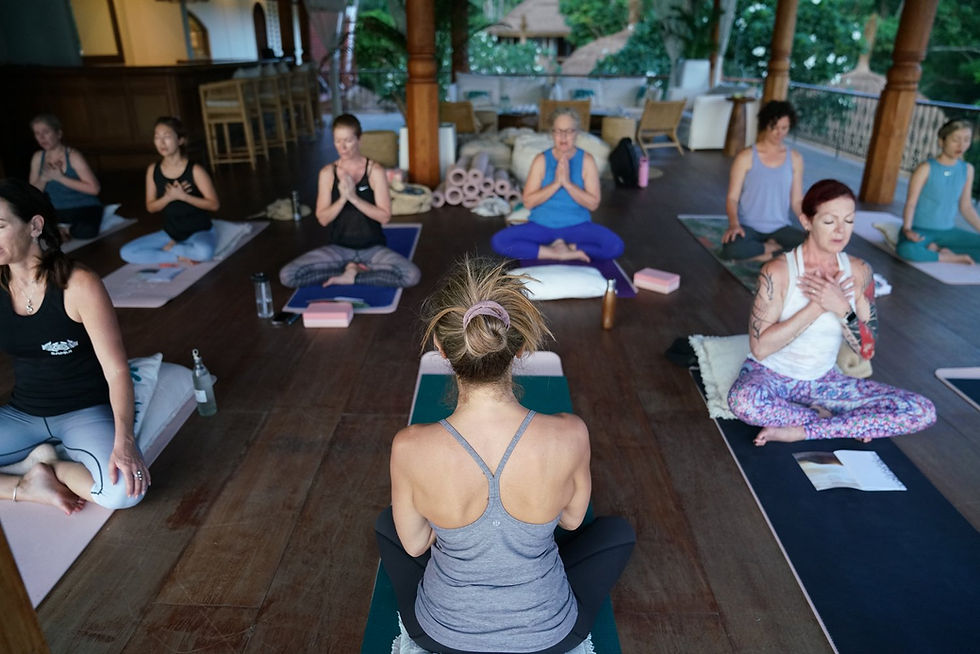
There is something indescribable that happens on retreat. Walls soften. Insight arises. People leave with something they didn’t even know they were seeking.
Why retreats work, the science
Modern research is beginning to validate what ancient traditions have always known: stepping away changes us. Studies show that time in nature reduces cortisol, the body’s primary stress hormone, and boosts immune function. The brain, given space and quiet, enters a “default mode” that sparks creativity, problem-solving, and self-reflection. Even short periods of mindful rest can shift our physiology into a parasympathetic state, the body’s natural mode for healing and restoration.
When you combine movement, meditation, nourishing food, and meaningful connection, the benefits multiply. Retreats are not an indulgence, they’re an essential reset for body, mind, and spirit.
The emotional arc of a retreat
Having led dozens of retreats, I’ve noticed a pattern:
Arrival: Participants often arrive carrying the residue of their lives, work stress, family demands, and unfinished to-do lists. There’s excitement, but also a little resistance to slowing down.
Settling in: By day two, the shift begins. Breath deepens. Shoulders drop. Conversations become richer.
Breakthrough moments: A pose, a conversation, a silent morning walk, suddenly, something clicks. An old belief loosens. A new clarity emerges.
The return: Participants head home with a lighter step, a softer heart, and a renewed sense of what matters. The external world hasn’t changed, but they have, and that makes all the difference.
Why you should run your own retreat
If you’ve ever felt the call to run your own retreat but have hesitated, here’s why I think you should go for it:
1. It deepens your impact
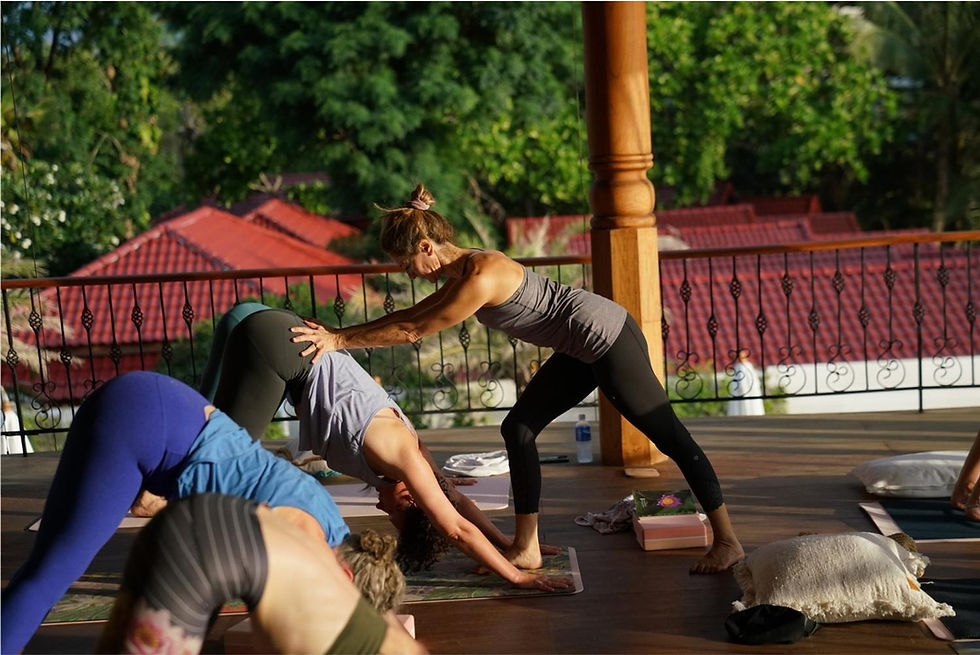
A retreat offers extended time with students, which creates space for deeper transformation than a weekly class ever could.
2. It’s a gift of presence
When students unplug from their everyday roles and responsibilities, they become more open to receiving what you offer, whether it’s movement, stillness, insight, or healing.
3. You’ll grow personally and professionally
Holding retreat space challenges you to rise, refine your voice, and expand your confidence. Every retreat I’ve led has taught me something new about myself. And creativity sparks joy.
4. It’s incredibly fulfilling
There’s nothing quite like witnessing the shifts, the breakthroughs, and the joy of your participants. It’s a privilege to witness their journey.
5. You build a lasting community
Retreats foster connection between participants and between you and your students. These relationships often blossom into long-term students and friendships.
6. You create a sanctuary
In a chaotic world, people are craving depth, quiet, and meaning. Retreats provide exactly that.
7. It’s a natural extension of your teaching
If you already teach yoga, movement, mindfulness, or wellness practices, leading a retreat is simply taking your offering into a more immersive, intentional space.
The “invisible” benefits
Beyond the obvious relaxation and learning, retreats offer gifts that can’t be listed in a brochure:
The rare experience of being fully present with yourself without distraction.
Simple pleasures, a sunrise, a shared meal, the sound of silence.
Feeling held in a supportive group where you can drop the masks and simply be.
But what if you don’t know where to start?
I hear this all the time: “I want to run a retreat, but I have no idea how to put it all together.”
That’s why I’ve created something special just for you.
YOUR Retreat Guide, simplified: a step-by-step manual I wish I had when I first started out. It takes all the guesswork out and helps you bring your retreat vision to life, from start to finish.
You’ll find tips on:
Choosing the right location
How to structure your days
What to include in your offering
Pricing strategies
How to hold space
Communication tips
And so much more
Included is a bonus Excel template to help you get clear on your costings, so you can ensure your retreat is both heart-led and financially sustainable.
A gentle invitation
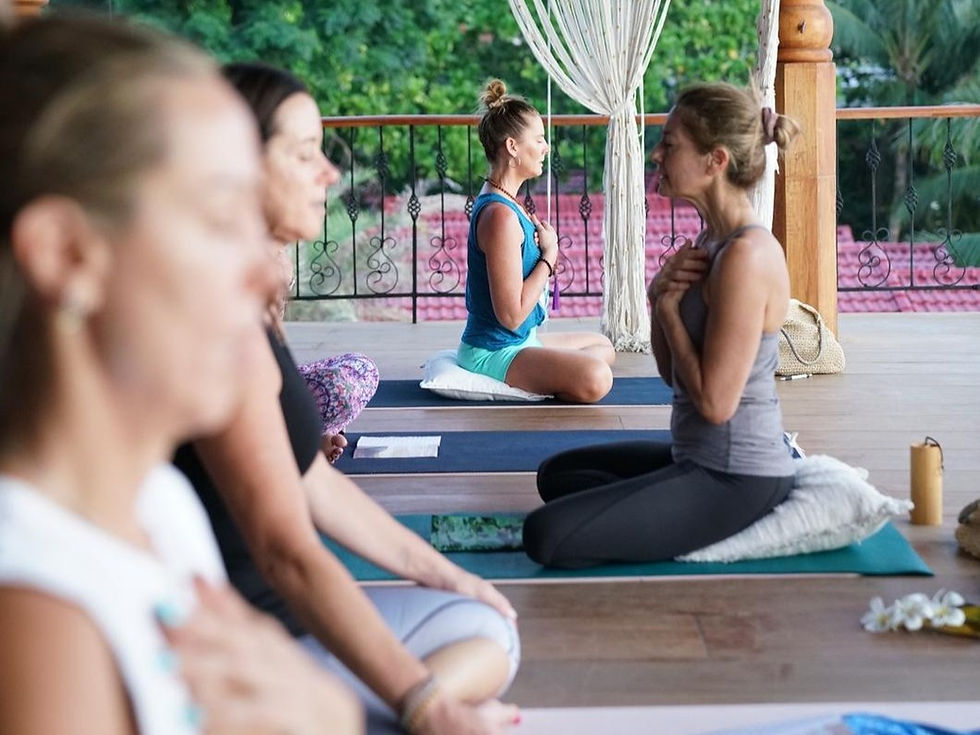
When was the last time you gave yourself permission to pause? To simply be, without demands, without rushing? Imagine what a few days of intentional space could unlock, for you and for those you lead.
I created this guide because I believe more teachers should feel confident in stepping into this fulfilling role. Retreats are powerful, both for those who attend and those who lead.
If you’ve ever dreamed of guiding others in a beautiful, immersive setting, now is the time.
Visit my website to download the guide and let me help you turn your retreat dream into a reality.
You’re ready. Your students are ready. The world is ready for what you have to offer.
Read more from Carmela Lacey
Carmela Lacey, Yoga Teacher, Movement Educator, Wellness Advocate
Carmela is a highly regarded yoga and movement educator with over 25 years of teaching experience. As the founder of Yoga Rhyth’OM, she combines traditional yogic philosophy with modern movement science to create transformative experiences for her students. Her work spans yoga teacher trainings, women's wellness retreats, and educational programs/classes focused on functional movement, breathwork, and cyclical living. Known for her grounded wisdom and heartfelt teaching style, Carmela empowers others to move with awareness, age with grace, and live in rhythm with nature. Learn more about her offerings and articles through her Brainz profile.