

The NeuroVista Story of Healing – Exclusive Interview With Amanda Denney & Melissa Micnhimer
Amanda Denney and Melissa Micnhimer are the co-founders of NeuroVista LLC, a Colorado-based practice specializing in neurofeedback, brain mapping, and trauma-informed counseling. With over six years of experience each, they help clients heal from PTSD, ADHD, anxiety, and sleep issues using evidence-based approaches. Their work blends neuroscience with compassion, offering personalized support for nervous system regulation and emotional resilience. Their goal is to help people feel more emotionally balanced and connected to themselves for greater well-being. They also provide consultations for other neurofeedback providers and are passionate about advancing modern mental health care.
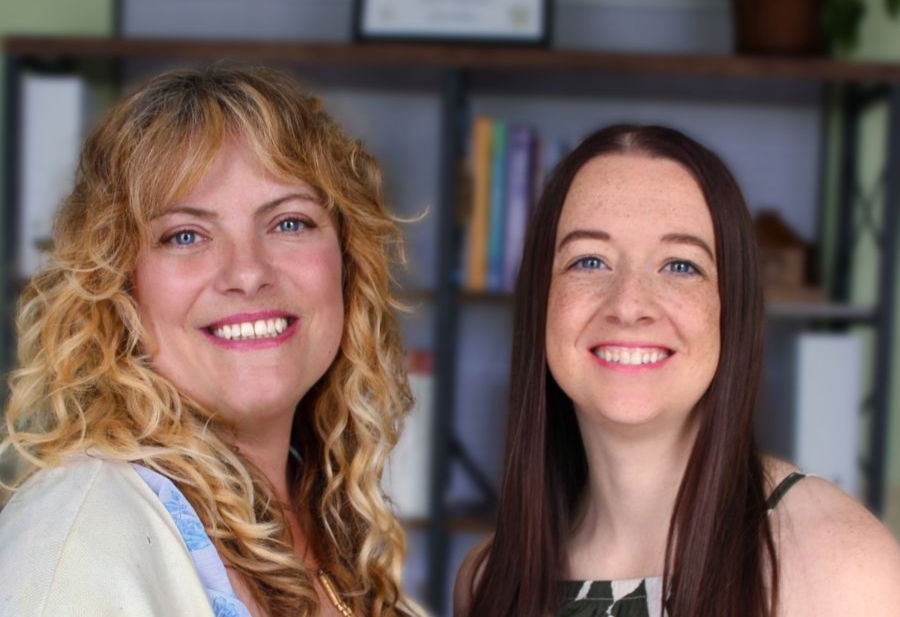
Amanda Denney and Melissa Micnhimer, Neurofeedback and Mental Health Counselors
What inspired you to start NeuroVista LLC, and how did each of you get into this work?
Amanda: About eight years ago, I began experiencing intense anxiety and panic attacks that seemed to come out of nowhere. Up until then, I had considered myself a laid-back, carefree person and not someone prone to worry. At the time, I was a freelance graphic designer and a stay-at-home mom, and though I had stress like most do, I had no idea it was possible to feel that overwhelmed by anxiety. But once I was in the thick of it, I remembered that I had done a few neurofeedback sessions back in 2005. I thought, “That’s what I need, neurofeedback.” I was desperate and willing to try anything for relief.
I ended up doing many sessions, and it changed my life. I felt such relief. I finally could manage my anxiety instead of being consumed by it. That experience led me down the path of neuroscience, healing, and understanding the root causes of emotional distress. As a result, I wanted to pay it forward to help others find the kind of relief and empowerment I had found.
Melissa: My introduction to neurofeedback started in an unexpected way. I was previously a math teacher. I took a group of students to a science and engineering event, and one presentation on neurofeedback instantly grabbed my attention. They spoke about how it could help kids with ADHD, and I thought, “This could be life-changing.” I’d seen how ADHD affected students in my classroom and in my own life. That moment set everything in motion. I went back to school for counseling, got a job doing neurofeedback, and that’s where Amanda and I met. We quickly realized we had the same passion for learning and for helping others. Starting a practice together was always on the horizon; it just took the right timing.
Who do you typically work with, and what kinds of challenges do you help them overcome?
Melissa: I specialize in trauma therapy for adults and often work with people facing PTSD, anxiety, depression, and mood dysregulation using EMDR, internal family systems, and CBT. In neurofeedback, we support clients of all ages with a wide range of concerns, including ADHD, sleep issues, traumatic brain injury, and memory challenges.
Amanda: I work with adolescents through adults, with a strong focus on trauma, anxiety, and depression by integrating narrative, strength-based, and person-centered approaches. The beauty of neurofeedback is that it can benefit nearly anyone because it strengthens the brain’s ability to self-regulate, which is the foundation of emotional and mental well-being.
We also offer professional consultation for other providers, including QEEG interpretation, treatment planning, and integrating neurofeedback into their own practices. Our goal is to support both clients and fellow clinicians with compassionate, holistic care.
What sets NeuroVista LLC apart from other mental health and neurofeedback providers?
At NeuroVista, we take an integrative approach because we deeply respect the mind-body connection. True healing, in our view, happens on all levels: emotional, physical, and neurological. For many clients, traditional talk therapy, especially when addressing trauma, can feel emotionally overwhelming. That’s where neurofeedback becomes such a valuable tool. It allows us to help regulate the brain without requiring clients to relive painful experiences. It’s a gentle, non-invasive way to build resilience in the brain and nervous system, which in turn makes processing those difficult emotions more manageable in counseling. We’ve found that combining neurofeedback with therapy creates a more stable and supportive foundation for healing, and for many, that’s a life-changing experience.
Another thing that makes NeuroVista unique is our collaborative model. Every neurofeedback client benefits from both of our expertise. We work together on the QEEG analysis, decision making for treatment, and client care.
How do you two work together as a team, and what does each of you bring to the business?
We like to say we’re each half a brain; Amanda is the right-brained, artistic, and creative side, while Melissa is the left-brained, analytical, and detail-oriented side. Amanda handles marketing and design; Melissa oversees logistics and finances. But we collaborate closely on client care, analyzing brain maps together and designing protocols as a team. That “whole-brain” approach filters into everything we do, from business decisions to clinical care.
What do you love most about the work you do?
Amanda: I love working with people, getting to know their stories, and walking with them through transformation. There’s nothing more rewarding than seeing someone feel better and step into a healthier version of themselves. I’m also endlessly curious about the brain. There’s always more to learn, and I love being part of a field that’s constantly evolving.
Melissa: I love everything about neurofeedback! I love nerding out on the math and science behind it, and I love working with a partner who shares the same passion. But most of all, I love watching clients transform. I’ve seen incredible changes in the people we work with, and I’m deeply honored to be part of that process.
Read more from Melissa Micnhimer & Amanda Denney





