How to Positively Influence Through Food
Written by Kate Taylor, Registered Nutritionist
Kate is a Registered Nutritionist and the Founder of Eat Drink Think Nutrition Limited. Kate supports systemic health & wellness through personalised nutrition, diet and lifestyle strategies & recommendations, and particularly specialises in Brain health, cognitive function and Dementia risk-avoidance.

One of the infinite benefits of food is that it influences us to feel better, whether that feeling is satiated, nourished, or simply an uplifted mood. The crucial element is that we want this feel-better factor to have longevity. Instant gratification is fleeting; the real pinnacle of wellness is to feel your best for the longest time possible.
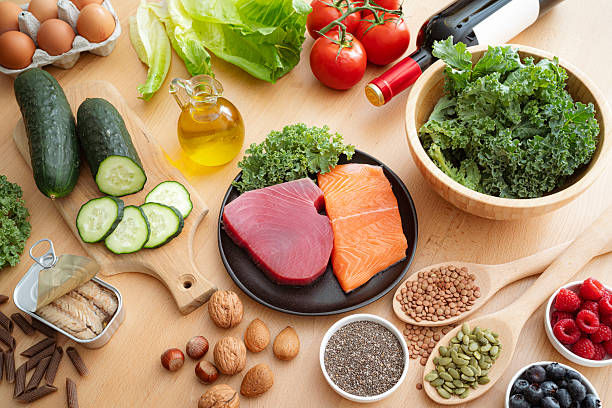
Our food and diet can achieve both, but to positively influence our overall Brainspan and healthspan, we need to delve a bit deeper into daily dietary habits. We are the sum of, and indeed the reflection of, our daily habits, not our temporary trends. In this way, we can be our own example and live in a way that positively influences our Brainspan and healthspan. Then, perhaps, our reflection will instigate positive influence and ripple effects of the infinite benefits of long-lasting, radiant health.
On this thought, here are three foods you can share to influence and support Brainspan and healthspan longevity:
Dark chocolate: By this, I mean chocolate with at least 75% cacao content. It is a shareable and sociable food, and socialising itself benefits Brainspan. There are few barriers (excluding allergies and health conditions) to including it in your diet. Several reasons explain why dark chocolate is considered healthspan beneficial: it has considerably lower refined sugar content, which is increasingly identified as one of the fastest ways to speed up physiological and aesthetic aging; it is associated with skin elasticity and anti-wrinkle benefits; and it is rich in polyphenol flavanols, which support blood flow to the brain, are naturally anti-inflammatory, enhance concentration and focus during endurance tasks, and help regulate mood stability, reducing anxiety and depression risks.
Dark chocolate also contains notable fiber, iron, magnesium, and zinc, all of which benefit whole-body health. In moderation, typically a square or two daily, dark chocolate may indeed be a win-win for brain and body.
Extra virgin olive oil: It is easy to drizzle onto food, often stored in standalone bottles on a table, and once one person adds it, others at the table may follow. Nutrient-wise, extra virgin olive oil is rich in polyphenols (when harvesting, extraction, and storage are optimal), contains beneficial essential fats (Omega-9 oleic acid) supporting brain health and structure, the brain’s dry weight is 60% fat, and provides oleocanthal, a potent anti-inflammatory compound.
Extra virgin olive oil is closely associated with the Mediterranean diet, which not only offers nutrient density but also encourages socializing in good company while eating. Thus, it supports Brainspan and healthspan both nutritionally and socially.
Berries and leafy greens: Colourful berries and leafy green vegetables are highly supportive of brain health and mood. Are they inherently social? It depends. Hosting a gathering with crudités or fruit salad makes them socially influential. Sometimes, making healthier choices to impress others at a social event can also influence behavior. Perhaps the most studied impact is on mood, which is socially significant. Berries and leafy greens are rich in polyphenol flavonoids, which are neuroprotective, regulate inflammation, and support cognitive longevity.
They are also protective of the gut microbiome, the gut-brain axis, and vagus nerve function, influencing neurotransmitters (e.g., dopamine, serotonin, noradrenaline) and behavioral reactions (such as anxiety, depression, or impulsivity). A deficiency in polyphenol-rich foods may therefore significantly affect mood, cognition, and social influence.
To conclude, aspiring to live as well and as long as possible, remember that food and diet are robustly evidenced to be major influences in achieving this.
Nutrition and diet are the benchmarks and starting points, recognised since 1903 when Thomas Edison commented in The Newark Advocate, “The doctor of the future … will interest his patients in the care of the human frame, diet and in the cause and prevention of disease.” Medical sciences advance rapidly, but underpinning health, especially brain health, is a healthy respect for fresh, nourishing food, a balanced diet, and a wholesome lifestyle.
If a functional medicine perspective for nurturing and supporting your brain health and cognitive function is of interest, the time to act is now. Why postpone what could be actioned today? Investing in your brain health and Brainspan could be one of the wisest decisions you ever make.
Please note that these are general recommendations. They are not personalised and do not account for individual health imbalances or medical conditions. Consult a medical professional or a qualified nutritionist/dietician for tailored advice.
Read more from Kate Taylor
Kate Taylor, Registered Nutritionist
Kate is an advocate of proactive and preventative healthcare through optimising and personalising the basics, nutrition, diet, and lifestyle. Kate's experiences watching those around her develop and decline from Dementia instilled in her a mindset of 'prevention is better than cure' and that, particularly when it comes to Brain health and Dementia risk-avoidance, the perception 'false hopelessness' should not triumph over health optimism. Whilst sensitive to the fact that Brain health and Dementia risk-avoidance is multifaceted and cannot be solely addressed by nutrition, Kate's professional nutritional aspiration is to empower & inspire people that diet and lifestyle are integral foundations to health, healthspan, and importantly, Brainspan.
References:
Nehlig, A. (2013). The neuroprotective effects of cocoa flavanol and its influence on cognitive performance. British Journal of Clinical Pharmacology. doi: 10.1111/j.1365-2125.2012.04378.x
Zeli, C., Lombardo, M., Storz, M.A., et al. (2022). Chocolate and cocoa-derived biomolecules for brain cognition during ageing. Antioxidants (Basel). doi: 10.3390/antiox11071353
Shahabi, M., & Idrees, R. (2023). Flavanols for age-related memory loss: A promising nutritional intervention. Annals of Neurosciences. doi: 10.1177/09727531231195683
Jennings, A., Thompson, A.S., Tresserra-Rimbau, A., et al. (2024). Flavonoid-rich foods, dementia risk, and interactions with genetic risk, hypertension, and depression. JAMA. doi: 10.1001/jamanetworkopen.2024.34136
Gratton, G., Weaver, S.R., Burley, C.V., et al. (2020). Dietary flavanols improve cerebral cortical oxygenation and cognition in healthy adults. Scientific Reports. https://doi.org/10.1038/s41598-020-76160-9
Sasaki, A., Mizuno, K., Morito, Y., et al. (2024). The effects of dark chocolate on cognitive performance during cognitively demanding tasks: A randomized, single-blinded, crossover, dose-comparison study. Heliyon. doi: 10.1016/j.heliyon.2024.e24430
Samanta, S., Sarkar, T., Chakraborty, R., et al. (2022). Dark chocolate: An overview of its biological activity, processing, and fortification approaches. Current Research in Food Science. doi: 10.1016/j.crfs.2022.10.017
Zoe [Website]. (2025). Health benefits of dark chocolate and how much you should eat. https://zoe.com/learn/dark-chocolate-health-benefits?srsltid=AfmBOoo2oE721KiYfKhxYOmXKMq-PfrDzzRiL14meqWctcWtBxuxModR
Shin, J.-H., Kim, C.-S., Cha, J., et al. (2022). Consumption of 85% cocoa dark chocolate improves mood in association with gut microbial changes in healthy adults: A randomized controlled trial. The Journal of Nutritional Biochemistry. https://www.sciencedirect.com/science/article/pii/S0955286321002746
Mazza, E., Fava, A., Ferro, Y., et al. (2017). Impact of legumes and plant proteins consumption on cognitive performances in the elderly. Journal of Translational Medicine. doi: 10.1186/s12967-017-1209-5
Schönfeld, P., & Reiser, G. (2021). How the brain fights fatty acids’ toxicity. Neurochemistry International. https://doi.org/10.1016/j.neuint.2021.105050
Flynn, M.M., Tierney, A., & Itsiopoulos, C. (2023). Is extra virgin olive oil the critical ingredient driving the health benefits of a Mediterranean diet? A narrative review. Nutrients. doi: 10.3390/nu15132916
Mazza, A.D. (2025). Olive oil and longevity: A review of evidence linking Mediterranean fats to healthy aging. Journal of Nutrition and Health Sciences. https://www.annexpublishers.com/articles/JNH/12102-Olive-Oil-and-Longevity-A-Review-of-Evidence-Linking.pdf
Morkovin, E., Litvinov, R., Koushner, A., et al. (2024). Resveratrol and extra virgin olive oil: Protective agents against age-related disease. Nutrients. https://doi.org/10.3390/nu16244258
Wei, L., Li, Z., Shi, M., et al. (2025). Neuroprotective properties of extra virgin olive oil polyphenols in Alzheimer’s disease: A multi-target mechanistic review. Frontiers in Nutrition. doi: 10.3389/fnut.2025.1736633
Tessier, A.J., Cortese, M., Yuan, C., et al. (2024). Consumption of olive oil, diet quality, and risk of dementia-related death. JAMA Network Open. https://pmc.ncbi.nlm.nih.gov/articles/PMC11074805/#H1-5-ZOI240363
Millman, J.F., Okamoto, S., Teruya, T., et al. (2021). Extra-virgin olive oil and the gut-brain axis: Influence on gut microbiota, mucosal immunity, and cardiometabolic and cognitive health. Nutrition Reviews. doi: 10.1093/nutrit/nuaa148
Vendrell Calatayud, M., Li, X., Brizzolara, S., et al. (2024). Storage effect on olive oil phenols: Cultivar-specific responses. Frontiers in Nutrition. doi: 10.3389/fnut.2024.138255
Kılıç, T., & Koyuncu, G. (2024). Effect of early harvest on the aroma compounds and bioactive properties of natural olive oils. DOI: 10.29050/harranziraat.1516474
Bernardi, E., & Visioli, F. (2024). Fostering wellbeing and healthy lifestyles through conviviality and commensality: Underappreciated benefits of the Mediterranean diet. Nutrition Research. https://doi.org/10.1016/j.nutres.2024.03.007
Royle-Davies, L. (2024). Is healthy eating contagious? Zoe Website. https://zoe.com/learn/is-healthy-eating-contagious?
Heidari, M., Khodadadi Jokar, Y., Madani, S., et al. (2023). Influence of food type on human psychological-behavioral responses and crime reduction. Nutrients. doi: 10.3390/nu15173715
Jie, S., Fu, A., Wang, C., et al. (2025). A comprehensive review on the impact of polyphenol supplementation and exercise on depression and brain function parameters. Behaviour and Brain Function. doi: 10.1186/s12993-025-00273-2
Grabska-Kobyłecka, I., Szpakowski, P., Król, A., et al. (2023). Polyphenols and their impact on the prevention of neurodegenerative diseases and development. Nutrients. https://doi.org/10.3390/nu15153454
Hunt, T., Pontifex, M.G., & Vauzour, D. (2024). Polyphenols and brain health, beyond their antioxidant capacity. FEBS Press, FEBS Letters. https://doi.org/10.1002/1873-3468.14988