From Confusion to Clarity and Understanding Neurodivergent Children – Part 2
Catrina “Tri” Francis is the owner of LifeART Wellness Clinic in Glendale, WI, where she serves as an Integrative Frequency Specialist and Ayurvedic Practitioner. With deep expertise in energy medicine, neuroscience, and mobility, she is passionate about holistic healing and dedicated to creating welcoming, supportive spaces where clients can heal and thrive mentally, physically, and spiritually.

Children who are highly sensitive or neurodivergent often experience the world through an amplified nervous system, where emotions, energy, and environment are felt before they are understood. Supporting them begins not with controlling behavior, but with creating emotional safety, co-regulation, and body-based tools that help the nervous system find calm and connection.
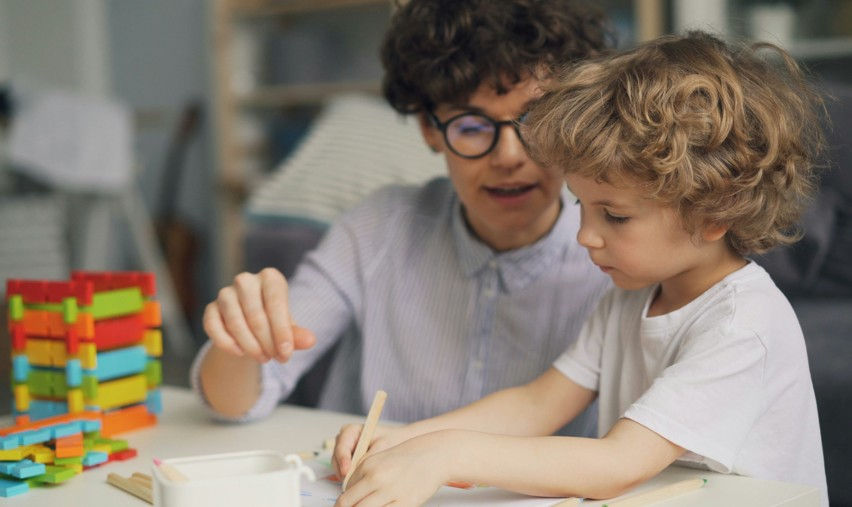
Understanding sensitive children
Many neurodivergent children function like emotional antennas. They sense tension before anyone speaks. They absorb caregiver stress. They respond to tone, energy, and emotional climate long before they respond to words. For these children, emotional safety is not optional, it is foundational. Any tool or strategy meant to support them must support the nervous system, not just behavior.
Neurodivergence shows up in daily life in ways that are subtle, varied, and deeply tied to a child's environment. At home, it may look like difficulty with transitions, emotional intensity, sensory overwhelm, or moments of clinginess, shutdown, or bursts of high energy. In school, neurodivergent children may struggle to focus in overstimulating environments, mask to fit in socially, or find group expectations confusing or draining, often leading to after school crashes or meltdowns. In family and community spaces, these same children may be highly sensitive to tone, absorb others' stress, or feel overwhelmed in fast paced or unpredictable environments. Many simply need gentler pacing, clearer expectations, and environments that honor how their nervous system processes the world.
Tantrums vs. Meltdowns – Why the difference matters
Another piece of the puzzle is recognizing the difference between tantrums and meltdowns, two experiences that often look similar but come from very different places.
A tantrum is driven by a goal, the "I want" moment. The child still has some control, and the behavior often stops once they get what they're seeking. Tantrums respond best to firm, consistent boundaries, ideally set proactively.
A meltdown, on the other hand, is an "I can't handle" moment rooted in nervous system overwhelm. It is not about getting something. It is about losing the ability to cope. Meltdowns require calm, empathy, slowing the pace, and grounding. They may take time to resolve because the child must come back into their body before they can reconnect. Some children may not remember what happened afterward, so it is important not to take their words or actions personally. Understanding this difference helps caregivers respond with clarity, compassion, and the right kind of support.
When medication did not help
Giving him the medication did not help us. The first day I gave it to him, he cried for over thirty minutes, doubled over in pain as it caused significant stomach and digestive discomfort. I sat with him, praying for the medication to wear off, knowing I would not put him through this again.
There is no cure for any neurodivergent condition, but we can learn to navigate them both proactively and reactively in ways that support daily life. The more our children understand their own patterns, needs, and triggers, the better they are able to function and move through the world with confidence. This is not to say that you should or should not give your child medication. That is a decision only a doctor and caregiver can make together. For children whose bodies are in a heightened state of stress or who have higher support needs, both medication and natural tools can be part of their care plan. To support that process, the tools below are the same strategies I share with families in my clinic to help them navigate stress, burnout, and neurodivergence with more ease and confidence.
Natural tools for regulating neurodivergence
Somatic tools are body based strategies that help the nervous system settle and return to a sense of safety. When a child is overwhelmed, the brain simply cannot think, listen, or problem solve until the body calms first.
These tools work by lowering stress hormones, slowing the heart rate, sending signals of safety, and grounding the child back into their body. They can include:
weighted pressure, hugs, blankets
slow rocking or swaying
wall push offs or chair push downs
breathing techniques
sensory corners or quiet spaces
fidgets and balance boards
warm or cold objects
calming scents
When the body feels safe, the brain becomes available again for learning, connection, and emotional growth. As regulation takes hold, children become more able to notice and name their feelings, understand what their body is communicating, use coping strategies, communicate their needs, and stay connected during challenging moments. Somatic regulation creates the foundation. Emotional and cognitive tools can only build on top of a regulated body.
Building emotional safety through co-regulation
Emotional safety grows through co regulation. Children borrow our calm before they can find their own. A soft voice, slow breathing, and steady presence help their body settle. Naming feelings with simple, non judgmental language, "You're feeling frustrated," "This feels like too much," helps their brain organize what they're experiencing. Repair after rupture is equally important. Every relationship has moments of disconnection, and coming back together teaches resilience:
"We both had big feelings."
"Let's try again."
Encouraging self advocacy gives children the language they need to express their internal world, using scripts like:
"My body needs a break."
"This is too loud."
"I need space."
Tools such as First Then language, visual schedules, predictability anchors, social stories, gentle scripts, and warm boundaries, "I will not let you hit. You can be mad, and we keep our bodies safe," all help create a sense of safety. Boundaries paired with warmth build emotional security and help children feel understood, supported, and grounded.
Finding what works for our family
In the end, we decided against medication, but we have found what truly works for us. Right now we partner with a Neurological Chiropractor to support healthier brain and spine communication, Bright Beginnings Chiropractic Milwaukee North Shore, and as an Alternative Medicine Practitioner specializing in Neurofeedback Therapy, I use neurofeedback to help coach and regulate brainwaves. Like building muscle, neuro regulation, both in the brain and in our emotional responses, takes practice, repetition, and patience. With this combination, we are seeing meaningful progress, a child who can identify when a meltdown is coming, slow down his thoughts, and make more intentional decisions. We still have a journey ahead of us, but we have already come such a long way.
A new way of seeing neurodivergence
Neurodivergence is not a problem to fix. It is a way of being. When we understand the nervous system behind a child's behaviors, we can respond with compassion, clarity, and confidence. By supporting the body first, offering emotional safety, and teaching children to understand and advocate for their needs, we create environments where neurodivergent children can thrive, and when caregivers feel equipped with the right tools, they can show up with steadiness and hope, knowing they are helping their child build a life that honors their wiring.
Read more from Catrina Francis
Catrina Francis, Integrative Frequency Specialist and Ayurvedic Practitioner
Catrina "Tri" Francis is no stranger to burnout and its negative effects on the body. After facing stress-induced health challenges, including high blood pressure, obesity, TMJ, and migraines, she experienced neuro-exhaustion in the form of a stroke. Determined to heal, she immersed herself in complementary medicine, developing a holistic system that integrates Ayurveda, Reiki, Sound Healing, Chakra Attunements, Yoga, Assisted Stretching, and Neuroscience. Today, she blends her expertise in wellness and project management to empower others on their healing journeys, helping them achieve balance in mind, body, and spirit.