

Empowering Neurodiverse Lives with Insight and Heart – An Interview with Behavior Analyst Saaid Radwan
Saaid Radwan is a Senior ABA Therapist, Neurodiversity and Family Consultant, and CPD Certified Trainer with over 20 years of international experience in the fields of Applied Behavior Analysis, speech and communication support, and inclusive education. Based in Dubai, his work spans the UAE, Middle East, North Africa, Europe, and Central Asia, supporting individuals, families, and professionals across diverse cultural and clinical settings.
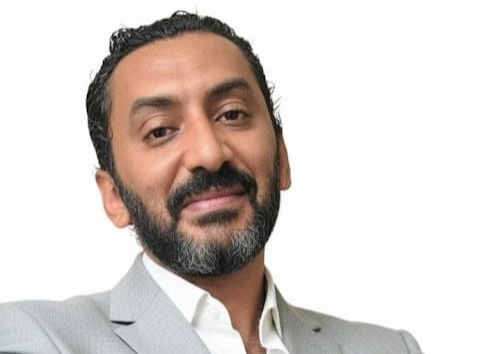
Saaid Radwan, Behavior Analyst and Family Consultant
Who is Saaid Radwan?
I am a behaviour analyst, family consultant, and educator with more than two decades of experience supporting neurodiverse children, adolescents, adults, and their families across different countries and systems.
My professional journey integrates behavioural science, communication, vocational training, and family-centered practice. I have worked in clinical settings, schools, residential environments, and international collaborations, always with the same mission: improving quality of life through evidence-based and ethical practice.
Outside of work, I value creativity and expression. I have a strong interest in performing arts and movement, particularly as tools for emotional regulation and self-expression. My background is multidisciplinary, spanning engineering, business administration, speech and communication, and autism-focused behavioural science, which allows me to approach problems analytically while remaining deeply human-centered.
What inspired you to become a Behaviour Analyst?
My path into behaviour analysis was purposeful.
While studying Telecommunications Engineering in Cairo, I was actively involved in the Arab Youth Development Committee at the American University in Cairo. Through community service initiatives, we supported individuals with special needs and their families and recorded audiobooks for individuals who were blind.
I later volunteered at a rehabilitation center where I became deeply interested in alternative communication systems. I even designed a touchscreen communication device for nonverbal children, although I was unable to secure sponsorship at the time.
Despite beginning my professional career in engineering, I continued volunteering in special needs services. Gradually, I realized my sense of purpose was stronger in service than in technology.
A verse from the Qur’an deeply influenced my decision: “And when your Lord said to the angels, ‘Indeed, I will place upon the earth a successor.’”
وَإِذْ قَالَ رَبُّكَ لِلْمَلائِكَةِ إِنِّي جَاعِلٌ فِي الأَرْضِ خَلِيفَةً [البقرة:30]
For me, this represents responsibility and meaningful contribution. It encouraged me to reflect on my purpose and ultimately shift my entire career toward behavioural science without regret.
What is Applied Behaviour Analysis (ABA), and why does it matter?
Applied Behaviour Analysis (ABA) is a scientific approach to understanding behaviour and teaching meaningful skills that improve quality of life. It focuses on observable behaviour, environmental influences, communication, emotional regulation, and functional independence.
For families, ABA provides clarity and structure. For educators, it offers evidence-based strategies that improve participation and learning outcomes. When practiced ethically, ABA empowers rather than controls.
Who do you help most, and what challenges are they facing?
I primarily support neurodiverse children, teenagers, adults, and their families. Families often come feeling overwhelmed by tantrums, communication difficulties, school challenges, limited independence, or anxiety about long-term transitions.
What they seek most is understanding and a structured plan that works in real life.
How do you tailor your approach?
With children, I focus on foundational skills such as communication, emotional regulation, and independence. With adolescents, I emphasize social responsibility and vocational readiness. With adults, the priority becomes independence and dignity.
When working with families, strategies must align with their culture, values, and daily realities to ensure sustainability.
What are common misconceptions about behaviour support?
One misconception is that behaviour therapy is about enforcing compliance. Ethical behaviour support focuses on understanding the function of behaviour and teaching adaptive alternatives.
Another misconception is that therapy aims to ‘fix’ individuals. The goal is to enhance communication, independence, and quality of life.
Can you share a memorable success story?
A teenager once labeled as non-compliant was struggling socially and academically. Instead of focusing solely on behaviour reduction, we addressed communication gaps, anxiety triggers, and independence goals.
With structured support and vocational exposure, the teenager developed autonomy and confidence. The most meaningful outcome was restored hope within the family.
What makes your services different in the UAE?
My approach is integrative and lifespan-focused. I combine ABA principles with communication therapy, vocational training, emotional regulation strategies, and international collaboration experience.
My focus is long-term independence and functional success.
How do you build trust with families?
Trust begins with listening. I prioritize transparency, shared goal-setting, and consistent feedback. When families understand the rationale behind strategies, collaboration becomes strong and sustainable.
What results can clients expect?
Clients can expect measurable improvements in communication, emotional regulation, independence, and reduction in challenging behaviours.
Equally important, families often report improved confidence, calmer home environments, and stronger relationships.
What advice would you give to someone considering Behaviour Analysis?
Seek guidance early. Behaviour challenges are signals, not failures. Choose practitioners who prioritize dignity, collaboration, and individualized support.
How can people get started?
The first step is an initial consultation to explore concerns and goals. Families and professionals can connect via Instagram at @abadubaiuae to learn more or request guidance.


