Breath, Fascia Posture – Hidden Matrix of Health & Longevity
Luther has over 27 years of experience educating and treating the public, elite athletes, & pain management clients with chronic musculoskeletal and soft-tissue alignment and postural issues.

This article will focus on a summary of key concepts of Posture Movement Principles presented within my four previously published articles on Brainz. After reading this article, you may want to revisit the other articles for a deeper understanding of the content presented, to increase the health and wellness of people by having a good foundational understanding of what I call the “New Core,” Fascia.
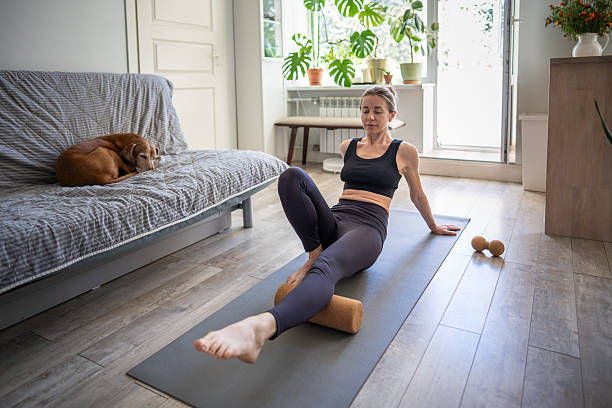
Fascia: The organizing matrix
Fascia is more than connective tissue, it is the body’s organizing matrix. It suspends, supports, connects, and harmonizes all organ systems, integrating the physical with the subtle energy fields of acupuncture meridians, chakras, and bioelectric patterns. Through dense sensory innervation, fascia communicates with the nervous system, shaping posture, proprioception, balance, and organ function.
Posture as a vital sign
Modern research shows posture is more than appearance, it is a vital health indicator. Poor alignment compresses organs, restricts lung capacity, and disrupts circulation and neural signaling. NIH studies link posture to musculoskeletal and brain health, while Virginia Tech’s OSHR research associates upright posture with longevity markers like telomere length. Tests like the Sitting-Rising Test (SRT) and One-Leg Balance Test strongly correlate with lifespan.
Myofascial meridians and movement
Thomas Myers’ myofascial meridians reveal the body moves through interconnected fascial chains, not isolated muscles. Lines such as the Superficial Front Line, Superficial Back Line, Spiral Line, and Deep Front Line coordinate force, stability, and mobility. Training whole chains enhances strength, elasticity, and balanced posture, while dysfunction in one link creates compensations, injury risk, and chronic strain.
Modern dysfunctions: Tech neck & sedentary collapse
Forward head posture (“tech neck”) adds 40-60 pounds of force to the cervical spine. Hours of sitting collapse the diaphragm and fascia, impairing breathing, circulation, and spinal stability. These patterns accelerate aging, reduce energy, and increase disease risk. Correcting them requires awareness, movement resets, and fascia-focused interventions.
Practical steps for posture wellness
Daily posture resets: 10 minutes of floor sitting, tai chi, or spinal decompression undoing hours of sitting.
Movement diversity: Integrate walking, squatting, and functional mobility drills.
Fascia training: ELDOA, myofascial stretching, and manual therapy hydrate fascia and restore balance.
Professional coaching: Posture & wellness coaching identifies misalignments, applies corrective bodywork, and builds long-term resilience.
Subscribe to the “Shorts” on my YouTube channel below to stay educated on posture and movement health & wellness.
If you are in the local area of my practice, you can begin the process of discovering how to improve your overall health. If not, screening services for identifying and improving your posture are available by Zoom, and/or you can give them to your movement coach to make more effective use of their services. If interested, the contact information is below:
Corporate Massage Therapies-Advanced Treatment Center
5000 Sagemore Drive, Suite 200
Marlton, NJ 08053
609-257-8595

Read more from Luther Lockard
Luther Lockard, Posture & Movement Coach, LMT
Luther Lockard is a professional bodyworker with 27 years of experience, which includes the services of Posture & Alignment Coaching, flexibility training, personal training, medical massage, reflexology, craniosacral, Reiki, therapeutic touch, healing touch, and other energy-based modalities. Luther has over 2000 hours of professional training in bodywork, which includes Brain-Based & Corrective Exercise Movement Coaching.
References:
National Institutes of Health. “Posture and Musculoskeletal Health.” 2. Virginia Tech OSHR. “Postural Dynamics and Lifespan Vitality.”
Brito et al., European Journal of Preventive Cardiology, 2014.
Araújo et al., British Journal of Sports Medicine, 2022.
NIH NCCIH. “Tai Chi: In Depth.”
North American Spine Society Journal.