4-Week Outdoor Challenge to Embody Nature, Move More, and Care for the Earth
Updated: Apr 14
Written by Brenda Green, Wellness Mentor
Brenda Green is a Wellness Mentor guiding women toward clarity, confidence, and well-being through intentional self-care. As the founder of Perceptive Healings and host of the Perceptive Healings podcast, she leads online wellness clubs that nurture personal growth and intuitive living, fostering a balanced and impactful life.

From sofa to soulful movement, this gentle 4-week challenge invites you to choose one outdoor activity that feels enjoyable, meaningful, and inspiring, then deepen it into a practice of wellness, wonder, and Earth care.
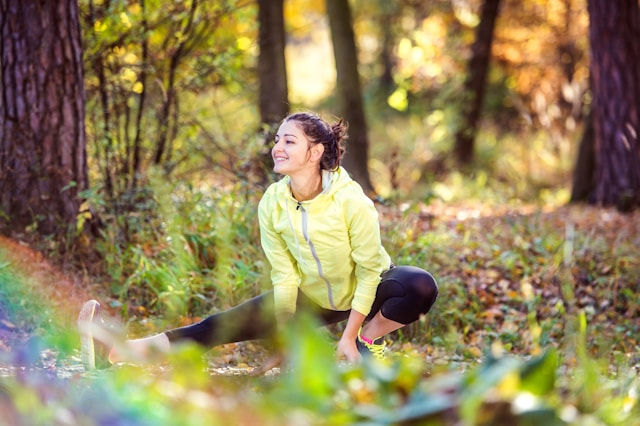
How close do you feel to the outdoors in your daily life? How present is the outdoors in your daily life? For many people, that question awakens a genuine desire for fresh air, movement, sunlight, and a deeper sensory connection with the world. It can also highlight how much of modern life unfolds inside, through work at a desk, time in the car, and routines that keep the body sedentary within enclosed spaces more often than open ones.
Yet the longing remains. Many people desire a deeper connection with the outdoors and a way of caring for the Earth that feels personal, meaningful, and sustainable. That desire carries wisdom. It reflects an innate human relationship with the land and how we desire to experience each season. How can we create a more natural rhythm between indoor life and time outdoors?
Our ancestors often lived in closer rhythm with nature. Their lives included walking paths, gardens, changing weather, seasonal foods, shared outdoor work, handicrafts, waterways, and a lived understanding of the land around them. In this era, many people are rediscovering that relationship in a fresh and meaningful way. A morning walk in the neighborhood can become much-needed “me time.” Maintaining a garden can feel like a mood lifter. A trail can become a place of observation and listening. A small act of care for the land can become a powerful expression of wellness and a feeling of belonging.
How can one create an outdoor practice that reflects natural interests, supports seasonal wellness, and helps you move more outdoors? How can you add to your capacity to care for the Earth? The path begins with one question: What outdoor activity feels doable, enjoyable, and inspiring to you right now?
A more meaningful way to reconnect with nature
The wish to spend more time outdoors is often the first step. As that intention becomes a lived practice, four elements can help it grow into something more meaningful and lasting:
Movement
Sensory awareness
Personal passion
Environmental contribution (optional choice)
This is where the experience starts to feel personal and rewarding. Walking can deepen your interest in botanicals or edible weeds along your path. Hiking can create space for birding or wildlife observation. Biking can lead you toward new trails and fresh scenery. Kayaking pairs well with fishing and wildlife observation, while also inviting a closer relationship with rivers and lakes. An outdoor activity becomes richer when it holds your attention, joy, and your values all at once.
Forest bathing as a powerful example
One beautiful example is forest bathing, a practice rooted in the Japanese tradition of shinrin-yoku. Official Japanese tourism sources describe it as spending time in a forest and taking in the atmosphere through the senses. It is a slow, attentive, immersive experience of nature through sight, sound, scent, texture, breath, and presence.
Forest bathing offers a refreshing alternative to goal-driven movement. The emphasis rests in noticing, receiving, breathing, and attuning. For many people, that creates a felt sense of spaciousness and renewal. It also offers a gentle path for those who want an outdoor activity that feels restorative, embodied, and quietly profound.
“I love forest bathing and walking across uneven trails in the woods”. Uneven trails beautifully invite attention. Your feet become more awake. Your breath often becomes more rhythmic. Your senses begin to open. The body meets the land through movement, balance, curiosity, and presence. That relationship strengthens when you visit a botanical garden or a local park where native plants, woodland ecosystems, and seasonal changes are visible to explore in your own unique way.
Time outdoors can grow into something far richer through repeated experience. With each return, the land can begin to feel less distant and more like a meaningful part of your life. It becomes a lived connection that can nourish your body, settle your mind, and deepen your sense of belonging.
Add your passion to the path
An outdoor practice often becomes more meaningful when it includes something you truly enjoy. Your time outside can deepen when you bring in a personal interest, something you love learning about, noticing, creating, or sharing with others.
Here are a few examples:
Walking + edible weed recognition
Forest bathing + bird listening
Trail hiking + native flower identification
Biking + photography
Kayaking + fishing
Gardening + mood lifter
Park visits + sketching, journaling, or nature study
This approach makes the activity more than an exercise. It becomes a form of learning, devotion, creativity, stewardship, and joy. What passion can you bring to your outdoor activity?
Outdoor connection can grow through family, friends, and coworkers
An outdoor practice can also deepen through companionship. Time outside often becomes even more meaningful when it includes family, friends, or coworkers. Shared movement brings conversation, laughter, accountability, and a sense of belonging.
“When I worked in the corporate world, my friend and coworker joined me for walks around the campus during lunch breaks. That became an enjoyable rhythm for both of us. We had time to talk, refresh, breathe, and return to the workday with more clarity and energy.” A park near the office, a campus loop, or a tree-lined sidewalk near work can offer an easy way to reconnect with nature. In the middle of a full schedule, even a short time outside can bring fresh air, movement, conversation, and a welcome sense of renewal.
This same approach can work in many forms:
A family nature walk after dinner
A weekend trail visit with a friend
A lunchtime walk with a coworker near a park
A botanical garden outing with a loved one
A bike ride with children or grandchildren
A shared volunteer clean-up with neighbors
The outdoors often becomes more inviting when it carries shared experience.
The fresh start outside challenge: A 4-week practice to reconnect with nature, move more, and care for the Earth
Week 1: Choose your outdoor activity
Choose one outdoor activity that feels doable, enjoyable, and inspiring. Examples include:
Walking
Forest bathing
Biking
Hiking
Kayaking
Gardening
Birding
Nature photography
Outdoor sketching
Park visits
This first week is about rhythm. Practice your chosen activity twice. Let each session be long enough to feel present and satisfying.
Ask yourself:
What outdoor activity feels most inviting right now?
What setting feels welcoming to me?
What time of day helps me feel most alive outdoors?
Week 2: Add one layer of passion
Now bring one layer of interest, curiosity, or knowledge into the activity. Examples:
Learn three edible weeds in your area
Notice five native flowers
Listen for birds and identify one call
Photograph interesting textures in nature
Bring a journal and write after your walk
Visit a botanical garden and study seasonal blooms
Bring a field guide and learn one plant family
This week invites you to make the practice your own. As you add personal interests and curiosity, your time outdoors begins to reflect what feels meaningful to you.
Ask yourself:
What captures my attention outdoors?
What would make this activity even more enjoyable?
What would I love to learn through this practice?
Week 3: Add care for the Earth
Now, let your outdoor activity reflect your care for the Earth. Examples:
Bring gloves and a bag for litter on a walk
Plant flowers that support pollinators
Learn native plants and share them with family
Volunteer in a garden or trail project
Create a habit of leaving each place more cared for
This week helps the relationship become reciprocal. The Earth offers beauty, presence, and vitality. You respond through care, respect, and stewardship.
Ask yourself:
How would I like to care for the Earth through this activity?
What kind of contribution feels natural to me?
How does care deepen my sense of connection?
Week 4: Shape it into a seasonal rhythm
Now, create a simple plan for continuing. Examples:
One forest bathing walk each week
One park visit every weekend
One lunch walk with a coworker three times a week
One family outdoor outing every Sunday
One garden session every Saturday morning
One monthly volunteer project
One visit to a botanical garden each season
This final week helps the challenge become a living rhythm. Ask yourself:
What feels joyful and sustainable?
How does this activity fit my current season of life?
How would I love this outdoor practice to grow?
How to adapt the challenge for each season and each hemisphere
This challenge works beautifully across the globe because each reader can follow it within their own current season.
A season of blossoming may invite native flowers, edible weeds, bird activity, and longer walks. A season of warmth may invite kayaking, biking, early-morning hikes, visits to botanical gardens, and water-based activities. A season of harvest may invite woodland trails, seed observation, community gardens, and local seasonal abundance. A cooler season may invite shorter walks, contemplative forest bathing, an evergreen study, winter birding, or outdoor crafts with gathered natural materials.
The invitation remains the same in every hemisphere. Choose one activity that fits your climate, your energy, your interests, and your living environment. Then deepen it with presence, passion, and care. Invite yourself to experiment with different ideas till the right one lands for you. Then begin to cultivate it into a new enjoyment.
Why this challenge can change more than your schedule
Time in nature can support wellness in many ways. The U.S. National Park Service highlights benefits connected to health, focus, and social connection, and also points to the value of park time for movement and well-being. You may expand your knowledge about conservation and how to be a steward of the land you visit.
Being a steward of parklands means caring for natural spaces in ways that help protect and preserve them for everyone. This can take shape through respectful outdoor use, volunteering, and simple conservation efforts such as following “Leave No Trace” principles, picking up litter, staying on marked trails, removing invasive species, and supporting local parks through volunteer programs or conservancy groups.
Beyond measurable benefits, time outdoors often touches something deeper. An outdoor practice can renew your connection with your senses, your body, your curiosity, your community, and the living world around you. It can foster a stronger sense of presence, participation, and belonging. This is where nature begins to support a more embodied and expansive way of living.
Final thoughts
A beautiful outdoor practice can begin with one gentle yes. One walk. One trail. One bike ride. One botanical garden visit. One forest bathing experience. One kayak outing. One family outing in the park. One lunch break walk with a friend or coworker. One act of care for the land around you.
From there, something meaningful can grow. When you choose an outdoor activity that feels enjoyable and inspiring, you create a pathway into movement, renewal, and exploration. When you add your passion, the experience becomes richer. When you add care for the Earth, it becomes purposeful. When you share it with family, friends, or coworkers, it becomes part of a living culture of connection.
This is how a simple practice can change you. It can help you reconnect with nature, move more outdoors, care for the Earth, and deepen your experience of seasonal wellness in a way that feels personal, embodied, and expansive. The balance of being inside and outside is easier to accomplish with so much more meaning and passion driving that harmonic relationship.
If you feel called to strengthen your wellness, deepen your connection with nature, and experience the seasons in a more conscious and meaningful way, Perceptive Wellness Club offers a beautiful place to begin. Each September, we gather in community and experience the wisdom of each season together across a full year. Our engagement with nature becomes a collaborative expression of our own wellness. Through that living relationship, we deepen our understanding of embodiment, belonging, and the expansive connection we share with the Earth and all living beings. As you take part in the Move With Nature Challenge, share your experience on social media with "nature my way" and inspire others to explore nature in a way that feels meaningful to them.
Schedule your complimentary 45-minute Wellness Goals Conversation with Brenda Green to discover how Perceptive Wellness Club can enrich your seasonal wellness, expand your connection with nature, and support a more vibrant, embodied, and fulfilling way of living. Visit Perceptive Healings.
Read more from Brenda Green
Brenda Green, Wellness Mentor
Brenda Green is a Wellness Mentor dedicated to guiding women toward clarity, confidence, and well-being through intentional self-care and holistic habits. As the founder of Perceptive Healings, she creates supportive communities where women uplift and inspire one another in their journey of self-discovery. Through her online wellness clubs, she empowers women to embrace their intuitive, spiritual, and empathic gifts, cultivating their highest potential to positively impact their lives, communities, and the world around them.