Why Your Energy Enters the Room Before You Do and What to Do About It
Updated: Aug 11
Written by John Quaid, Bespoke Wellness Consultant
Thirty-five years in corporate life. Seven years of inner work. One simple truth - when the inner world shifts, the outer world changes. Founder of Believe in Wellness.

Most people walk into a room and think about what they are going to say. What they rarely consider is what they are already communicating before a word leaves their mouth. Your energy, the felt quality of your inner state, arrives before you do, and the people around you register it whether you intend them to or not. This article explores what that means in practice and what you can do about it before your next significant meeting, conversation, or interaction.
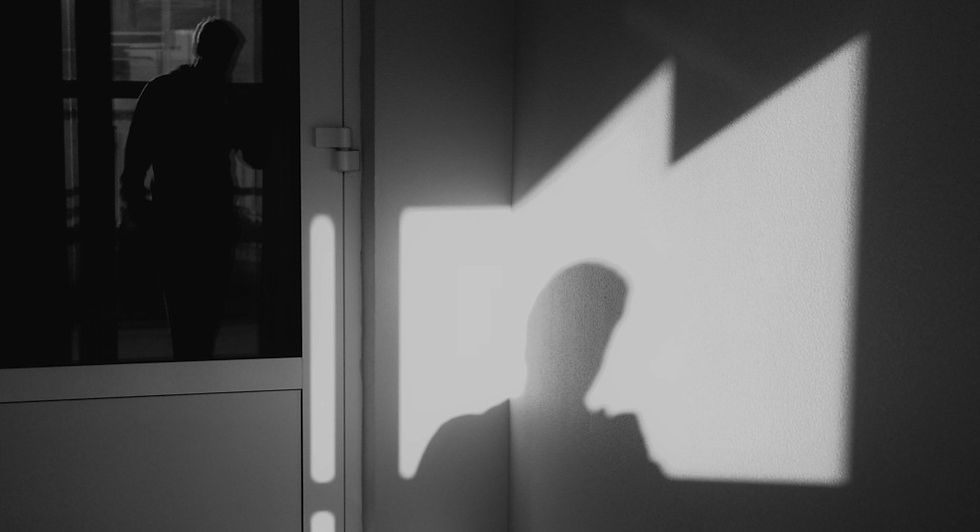
I wish to begin with something that happened in a boardroom, not a meditation retreat. It was a high-stakes meeting. The kind where the outcome mattered, where the people in the room were sharp, and the atmosphere was already charged before anyone had opened a laptop or spoken a word. A senior leader walked in four minutes late. He said nothing beyond a brief apology, took his seat, and the meeting began.
Within ten minutes, the entire energy of the room had shifted. Not because of what he said. Because of what he carried with him. The tension in his body. The distraction behind his eyes. The tightly managed composure was working just hard enough to signal that something underneath it was not composed at all. Nobody named it. Nobody needed to. Every person in that room felt it and adjusted accordingly. A decision deferred, candor quietly set aside, people editing themselves before they had spoken a single word.
I have never forgotten that morning. Not because it was unusual, but because it was so ordinary. It happens in every organisation, every team, every relationship, every day. We simply do not talk about it.
What arrives before the words do
Your energy enters the room before you do. Not your strategy, your agenda, or your track record. Your energy. The felt quality of your inner state in that moment. The people around you register it before a single word has been spoken, often before they are consciously aware they have noticed anything at all.
This is not abstract. Researchers call this emotional contagion. The science on how quickly we absorb each other's emotional states is remarkably robust, and it operates well beneath the level of conscious awareness. We read each other constantly beneath the level of language. The slight tension in someone's jaw. The quality of stillness, or its absence, in how a person occupies a chair. The difference between someone who is fully present and someone who is physically in the room but mentally three conversations ahead. These signals arrive first, and they shape everything that follows.
The question worth sitting with is not whether your energy affects the room. It does, without exception. The question is what energy you are bringing, and whether you have any awareness of it before you walk through the door.
Energy is not a morning routine
Most of what is written about energy in a leadership context focuses on managing it. Protecting it. Optimising it. All of that has value. But it addresses the surface, not the source. Much of the conversation around energy management in leadership focuses on renewal and recovery, which are important but still external. The deeper question is what your energy is actually expressing about your inner state.
In my experience, from thirty-five years in corporate life and from the inner work that ran alongside it, the energy you bring into a room is not primarily a product of how well you slept or whether you meditated that morning. It is the natural expression of your relationship with your own inner world.
I know this from the inside. There was a period in my corporate career when I was carrying more than I realised, pressure that had become so normalised I no longer recognised it as unusual. I walked into rooms believing I was composed. What I was, in truth, was contained. The difference between those two things is something the people around you feel long before you do. It was only when the inner work began that I understood what I had been bringing into every room for years, and what became possible when that changed.
When the inner world is carrying unprocessed stress, unresolved tension or the quiet hum of chronic overwhelm, something of that state travels with you into every room you enter. People feel it even when you believe you have successfully concealed it. Especially then, in fact, because the effort of concealment has its own quality that others sense without being able to name.
When the inner world is more settled, when you have done the work of becoming more present, more self-aware, more at peace with what you are navigating, something different enters the room with you. This is what a leadership energy footprint built from the inside out looks like, a quality of steadiness, of being fully here, of meeting people rather than managing them. That quality cannot be performed convincingly for long. It is built, slowly and honestly, from the inside out.
What I learned to do before walking into a room
During the more pressurised stretches of my career, I developed a practice I still use today. Before any significant meeting or conversation, I would take a moment, sometimes thirty seconds, sometimes two or three minutes, to stop completely.
Not to review my agenda or rehearse my opening line. Simply to stop. To feel my feet on the floor, take three slow, deliberate breaths and ask myself honestly, what am I carrying into this room right now, and is it what I want to bring?
That question alone changes something. It creates a space between the automatic and the intentional. Between walking in carrying whatever the last hour deposited and walking in with awareness and genuine choice about the quality of presence you are offering.
I have seen this shift change the tone of a difficult conversation before it began. Not because the challenges disappeared. Because the person who walked in was genuinely different from the one who had been sitting outside two minutes earlier.
Your team, your clients, and your family feel that difference. They may never articulate what changed. They will feel it nonetheless.
The invitation
Before your next significant conversation or meeting, try this. Find sixty seconds beforehand. Step away from the noise, even briefly. Feel your feet on the floor. Breathe slowly, three times. Then ask yourself quietly, what am I bringing into this room right now? This kind of mindful presence at work is not reserved for meditation practitioners. It is available to anyone willing to pause.
Not what you intend to say. What are you carrying? That single moment of honest self-awareness is not a technique. It is the beginning of something more important, the understanding that the most powerful thing you bring into any room is not your experience, your authority, or your preparation.
It is the quality of your presence. Presence begins not at the door, but in the quiet work of knowing yourself well enough to choose what you carry.
If this article resonated with you, I would love to hear how it lands in practice. Visit here to explore more on inner work, mindfulness, and the quiet practices that change everything from the inside out. My book Keep Believing – The Best Is Yet to Come, a personal guide to the inner work that changes everything, launches in September 2026.
Read more from John Quaid
John Quaid, Bespoke Wellness Consultant
John Quaid, known as JQ, is the founder of Believe in Wellness and a Bespoke Wellness Consultant who guides individuals and organisations to transform from within, through mind, body and spirit. After 35 years in corporate life, including leadership roles at Dell Technologies and O2 Ireland, he left to fully align his work with his purpose. That decision was not made lightly. It was the result of seven years of inner work, lived quietly alongside a demanding corporate career, that changed not just how he worked but how he showed up for every relationship, conversation and ordinary moment within it. JQ writes for the professional who senses that the most important work of their life has nothing to do with their job title.