

Why Your Book is a Strategic Asset (Not a Vanity Project)
- Mar 1
- 6 min read
Tracy Stewart is a book coach and ghostwriter with 30+ years' experience in international project risk management, guiding executives and entrepreneurs to craft impactful business and legacy books. A trauma-informed coach, Tracy also supports memoirists to share their stories, is a published fiction author, speaker, and founder of Freshly Press.

Most leaders write books for the wrong reasons or don't write them at all because they think it's self-indulgent. But a well-positioned book isn't about vanity. It's about creating a business tool that opens doors, builds authority, and generates revenue long after publication.
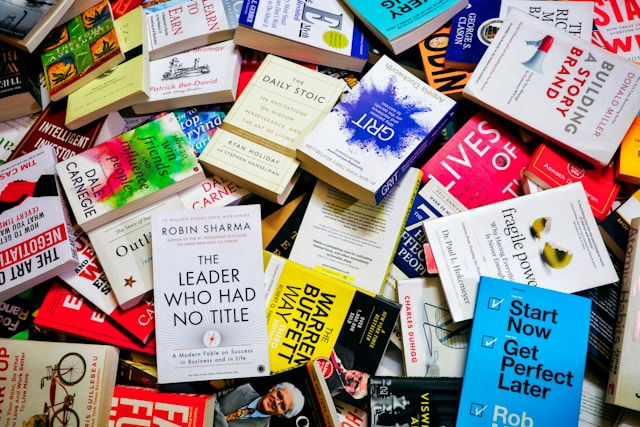
What makes a book a strategic asset?
A strategic asset is something that creates ongoing value for your business. It positions you as an authority, attracts high-quality clients, and generates opportunities without requiring your constant attention.
For CEOs, founders, and entrepreneurs, a book can do all of that if it's positioned correctly. The difference between a vanity project and a strategic asset comes down to intention. Vanity projects exist to make you feel good. Strategic assets exist to create measurable business outcomes.
The real ROI of a business book (Hint: It's not book sales)
Here's what most people get wrong: they think the ROI of a book comes from royalties. It doesn't.
According to the 2024 Business Book ROI Study conducted by Gotham Ghostwriters, Amplify Publishing Group, and Thought Leadership Leverage, the first large-scale study of business authors, 64% of authors reported making a profit from their books beyond direct book sales.
The median gross profit? $11,350 for books that had been on the market for at least six months. But here's the most important finding: the profit rarely came from selling books. It came from what the book enabled.
The same study found that ghostwritten books generated five times the revenue and four times the profit of self-written books. Not because ghostwriters are better writers (though many are), but because authors who invested strategically in their books with professional support, clear positioning, and a business plan treated their book as a business asset, not a creative project.
A book positions you as the expert in your field. It's a 200-page business card that says, "I know what I'm talking about, and here's the proof."
The ROI comes from consulting contracts, speaking fees, media opportunities, and high-ticket client acquisitions, not Amazon rankings.
How a book opens doors you can't open alone
When you have a published book, you gain access to:
Speaking opportunities. Event organizers want authors. They're seen as credible, prepared, and worth the stage time. A book gets you invited to conferences, podcasts, and panels you wouldn't have access to otherwise.
Media coverage. Journalists quote authors. They need expert sources, and a book signals expertise faster than a LinkedIn profile ever will. Wouldn’t you like your book to be appearing on a list like this by Ladys Patino, Book Reviewer and Writer, 9 Essential Business Books for Leaders and Entrepreneurs
High-quality client leads. The people who read your book self-select. They're already interested in your expertise, they trust your approach, and they're more likely to become clients than cold leads ever will.
Strategic partnerships. Other leaders in your industry take you more seriously when you're a published author. Doors open. Conversations happen. Collaborations form.
None of this shows up in book sales metrics. But it absolutely shows up in your revenue.
Why most leaders don't write the book (and why that's a mistake)
If books create this much value, why don't more leaders write them?
Because they think it's self-indulgent. There's a cultural cringe around self-promotion. Leaders worry they'll look arrogant or out of touch if they position themselves as authors. But the truth is: your competitors are writing books. Your industry thought leaders are writing books. And every day you wait is a day they're building authority you're not.
Because they think it takes too much time. Yes, writing a book is work. But so is building a business, and most leaders have already done that. The question isn't whether there's time. It's whether the investment creates long-term value.
Because they don't know where to start. Most leaders aren't writers. They're strategists, operators, visionaries. The idea of sitting down and writing 50,000 words feels overwhelming.
Smart leaders don't do everything themselves. They bring in expertise where it makes sense, whether that's working with a ghostwriter, hiring a book coach, or bringing in someone who understands both the business and creative sides of publishing.
What a strategic book looks like
Not every book is a strategic asset. Some are just words on a page.
A strategic book has:
A clear positioning. Who is it for? What problem does it solve? Why should they care? If you can't answer these questions, your book won't do what you need it to do.
A compelling message. Your book should have a point of view. It should challenge assumptions, offer new frameworks, or provide insights your audience can't get elsewhere.
Practical application. Business books that work give readers something they can use. Frameworks. Strategies. Steps. If your book is all theory and no action, it won't create impact.
A connection to your business. Your book should lead readers somewhere. A discovery call. A consulting engagement. A speaking opportunity. If there's no next step, you're leaving money on the table.
The difference between a book and a business tool
A book is, well, just a book. A business tool is something you use intentionally to create specific outcomes, building your personal brand as a leader, in your career, and your business.
Here's how leaders turn books into tools:
They use it for lead generation. Use it as a tool to build your prospective client and opportunity list.
They leverage it for speaking. Pitch yourself to conferences and podcasts with your book as your credibility. Event organizers want authors.
They gift it strategically. Send copies to potential clients, partners, or investors. It's a soft introduction that positions you as an expert before the first conversation even happens. Personalize it by adding a handwritten notecard to a section that might help them.
They build thought leadership around it. Write articles that reference your book's frameworks. Speak about the ideas in it. Create content that drives people back to the core message.
Your book isn't the end goal. It's the beginning of a long-term authority-building strategy.
The cost of not writing your book
Every day you wait to write your book, someone else in your industry is building the authority you're not. They're getting the speaking invitations. They're landing the media features. They're attracting the high-quality clients who are looking for thought leaders, not just service providers. And you're still explaining who you are and why people should listen.
A book solves that problem. It positions you before you even walk into the room. It stays in the room after you’ve left. The question isn't whether you can afford to write a book. It's whether you can afford not to.
Start treating your book like the business asset it is
Most leaders think about writing a book "someday." Someday, when they have more time. Someday, when their business is more stable. Someday, when they feel ready.
Meanwhile, their competitors are writing books. Their industry peers are establishing thought leadership. And the window to position themselves as the authority in their space is narrowing.
A book isn't a vanity project. It's not self-indulgent. And it's not something you do when everything else is handled.
It's a strategic business decision that creates ongoing value if you're willing to treat it that way. The expertise is already there. The stories are already lived. The frameworks are already proven. The only question is whether you're ready to document them before someone else does.
Ready to turn your expertise into a strategic asset? Book a discovery call to explore how we can help you write and position your book for maximum business impact. Book a Discovery Call
Tracy Stewart is a strategic guide for purpose-led entrepreneurs and leaders. She combines 30+ years of project risk management expertise with trauma-informed coaching to help people write books that create real impact. Through Freshly Press, Tracy provides ghostwriting, book coaching, and strategic guidance for executives and changemakers ready to turn their expertise into authority.
Read more from Tracy Stewart
Tracy Stewart, Book Coach, Ghostwriter & Author
Tracy Stewart is a book coach, mentor, and ghostwriter with over 30 years of experience in international project risk management. Founder of Freshly Press, she specializes in helping executives, entrepreneurs, and thought leaders transform their expertise into influential business and legacy books. Tracy’s trauma-informed, story-driven approach blends deep craft expertise with strategic insight, supporting memoirists in sharing their stories and creative writers in developing their ideas. A published fiction author and speaker, she is recognized for her commitment to authenticity, transformation, and a writer-first approach.


