How to Heal and Thrive After Life with a Narcissist
Updated: Apr 10
Written by Elizabeth Day, RTT® Therapist & Coach
Elizabeth Day specialises in working with both individuals and companies, eliminating both emotional and physical issues, enabling peak performance, both personal and professional success. Working with a range of issues from eating disorders and addictions to autoimmune disease and repetitive negative relationship patterns, achieving rapid results.

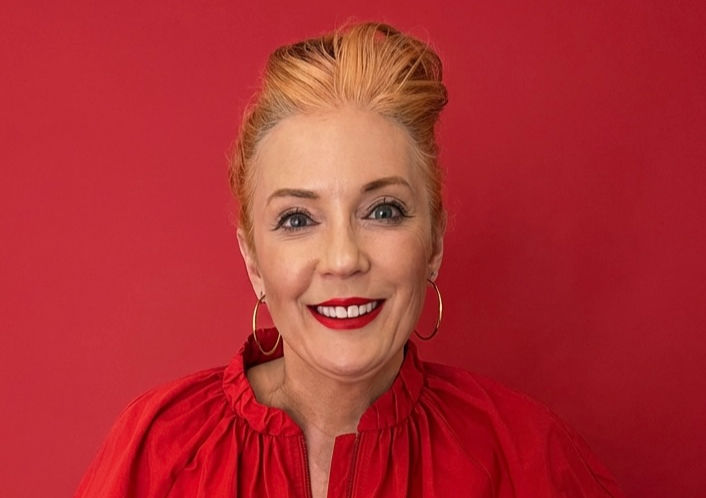
I’m Elizabeth Day, an RTT Therapist and Coach, and a domestic abuse survivor. Through my personal journey of escaping a narcissistic abuser, I’ve not only rebuilt my life but found a deeper sense of purpose in helping others do the same. In my work, I support individuals in breaking free from the psychological grip of narcissistic abuse and reclaiming their identity, confidence, future and freedom.
This article explores what narcissism is, the stages of narcissistic abuse, practical steps to minimise its effects, how Rapid Transformational Therapy (RTT) can support healing, and how you can build a new life and truly thrive after such an experience.
What is a narcissist?
A narcissist is someone who exhibits traits associated with Narcissistic Personality Disorder (NPD) or strong narcissistic tendencies. These individuals often display:
A deep need for admiration and validation
A lack of empathy for others
Manipulative or controlling behaviours. Frequently employing manipulative tactics like gaslighting, blame shifting, love bombing and creating a volatile ‘walking on eggshells’ environment
A fragile self-esteem masked by grandiosity. This usually manifests itself in them projecting a false image of who they are to hide their insecurities and behaviour.
In relationships, narcissists create an imbalance of power. They may initially appear charming and attentive, but this quickly shifts into control, criticism, and emotional harm and in many cases physical harm.
Daniel Goleman, a Psychologist, Harvard lecturer and best-selling author globally, has written and spoken extensively on narcissism and the relationship between them and the empaths they seek out. His work is enlightening on so many levels and explains every aspect not only of how the narcissist operates but how the dynamic works, what happens when the empath sees them for who they are and leaves and how to navigate this behaviour. His talks, many of which can be found on YouTube, are really educating and enlightening on this matter, as are his published books and articles.
The stages of narcissistic abuse
Understanding the cycle of narcissistic abuse is key to recognising what you’ve experienced and why it can feel so confusing and inescapable.
Idealisation (love bombing): At the beginning, you are placed on a pedestal. The narcissist showers you with affection, attention, and promises. It feels intense and intoxicating.
Isolation: They gradually and subtly distance you from your friends, family and support network. Causing issues, refusing to engage with them or placing themselves in the centre of your network and denigrating you to them.
Devaluation: Gradually, criticism, withdrawal, and emotional manipulation begin. You may feel like you are ‘walking on eggshells’ and trying to regain the person you first met.
Discard: The narcissist may abruptly end the relationship or emotionally withdraw, leaving you confused and devastated.
Hoovering: They may attempt to pull you back in with apologies, promises, or emotional appeals, restarting the cycle.
Instead of taking the blame for their behaviour or mistakes, a narcissistic partner or family member may project bad behaviours on to you. They use a manipulative tactic of shifting blame onto their victim, denying guilt and damaging their credibility. They accuse you of their own abusive behaviour or minimise their abuse by claiming they are overreacting. This is known as DARVO, which stands for Deny, Attack, Reverse Victim and Offender. This not only has the affect of absolving the abuser of any guilt or blame but also confuses and undermines your sense of reality.
A narcissistic abuser often exploits intimate knowledge of or sensitive information shared in trust to emotionally wound, control and deepen your sense of dependency on the abuser.
I lived through this cycle myself. It began as what felt like a deeply loving relationship, but became a pattern of control, emotional, physical and financial control and harm. It was extremely confusing. Breaking free required not just physical distance, but emotional and psychological untangling.
Ending the relationship is the hardest and often the most dangerous part. You really need help and support at this point from someone who understands this kind of narcissistic abuse. Talk to a professional and reach out to friends who can support you. It's hard to see a way out, and often, this is why people stay so long in these situations, having no financial autonomy, and fear of what they know the abuser will do when they do attempt to end these relationships. And it's important to understand that the narcissist will escalate the behaviour when you attempt to end the relationship, it's the most dangerous time.
Steps to minimise the effects of narcissistic behaviour
Healing begins with understanding and boundaries. Here are key steps to reduce the ongoing impact:
Establish no contact or low contact: Where possible, cutting off communication is essential. If you are not able to, for example, if you are co-parenting, strict boundaries are crucial. You will never win an argument with a narcissist or be heard by them or change their behaviour. You will just end up spending energy defending yourself and it gives oxygen to the narcissist. It's what they want. They want to draw you back in.
Rebuild your reality: Narcissistic abuse distorts your sense of truth. You question whether you are overreacting if things did really happen the way you perceived them. This is where establishing no contact helps give you the space for that. Therapy and talking to trusted people can help you reconnect with what is real. This is where RTT Therapy and coaching come into their own. Getting to the root cause of where and why these thoughts are embedded in your mind.
Recognise gaslighting: Understand that manipulation tactics like gaslighting are designed to make you doubt yourself. Naming them removes their power.
Strengthen boundaries: Learn to say no without guilt. Boundaries are not selfish, they are protective.
Prioritise nervous system regulation: Trauma lives in the body. Practices like breath work, meditation, and therapies like RTT or Somatic therapy help restore a feeling of calm and safety internally.
How RTT therapy can help
Rapid Transformational Therapy (RTT) is a powerful, solution-focused approach that works at the subconscious level to uncover and reframe limiting beliefs formed in our past. This is especially effective in rectifying and reframing the negative self-beliefs and warped sense of what’s real that have been established by an abuser.
After narcissistic abuse, many individuals carry beliefs such as:
I am not enough
I am unworthy of love
It was my fault
RTT helps to:
Identify the root cause of these beliefs
Reprogram the subconscious mind
Replace self-doubt with confidence and self-worth by reframing these beliefs and installing new positive ones
In my own healing, addressing these deeply ingrained beliefs was transformative. It allowed me to break free not just from the relationship but from the emotional patterns that kept me stuck. And that is the most important step to your new, successful life, freedom and happiness.
Steps to healing and rebuilding your life
Healing is not about returning to who you were before, it’s about becoming someone stronger, wiser, and more aligned with your true self.
Reconnect with your identity: Abuse often strips away your sense of self. Rediscover what you enjoy, what you value, and who you are outside of the relationship.
Release shame and self-blame: You are not responsible for someone else’s behaviour. Healing begins when you shift from self- blame to self-compassion.
Build a support network: Surround yourself with people who uplift and validate you. Healing does not happen in isolation.
Set future standards & clear boundaries: Use your experience to define what you will and will not accept moving forward.
Seek professional support: Therapeutic support can accelerate healing and help you process trauma safely. And RTT is particularly helpful in this process, as the name suggests, it is much more rapid in its effect than traditional forms of therapy.
Embrace growth and purpose: Your experience, while painful, can become a source of strength. Many survivors go on to help others, advocate, and create meaningful change as well as thriving and becoming successful in whatever it is they choose to do. Living life with no limits and no boundaries is available to anyone.
From surviving to thriving
Leaving a narcissistic relationship was one of the most difficult things I have ever done and the aftermath one of the most challenging in my life, but it was also the most empowering. My counsellor and advocate said to me before I left, when I was doubting I could do it, that yes, the journey would be hard, but it was a forward-moving journey to the possibility of a better, safer life, staying would mean remaining in a downward spiral that would not end well. Those words remain with me today and she was so right.
There was a time when I doubted myself, questioned my reality, and felt completely lost. Today, I stand grounded in who I am, running a practice that helps others reclaim their lives and living a happy, rich and fulfilling life. That transformation didn’t happen overnight, but it is possible.
You are not broken. You are not weak. You are someone who has endured, survived, and has the capacity to thrive because that has all made you able to withstand anything. Healing is not just about moving on, it’s about rising into a life that feels safe, authentic, and truly yours.
Read more from Elizabeth Day
Elizabeth Day, RTT® Therapist & Coach
Elizabeth Day specialises in working with women with trauma from abuse, burnout and limiting blocks to achieving their goals, building self-confidence and guiding them to reinvention and success. Her own background is one of abuse, having escaped a 30-year relationship with an abusive partner and rebuilt her life and reinvented herself. Her experience of working with corporates for over 25 years has led to her to use both this experience and her own trauma to heal and coach clients and achieve ultimate success.