Unlocking Peak Performance Through Cognitive Factors in Sports Psychology
Written by Valérie Leone, Fitness Coach
Valérie Leone serves as Personnel Selection Officer in the Canadian Armed Forces. She holds a master's degree in criminology, she co-found the South Shore Iron gym in 2019, and she is a dedicated powerlifting athlete. She has taken several other lifters under her wing and have helped them on their quest in strength sports.

In sports psychology, it is well known that athletic performance can be influenced by numerous cognitive factors. The way we perceive, understand, and react to various information is regulated by these complex mental processes. Attention, reasoning, motivation, and emotions impact how we perceive situations and act in line with our goals. These cognitive factors, when well-trained and developed, can give an athlete a significant advantage in training and competition.
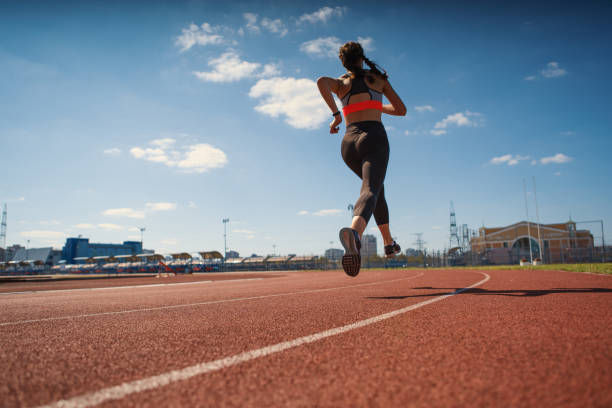
However, while elite athletes are considered to have strong emotional stability, they may also experience a debilitating fear of failure, negative emotions, and intrusive or irrational thoughts. These cognitive processes can significantly harm the athlete’s performance.
Breaking mental barriers
These mental barriers are part of cognitive theories related to stress and performance anxiety. Although studies on the effect of stress on sports performance are not consistent, one thing seems clear: when stress is perceived as uncontrollable, the athlete can experience a significant decline in performance levels, leading to a decrease in productivity and enthusiasm. Stress depends less on objective conditions than on the individual’s perception of the balance, or imbalance, between the demands placed on them and the resources they can mobilize. Stress is therefore shaped by emotional, cognitive, and social processes. It depends on how one copes with the situation. Thus, the same stressor will not have the same impact on different individuals, depending on their perception and individual regulation abilities.
That said, perceived control is divided into two dimensions: perceived personal competence and perceived outcome contingencies.
On the one hand, if an athlete focuses on past mistakes or constantly anticipates failure, they will enter a cycle of negative thoughts, leading to a "self-fulfilling prophecy," where the athlete firmly believes they will fail. They will ultimately fail due to their lack of confidence and insufficient mental preparation.
On the other hand, athletes who believe results are based on luck interpret their anxiety symptoms more debilitatingly than those who emphasize their skills. From this perspective, stress management focuses on the individual and their personal ability to cope with events. Since stress arises from the individual’s assessment of the situation, they must learn to change their way of viewing things. In other words, “it’s all in the mind.”
Mastering the mind: How mindfulness enhances athletic performance
So, how can an athlete develop more adaptive cognitive processes that positively affect their performance? Numerous practices have been identified, such as visualization, meditation and relaxation techniques, and maintaining focus on what can be controlled. However, one method has gained unanimous support: mindfulness. The main idea behind this practice is to help athletes be more present, manage stress, and optimize concentration, which can lead to better performance. Mindfulness meditation is based on two fundamental principles:
Present-moment awareness: Focusing on the here and now, becoming aware of what is happening around us, what we feel, and what we think, without distraction or anticipation.
Acceptance without judgment: Welcoming thoughts, emotions, and sensations as they arise, without labelling them as good or bad. It’s simply about observing them.
Unlocking potential: How mindfulness boosts sports performance
Here are a few ways mindfulness can positively impact sports performance:
1. Sharper focus and more effective management of stress and negative thoughts
During competitions, distractions can be our worst enemy. Mindfulness helps athletes stay grounded in the present moment with sustained attention, blocking out negative thoughts like doubt or fear of failure. After a performance, mindfulness allows athletes to better observe their thoughts without automatically reacting. For example, an athlete can become more aware of negative thoughts and let them pass without being overwhelmed by them, which is an asset in maintaining a positive mindset.
2. Better pain management and stronger psychological resilience
Regular mindfulness practice can make physical pain more tolerable by developing a better relationship with it. As mentioned by the Arthritis Society of Canada, this technique helps redirect attention to painful areas, reframing the sensations and negative emotions associated with them. While mindfulness cannot eliminate pain, it can change the way we respond to it. Athletes who practice mindfulness can better cope with adversity, whether it’s a loss, injury, or poor result. By being less affected by their emotions, they can bounce back more quickly.
3. Increased engagement in training
An athlete can adapt and improve the effectiveness of their training by becoming more aware of their body. Mindfulness fosters greater contextual awareness, which can enhance athletes' ability to maintain focus on relevant tasks while not neglecting other potentially important information.
Valérie Leone, Fitness Coach
Valérie Leone is balancing her role as a Personnel Selection Officer in the Canadian Armed Forces with her academic achievements in psychology and criminology, along with operating the South Shore Iron gym in Montreal. Her background in psychology and criminology likely provides her with a unique perspective on the mental and emotional aspects of training, leadership, and personal growth. Her role in the Canadian Forces gives her a sense of discipline and resilience that undoubtedly influences her powerlifting career and the way she mentors others. Her mission: creating a space where others can not only pursue physical fitness but also find a supportive community to help them grow.