The Unseen Threads Of Generational Trauma
Updated: Oct 31, 2024
Yumna Zubi is a Clinical Psychologist and CEO of The Couch, a leading multidisciplinary practice in Johannesburg, South Africa. She specializes in advancing mental health care through innovative leadership and collaborative evidence-based treatments.

Generational trauma is something many of us experience without knowing its name. It’s not just a concept reserved for psychologists; it’s a reality that travels across generations, affecting our relationships, health, and how we navigate the world. This type of trauma, often called intergenerational trauma, refers to how the pain and unresolved wounds of distressing past events ripple through families and societies. Once we become aware of and understand these unseen threads, we can start to break the cycle and begin healing.

The whole person perspective
As Bessel van der Kolk states in The Body Keeps the Score, “Trauma is not just a mental health problem; it's a problem of the whole person.” This perspective shifts the focus from trauma being solely a psychological issue to something that impacts the body, emotions, and entire experience of life. Real recovery, therefore, must happen on multiple levels.
A legacy of pain
Trauma often functions like an invisible thread woven through family history from children to parents to great-grandparents and beyond. The brutal legacy of apartheid in South Africa, for example, serves as a reminder of how systemic violence leaves lasting marks on communities. Descendants of those affected by apartheid experience elevated rates of chronic disease, anxiety, and depression, all rooted in the stress of previous generations. Similarly, South Africa’s ongoing issues with inequality and crime reflect the lingering effects of generational trauma.
Recognising these deep-rooted issues helps us understand the scope of healing needed on both personal and societal levels.

Why ignoring trauma doesn’t work
Ignoring trauma is like stitching up an injury without cleaning it first. While the surface may seem healed, the infection festers below. Generational trauma works the same way. It may feel like the past is behind us, but unaddressed trauma lingers, creating dysfunctional patterns that affect how we live today and how future generations experience the world.
Trauma’s far-reaching effects
The descendants of Holocaust survivors provide another example of how trauma carries forward. While they didn’t experience the Holocaust directly, many still grapple with the emotional weight of their ancestors’ trauma, facing psychological challenges and altered stress responses. This transmission of trauma highlights the urgent need for awareness and healing, not just for those directly impacted but for their descendants as well.
Collective guilt and responsibility
Generational trauma affects not only victims but also those connected to historical systems of power. In Germany, the legacy of the Holocaust has led to a sense of collective guilt, making discussions about national pride and identity complex. This guilt often leads to a reluctance to openly display national pride, such as flying the national flag, and can suppress discussions about identity and history. Fear of being perceived as insensitive or nationalist fosters defensive reactions and avoidance of uncomfortable truths, which can stall reconciliation efforts and hinder meaningful engagement with the past. In discussing this, we open a dialogue both for those who suffered and those grappling with the burdens of historical trauma. Additionally, in post-apartheid South Africa, many white individuals experience "white guilt," creating defensiveness around addressing privilege and systemic injustice. Acknowledging these feelings allows for movement toward collective healing.
Stress and health across generations
Trauma doesn’t just affect mental health; it has many physical repercussions. In societies marked by generational trauma, like those affected by war or systemic oppression, higher rates of conditions like Alzheimer’s disease are often observed. Research shows that chronic stress, prevalent in societies marked by historical trauma, may contribute to the development of neurodegenerative diseases. This underscores the need to address trauma to improve overall health and well-being outcomes for current and future generations.
The workplace and generational trauma
Trauma extends beyond personal life and into the workplace. Many employees carry emotional burdens that impact their professional lives. By understanding and addressing generational trauma, workplaces can become more supportive environments. Consider these key steps for trauma-informed workplaces:
Creating trauma-informed workplaces: Prioritising mental health and providing resources helps employees cope with trauma. Training managers in trauma-informed practices fosters empathy and support.
Diversity, Equity, and Inclusion (DEI): Generational trauma intersects with DEI issues. Leaders who understand this can create inclusive policies that respect diverse employee backgrounds, building a more empathetic work culture.
Employee support programs: Offering counselling services, wellness programs, and flexible work arrangements can alleviate the stress that worsens trauma. These efforts improve employee well-being and productivity.
The brain’s adaptability
Neuroplasticity, the brain’s ability to reorganise itself, gives hope in trauma recovery. While trauma can change how our brains function, practices like therapy, mindfulness, and somatic healing can create new pathways for growth. This means that trauma doesn’t have to define someone’s life permanently. The potential for healing, learning and growth is always there.
Family systems and healing
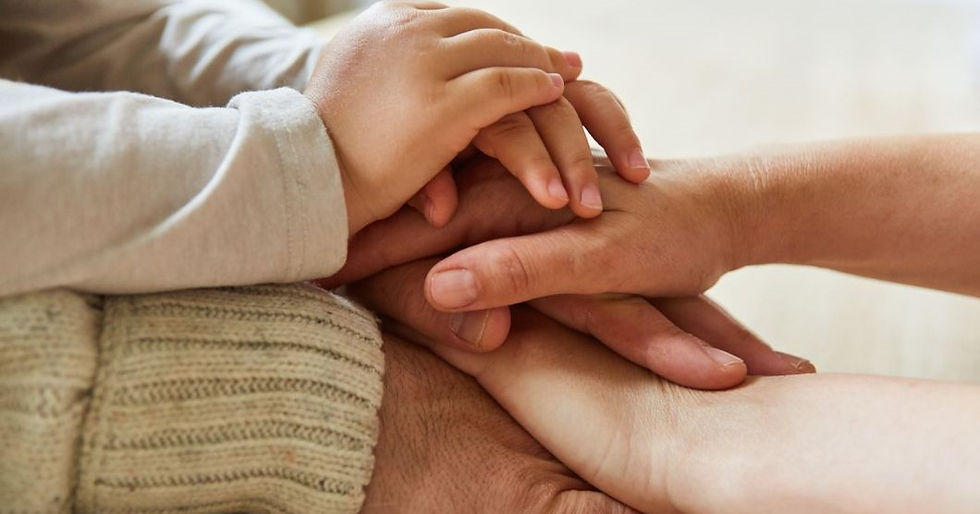
Family Systems Theory looks at how family dynamics influence individual behaviours. Trauma often plays out within families, shaping how members connect, communicate, and support one another. By understanding these dynamics, we can break cycles of dysfunction and move toward healthier relationships.
The strength in struggle
Post-traumatic growth (PTG) describes how individuals can experience positive change as a result of struggling with trauma. Holocaust survivors and post-apartheid communities in South Africa are examples of this resilience, using their experiences to advocate for human rights and social justice. These stories of growth highlight the potential for healing on both personal and collective levels.
A comprehensive approach
Addressing generational trauma requires a holistic approach that integrates biological, psychological, and social factors. Trauma isn’t just a personal issue; it’s a societal one that demands collective healing. Research in fields such as epigenetics shows that trauma can even alter gene expression, passing its effects down through generations. Healing, therefore, must consider both mind and body, and by coming together, we can create a ripple effect that encourages healing for future generations as well.

Taking action
To address generational trauma effectively, we can take the following steps:
Foster open dialogues: Create safe spaces for individuals to share their experiences. Organise workshops, media campaigns, and storytelling initiatives to amplify diverse voices and foster healing.
Cultural context: Recognize that different cultures approach trauma uniquely. By learning from these perspectives, we can create inclusive solutions that benefit everyone.
Child development and attachment: Trauma affects child development and attachment styles. Understanding the differences between different types of attachments can inform interventions that support healthy relationships.
Mind-body connection: Trauma manifests physically, not just mentally. Practices like yoga, mindfulness, and psycho-somatic therapies can help reconnect individuals with their bodies and promote healing.
Innovative therapeutic approaches: Activities like surfing and techniques like Trauma Release Exercises (TRE) provide creative outlets for trauma release and healing.
Community healing: Collaboration between psychologists, social workers, and community leaders can address generational trauma from multiple angles, creating pathways for collective healing.
Addressing historical and socioeconomic factors: Socioeconomic status, historical events, and access to resources shape trauma experiences. Recognising these factors encourages the provision of equitable support systems for those affected.
Healing from generational trauma is a collective endeavour that requires empathy, understanding, and action. When we recognize the influence of the past, we can free future generations from the weight of that legacy. Together, we can transform trauma into resilience, creating a future defined not by pain but by healing and growth.
Read more from Yumna Zubi
Yumna Zubi, Clinical Psychologist and CEO of The Couch
Yumna Zubi is a Clinical Psychologist and CEO of The Couch, a leading multidisciplinary practice in Johannesburg, South Africa. With over a decade of experience in private practice, she has established a reputation of ethical integrity, collaborative efforts, innovation and advocacy across academic, clinical and business spaces. Her commitment to transforming challenges into opportunities drives her work in business, leadership and mental health care, ensuring lasting healing, learning and growth.