The Power Of Active Recovery In The Workplace
Written by Delia Grenville, Coach, Speaker & Consultant
Delia Grenville, Ph.D., is the Founder and CEO of Slyn Consulting, where she’s spent over 25 years helping leaders and teams navigate the ups and downs of business and life. As a certified coach and host of the To Live List podcast, she’s all about real talk, growth, and making things happen.

As a first-time founder with a long career in corporate – from product management to operations and transformation – I’ve learned that sometimes we just need to press pause. I know. It feels like the last thing we have time for. Between backers, customers, and competition, it’s easy to get caught up in the constant “doing.” But there’s a big difference between staying busy and being productive.
I’ve noticed that even at the highest levels of leadership, we can easily fall into the trap of thinking we need to be hands-on all the time or constantly delegate. Let’s face it – how often have we silently said “next!” the minute we solve a problem, only to find ourselves right back in the thick of things?
Here’s the deal: not every break needs to be a full-on vacation. You can pause while you’re working.
What is active recovery?
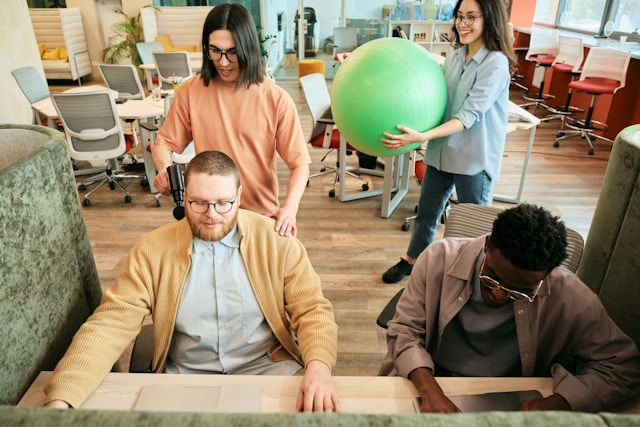
Active recovery at work is like an athlete’s recovery workout: purposeful, recharging, and strategic. Instead of seeing downtime as “catching up” or “slack time,” it’s about moving forward with intention. You’re still in motion, just not running at breakneck speed. Active recovery keeps you poised for your next big move.
So, how do you practice active recovery? Here’s how you can use those natural pauses in the workflow – when your partners are on a break or things are slow – to your advantage:
What is active recovery in the workplace?
The active recovery playbook
Identify the opportunity: When your upstream or downstream partners are on a planned break, downtime, or all-hands where you aren’t required, seize that moment. This is your chance to create space.
Protect your calendar: Guard your time like a hawk. This window is for recalibration and focus, so don’t let meetings sneak in. Keep your calendar clear and use this time intentionally. In the real world, you might not get the total amount of time you’ve reserved, and that’s okay. Take whatever time you do have and make the most of it.
Set your intentions: What do you want to get done during this time? Decide, but here’s the trick: give every task double the time you think it’ll take. The goal here isn’t to rush and check off boxes but to work thoughtfully and move forward meaningfully.
Move your body: Like athletes, leaders need physical movement, too. Whether taking a walk, stretching, or doing yoga, incorporating physical activity into your day can reset your mind and body. Plus, sometimes stepping away from the screen is when the best ideas pop up.
Leave space for creativity: Block off the bottom third of your day for something creative or a no-tech break. Use this time for activities like sketching ideas, journaling, brainstorming, or anything that allows your mind to wander. The best insights often come when we’re not glued to a task.
By the end of your active recovery, you’ll have a better grip on your workload, fresh ideas for your team, and be ready to dive back in at full throttle. This is workplace recovery at its finest – recharging without completely stopping and setting yourself up for better productivity and energy when things pick back up.
Supporting executives through key inflection points
As a strategic advisor and executive coach, I work with C-level executives and leadership teams to help them navigate crucial transitions and foster lasting success. My clients turn to me for sane, actionable ways to manage tricky inflection points while maintaining a sustainable pace that supports their well-being and business health.
If you’re looking for grounded, practical strategies to keep your leadership sharp and your team aligned through transitions, I’d love to help. Reach out to me by email or LinkedIn, and let’s explore how to position you and your organization for long-term success.
Visit my website for more info!
Delia Grenville, Coach, Speaker & Consultant
Delia Grenville is the Founder and CEO of Slyn Consulting, where she helps organizations cultivate inclusive and high-performing workplace cultures. With over two decades of experience at companies like Oracle and Intel, Delia brings a strategic and holistic approach to addressing complex organizational challenges. She holds a Ph.D. in Industrial and Systems Engineering and is a certified Integral Coach, blending technical expertise with a deep understanding of workplace dynamics. Delia is committed to fostering environments where leaders and teams can thrive.