

Supporting Children and Young People Through Grief
Written by Heather Higgins, Counsellor & Grief Coach
With extensive experience supporting people through grief and the professionals who work with them, Heather delivers practical, compassionate insights grounded in counselling, psychology, and emotional wellbeing. Her work focuses on helping individuals and organisations navigate grief with confidence and care.

Grief can be a confusing and overwhelming experience for anyone, but for children and young people, understanding and expressing grief can be particularly challenging. Children may not always have the words, emotional awareness, or understanding to communicate what they are experiencing, and their grief can look very different from what we might expect. They may appear withdrawn, angry, distracted, unsettled, or seemingly unaffected before returning to play or everyday activities. These changes can sometimes be misunderstood as behavioural difficulties rather than expressions of grief. Supporting a grieving child or young person is not about finding the perfect words or trying to take away their pain; it requires creating safety, connection, understanding, and space for them to grieve in a way that feels right for them.
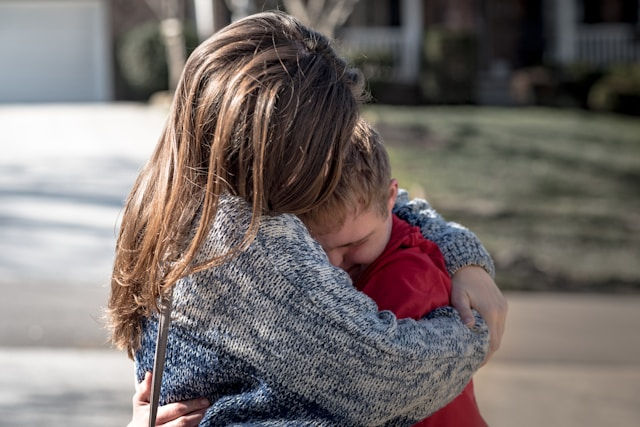
Understanding that children grieve differently
One of the most important things to understand about childhood grief is that there is no single way for a child or young person to grieve. Their response can be influenced by their age, developmental stage, relationship with the person who died, previous experiences of loss, family circumstances, and their understanding of death. A child may cry openly one moment and then return to playing or laughing shortly afterward. A teenager may withdraw from others, become irritable, struggle at school, lack concentration, or appear as though they simply want to be left alone. These responses do not necessarily mean that they are “not grieving”; they may simply be processing their loss differently. When adults understand that grief does not always look like sadness, they are better able to recognise when a child may need support.
Recognising the hidden signs of grief
Children and young people do not always have the emotional vocabulary to say, “I am struggling with my grief.” Instead, their emotions may be communicated through changes in behaviour. This might include becoming more withdrawn, angry, anxious, clingy, tearful, restless, distracted, or experiencing difficulties with sleep, concentration, memory, friendships, or schoolwork. Some children may also become particularly well-behaved or seem determined to keep everyone else happy, hiding their own emotions because they do not want to add to the adults’ worries or become “a burden”. Behaviour is communication, and when we look beyond what we can immediately see, we begin to understand what a child is trying to tell us.
Give children honest, age appropriate information
Adults sometimes avoid talking openly about death because they believe they are protecting children from additional pain. However, avoiding conversations or using vague language can sometimes create more confusion and uncertainty. Children benefit from clear, honest, age-appropriate explanations that allow them to understand what has happened and ask questions as they develop. Statements such as “gone to sleep” or “lost” can sometimes be confusing for younger children, particularly if they interpret language literally. It is important to create opportunities for questions and recognise that children may ask the same questions repeatedly as they process the information. All of this is normal. Honest, healthy conversations help build trust and reassure children that they are allowed to talk about what has happened.
Create safe spaces for grief
Children need to know that grief is something they are allowed to talk about, but they also need to know that they do not have to talk before they are ready. Creating a safe space means allowing emotions to be expressed without judgement and reassuring children that whatever they are feeling is okay. This might involve talking, drawing, writing, playing, looking at photographs, creating memories, or simply spending time together. For some children, conversation may feel too direct, and creative or play-based activities can provide a more comfortable way of expressing emotions. The goal is not to force a conversation but to make sure the door remains open whenever they are ready to walk through it.
In my book Guided By Grief: From Parental Loss to Professional Purpose, I reflect on my own experience of grieving as a child, both how it felt at the time and how I understand that experience differently now as an adult and counsellor supporting children and young people. I hope sharing this perspective offers some insight into what it can feel like for a child to experience a loss they have little understanding of and why support does not always need to begin with therapy.
10 practical ways to support a grieving child or young person
Supporting a grieving child is not about having all the answers. Small, consistent actions can help children feel safe, understood, and connected while they adjust to life after loss. Every child is different, and there is no ‘one size fits all’ way of supporting them, but here are some simple approaches that can make a meaningful difference:
Listen without judgement: Give children opportunities to talk about their feelings without immediately correcting, reassuring, or trying to make things better. Sometimes, they need someone to simply listen and acknowledge what they are experiencing.
Use honest and simple language: Avoid language that could create confusion, and allow children to ask questions, even when those questions feel difficult or uncomfortable to answer. By modelling open and honest conversations about death and bereavement, we can show children that these are not topics they need to fear or avoid. When adults demonstrate that it is okay to talk about loss, children are more likely to learn that their own thoughts, questions, and emotions are also safe to share.
Reassure them that their feelings are normal: Children might experience feelings such as sadness, anger, guilt, fear, confusion, relief, or even moments of happiness while grieving. Reassuring them that different emotions can coexist can help reduce the fear that they are grieving “wrong.”
Maintain routine where possible: Familiar routines can provide children with a sense of safety and stability during a period when so much may feel uncertain. Maintaining school, activities, friendships, hobbies, and everyday routines can provide moments of normality without suggesting that they should simply “move on.”
Give them choices and control: Loss can make children feel as though many things are happening beyond their control. Offering small choices, such as whether they want to talk, what activity they would like to do, or whether they want to participate in remembrance activities, can help restore a sense of control.
Keep the conversation open: Grief does not disappear after the funeral, and children may continue to have questions months or even years later. Let them know that they can continue talking about the person who died and that there is no expiry date on their grief.
Remember that play is important: Children may move between grief and play very quickly. This is not necessarily avoidance. Play can provide a natural way for children to regulate emotions, process experiences, and experience moments of normal childhood.
Remember significant dates: Birthdays, anniversaries, holidays, and milestones can bring grief to the surface again. Acknowledging these dates can help children feel that their loved one has not been forgotten and that it is okay if difficult emotions return.
Involve the child in decisions about support: Whenever appropriate, give children a voice in how they would like to be supported. Asking what helps, what feels difficult, and who they feel comfortable talking to can help them feel heard and respected.
Know when additional support may be helpful: Many children and young people may benefit from additional support while experiencing grief, and creating a culture where asking for help is viewed as a strength can make it easier for them to access that support when they need it. Wherever possible, involve children and young people in conversations about the support available to them and include them in decisions about what might feel helpful. Continue to check in with them regularly, rather than assuming that starting counselling means they no longer need support from the people around them. If a child or young person is attending counselling, they may not always want to share the details of what they discuss with their counsellor, and that is okay. Having a safe, confidential space where they can speak openly can be an important part of the therapeutic relationship.
As adults, our role is not necessarily to know everything that is discussed in counselling, but to respect their privacy while remaining available and supportive. If a counsellor has concerns about a child’s safety or wellbeing that need to be shared, they will follow the appropriate professional and safeguarding procedures and communicate with those who need to know. Ultimately, knowing that they have both a safe professional space and trusted adults around them can help a child feel supported without feeling pressured to talk before they are ready.
Supporting the adults who support them
Supporting a grieving child can be emotionally challenging, particularly when the adults around them are grieving too. Parents, carers, teachers, and professionals may feel pressure to remain strong while simultaneously trying to support a young person through their loss. However, adults do not need to hide every emotion to protect children. Seeing trusted adults honestly acknowledge their own feelings in an appropriate and safe way can actually help children understand that grief is something we can talk about. At the same time, children should not feel responsible for managing the emotions of the adults around them. Supporting the adults is therefore an important part of supporting the child.
Creating a more grief-informed childhood
If we want children and young people to grow into adults who feel comfortable talking about grief, we need to start those conversations early. Grief is not something children need to be protected from at all costs; they need age-appropriate support, honest information, emotional language, and safe adults who are willing to sit alongside them. When we teach children that emotions are not something to fear or hide, we help develop emotional literacy that can support them through future experiences of loss and change. Creating grief-informed families, schools, and communities means giving children permission to ask questions, express difficult emotions, remember the people they have lost, and understand that they do not have to grieve alone.
Creating change through conversation
Supporting a grieving child does not require us to have all the answers. It requires us to be willing to listen, remain curious, and create spaces where grief can be spoken about without fear or judgement. The conversations we have with children today can influence how they understand loss, emotions, and support throughout the rest of their lives. By becoming more comfortable talking about grief, we can help create a future where children and young people are not left to make sense of loss in silence but are surrounded by adults and communities who understand how to support them.
If this article has resonated with you, you may also enjoy my article, Why Conversations About Grief Matter More Than Ever, where I explore the importance of creating more open and compassionate conversations around grief, or Supporting Grief vs Trying to Fix It, where we explore the difference between trying to take away someone’s pain through grief and being there for them in a person centred way, and the difference this can make to their grieving and healing process.
You can also read my interview, How Parental Loss Shaped My Work With Grief, which explores the personal experiences that influenced my professional work supporting people through loss. My book, Guided by Grief: From Parental Loss to Professional Purpose, explores my own experience of parental loss alongside the professional journey that followed. I also share practical grief education, reflections, and support through my Instagram community at @HeatherHiggins_GriefSupport.
Whether you are a parent, carer, teacher, counsellor, school, or organisation supporting children and young people through grief, starting the conversation can be one of the most important steps you take. We may not be able to remove a child’s pain, but we can help ensure they never feel that they have to carry it alone.
I provide grief education workshops designed to support those working with and caring for children and young people, helping build confidence, understanding, and practical skills when responding to grief and bereavement. If you would like to find out more about my workshops or discuss how grief education could support your school, organisation, or team, please feel free to send me a direct message on Instagram or email me here.
Read more from Heather Higgins
Heather Higgins, Counsellor & Grief Coach
Heather is a grief specialist, counsellor, author and facilitator with extensive experience supporting children, young people, adults and the professionals who care for them. After losing both parents at a young age, she now uses her lived experience to support others through bereavement. Her work focuses on helping individuals and organisations better understand grief, loss, and emotional resilience through practical, compassionate approaches. Through her writing and teaching, she aims to make conversations around grief more informed, accessible, and human.







