Struggling With CPAP? You’re Not Alone, There May Be Other Options
Updated: Feb 16
Written by Tiffany Ludwicki, Health Coach
Tiffany Ludwicki is well-known when it comes to Snoring and sleep issues. She is the founder of Mind Body Mouth and the Stop Snoring Solution (an online and virtual program)

Most people don’t stop using CPAP because they don’t care about their health.They stop because something about it feels impossible to live with night after night, breath after breath. For many adults diagnosed with obstructive sleep apnea, continuous positive airway pressure (CPAP) therapy is the first treatment they encounter. For some, it brings noticeable relief. For others, it becomes a nightly source of frustration: uncomfortable masks, disrupted sleep, dry mouth, anxiety, or the sense that rest now depends entirely on a machine.
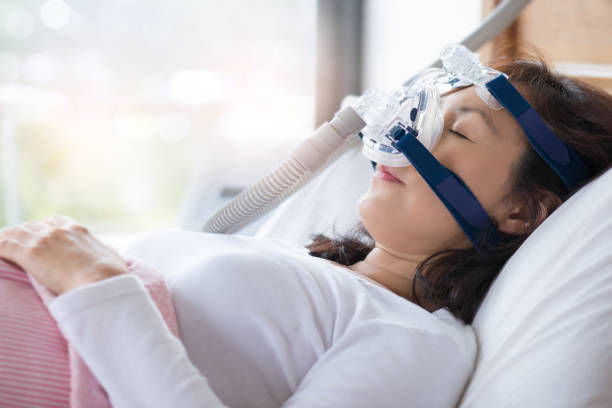
If CPAP has felt difficult, discouraging, or unsustainable… you are not alone. Difficulty tolerating CPAP is common, and it does not mean treatment has failed or that you have done something wrong. It often means your body needs additional support beyond air pressure alone.
When CPAP feels harder than it should
CPAP is designed to hold the airway open during sleep, reducing pauses in breathing. While this approach is effective for many people, it does not address why the airway collapses in the first place. As a result, some individuals struggle with:
Mask discomfort or pressure intolerance
Persistent dry mouth or sore throat
Jaw tension or facial discomfort
Fragmented sleep despite consistent use
Difficulty maintaining long-term compliance
Over time, frustration can build. Sleep may begin to feel like a chore rather than something restorative, increasing stress around bedtime and making sleep and CPAP compliance even harder.
Sleep apnea is more than an airway problem
Sleep-disordered breathing is influenced by more than anatomy alone. Muscle tone, tongue position, breathing habits, posture, and nervous system regulation all play a role in how stable the airway remains during sleep.
In many adults with sleep apnea or snoring, the tongue rests low in the mouth and the lips remain open at rest, especially during sleep. These patterns can reduce upper airway stability and contribute to collapse, even when a CPAP device is used correctly.
This is where a more functional perspective becomes helpful. Supporting the muscles involved in breathing can complement medical treatment and, in some cases, reduce reliance on external devices.
How myofunctional therapy supports breathing during sleep
Myofunctional therapy focuses on retraining the muscles of the tongue, lips, jaw, and face to support healthier breathing patterns. Rather than replacing medical care, it addresses the functional habits that influence airway behavior during sleep.
Therapy typically includes:
Establishing consistent nasal breathing
Improving tongue posture at rest and during sleep
Developing a relaxed, functional lip seal
Reducing unnecessary tension in the jaw and face
Supporting coordination between breathing and posture
These changes aim to improve airway stability from within, rather than relying solely on external pressure to hold the airway open.
CPAP and myofunctional therapy
It is important to be clear: CPAP remains a standard and often necessary treatment for moderate to severe obstructive sleep apnea.
However, many adults benefit from a combined approach. When breathing patterns and muscle function improve, individuals may find that:
CPAP feels more comfortable and tolerable
Mouth breathing decreases
Snoring and nighttime restlessness lessen
Sleep feels deeper and more restorative
For some, therapy becomes a supportive adjunct to CPAP. For others, particularly those with mild sleep apnea or significant functional contributors, it may play a more central role under medical guidance.
Considering cost, comfort, and long-term care
CPAP therapy often involves ongoing expenses, including equipment replacement, supplies, and maintenance. When compliance is low, these costs can feel especially burdensome.
Myofunctional therapy on the other hand, is about addressing contributing factors early and sustainably. By improving breathing mechanics and muscle coordination, therapy can alleviate symptoms and provide lasting results that carry over into improved daily function. For those already invested in CPAP, myofunctional therapy may help support long-term dependence on devices by improving their comfort and effectiveness when they are needed.
When to explore additional support
If CPAP use feels consistently difficult or ineffective, it may be worth exploring whether functional breathing and facial muscle patterns are contributing to the challenge. Signs that additional support could be helpful include:
Persistent mouth breathing during sleep and waking hours
Ongoing snoring despite CPAP use
Jaw pain, clenching, or facial tension
Waking unrefreshed or fatigued
Difficulty tolerating masks or pressure
A collaborative approach involving medical providers, dental professionals, and myofunctional therapists can help clarify next steps.
Final thoughts
Struggling with CPAP does not mean you are failing treatment. Sleep apnea is complex, and effective care often involves more than one approach. Supporting how your body breathes, rather than focusing only on airflow, can open the door to better sleep and greater comfort.
Myofunctional therapy offers a supportive, non-invasive option for addressing the functional side of sleep-disordered breathing, working alongside medical care to help make rest feel more natural again.
If this feels familiar, working with a trained myofunctional therapist can provide clarity, structure, and a sustainable path forward. Here are some quick links to help determine if your CPAP struggles can be mitigated.
Discover why you may snore or have sleep apnea by completing this assessment: 5 Steps to Help Tired Adults Discover Why They Snore… And How to Get a Healthy Night’s Sleep without Disturbing Their Loved Ones
Book a Snoring Assessment call with a professional Myofunctional Therapist.
Visit Mind Body Mouth for more information.
This article reflects current interdisciplinary perspectives on sleep-disordered breathing, oral function, and airway stability, informed by clinical education and research-based resources, including Mind Body Mouth.
Read more from Tiffany Ludwicki
Tiffany Ludwicki, Health Coach
Tiffany Ludwicki is a leader in sleep performance. A history of snoring and memory loss combined with a child born with airway issues, Tiffany created strategies to dramatically improve their sleep quality. She has since dedicated her life to helping others unleash the snoring beast within to find peace throughout the night and optimize their potential throughout the day. She is the founder of Mind Body Mouth and the Stop Snoring Solution, an online program with virtual group coaching to assist others in stopping snoring and reducing sleep apnea events. Her mission is to spread awareness of the dangers of snoring and through snoring cessation, improve people's energy and reduce their risk for chronic disease and divorce.