

It’s Okay Not to Be Okay – Why Struggling Doesn’t Mean Failing
Written by Sam Mishra, The Medical Massage Lady
Sam Mishra (The Medical Massage Lady) is a multi-award winning massage therapist, aromatherapist, accredited course tutor, oncology and lymphatic practitioner, trauma practitioner, breathwork facilitator, reiki and intuitive energy healer, transformational and spiritual coach, and hypnotherapist.

In a world that constantly celebrates happiness, strength, and success, admitting that we are not okay can feel like an act of rebellion. From social media feeds filled with smiling faces to motivational quotes urging us to “stay positive,” society often sends a silent but powerful message that to be emotionally or mentally unwell is to be weak, broken, or failing. Yet the truth could not be further from that perception. To be human is to experience a vast range of emotions, joy, sadness, fear, anger, hope, and despair, and none of these feelings are permanent. The phrase “It’s ok not to be ok” reminds us that struggling, hurting, or feeling lost does not make us less worthy or less capable. Instead, it affirms our humanity.
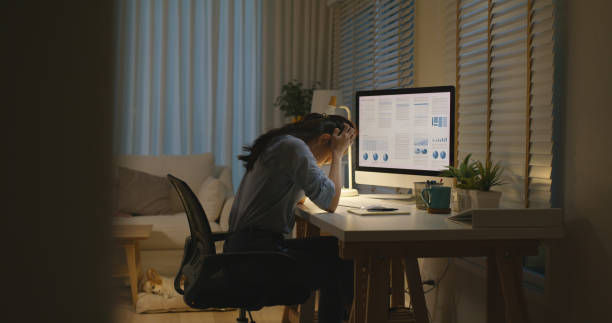
The simple statement “It’s ok not to be ok” has evolved into a social and emotional movement, a pushback against the unrealistic expectation of constant happiness. It encourages authenticity and vulnerability, inviting people to share their struggles and normalize mental health conversations. At its core, it is an expression of compassion, both for ourselves and for others. It challenges the social stigma that often keeps people silent about their pain and suggests that healing starts when we allow ourselves to acknowledge what we feel.
Recognizing that it is okay not to be okay also deepens our understanding of resilience. True resilience is not about pretending that everything is fine, it is about enduring the struggle, acknowledging pain, and still finding a way to move forward. Many people mistakenly believe that being strong means never breaking down, but strength lies in the courage to face emotions honestly and seek help when needed. Accepting that emotional discomfort is natural frees us from guilt and shame, two emotions that can deepen suffering if left unchecked.
This mindset is particularly significant in today’s world, where stress, anxiety, and depression are increasing globally. The modern lifestyle, with its demands for productivity, constant connectivity, and social comparison, often leads to emotional exhaustion. More people than ever before feel pressured to appear stable even when internally they are battling storms. Learning to say, “I’m not okay right now, and that’s okay,” is an essential step toward genuine well-being. It validates the human experience and nurtures a culture of empathy, where imperfections and struggles are accepted as part of life’s tapestry.
The pressure to always be “okay”
Modern society often glorifies strength, independence, and positivity. There is an unspoken expectation that people should maintain a cheerful and put-together facade, no matter what they are going through. From a young age, children are told to “stay strong” or “don’t cry,” messages that subtly teach emotional suppression rather than emotional understanding. By adulthood, many internalize the belief that showing pain or admitting sadness is a sign of weakness. This cultural conditioning makes it incredibly difficult for people to be open about their struggles, even with close friends or family.
Part of the pressure to appear “okay” stems from how the world measures value and success. In workplaces, academia, and even personal relationships, being “fine” has become synonymous with being functional and capable. When someone admits to being “not okay,” it is often misunderstood as being unproductive or unstable. Consequently, countless individuals go through their daily lives wearing emotional masks, smiling externally while battling silent wars within themselves. This constant performance is exhausting, leading to emotional burnout, anxiety, and in some cases, depression.
The digital age intensifies this pressure. Platforms like Instagram, TikTok, and Facebook often showcase carefully curated versions of reality, flawless photographs, career achievements, relationship highlights, and personal milestones. Rarely do we see the behind-the-scenes struggles, the loneliness, failure, or mental exhaustion that people endure. This gap between appearance and reality fosters comparison. We begin to measure our lives against others’ highlight reels, believing that everyone else is happier, more stable, and more successful. The result is a culture where people feel compelled to hide their pain and pretend that everything is going well, just to “fit in.”
The problem with this illusion is that it invalidates pain. When people suppress or dismiss their emotions to maintain appearances, they deny themselves the chance to heal and grow. Emotional well-being requires acknowledgment, not avoidance. Pretending to be okay when we are not creates internal conflict, a battle between the truth of what we feel and the image we project. Over time, this dissonance can harm mental health, leading to feelings of isolation and shame.
The phrase “It’s ok not to be ok” directly confronts this toxic positivity. It rejects the notion that only happiness and success are acceptable states of being. Instead, it grants people permission to be real, to express grief, confusion, anger, and fear without judgment. It is a reminder that every emotion has value and that acknowledging pain does not diminish personal strength. In fact, it is the first step toward genuine healing.
When society collectively embraces this idea, it becomes safer for individuals to speak openly about mental health. People no longer have to suffer in silence or pretend to be fine. Removing the expectation to be perpetually “okay” allows for authentic human connection, relationships built on empathy rather than perfection. Ultimately, recognizing that we do not have to be fine all the time makes us more compassionate, both toward ourselves and toward others.
Understanding emotional struggles
To truly embrace the idea that it’s okay not to be okay, we first need to understand what emotional struggles are and why they occur. Emotional struggles are a natural part of being human, responses to life’s challenges, losses, disappointments, and uncertainties. They are not flaws or failures; they are indicators that something meaningful is happening within us. Pain often signals that we care deeply, that we have hopes, dreams, or values that matter. When we experience sadness, grief, or fear, it is our mind’s way of processing unmet expectations, loss, or threats to our sense of safety and belonging.
For some, emotional struggles stem from identifiable events, such as the loss of a loved one, the end of a relationship, or the pressure of financial difficulties. For others, they arise from more subtle sources, including chronic stress, loneliness, or unresolved past trauma. Sometimes, emotional pain does not have a clear reason at all, and that uncertainty can intensify the struggle. In many ways, this ambiguity is one of the hardest parts of emotional suffering, not knowing why we feel the way we do or how long it will last. But just like physical pain, emotional pain has purpose. It signals that attention, compassion, and care are needed.
Biologically and psychologically, humans are wired for emotional ups and downs. The brain’s chemistry fluctuates, hormones shift, and life circumstances constantly evolve. It is unrealistic to expect perpetual calm or happiness when the human experience itself is dynamic and ever changing. Stress, fear, and sadness are part of our evolutionary design, survival mechanisms that help us adapt and grow. Without discomfort, there would be no learning or transformation. Emotional pain often precedes meaningful change, it pushes us to reflect, re-evaluate, and sometimes start anew.
However, understanding struggles does not make them easier to endure. When emotions like anxiety or depression take hold, they can distort perception, making the world feel bleak and hope seem distant. During such times, simple tasks may feel impossible, and self-criticism may replace self-compassion. This is where awareness and acceptance become crucial. Recognizing that distress is a natural response, not a personal failure, can release some of the shame that keeps people stuck in their suffering. It reframes emotional pain as part of the journey rather than a detour from it.
Cultural and societal attitudes also influence how we understand emotional struggles. In some communities, discussing mental health remains taboo. Phrases like “snap out of it” or “just be positive” still circulate, implying that emotional pain is a matter of choice or willpower. Such misconceptions silence those who are suffering and delay help-seeking behaviour. Education and open discussions are powerful tools to combat this stigma. When mental health is treated with the same seriousness as physical health, people begin to see emotional challenges as normal and treatable, not as signs of inadequacy.
Ultimately, to understand emotional struggles is to recognize that these experiences connect all human beings. No one is immune to hardship, and no one exists in a constant state of contentment. Realizing this creates empathy. When we see our struggles not as isolated weaknesses but as universal experiences, we stop hiding behind facades. We become free to share, to support, and to heal together.
The importance of vulnerability and acceptance
One of the most profound steps toward emotional well-being is learning to embrace vulnerability. In a world that often rewards strength, self-assurance, and composure, admitting that you are not okay can feel like a personal failure. Yet the truth is quite the opposite. Vulnerability is not weakness, it is the courageous act of being honest with yourself and others about your emotions, struggles, and needs. When we suppress our pain or hide our insecurities, we detach from reality and deny ourselves the healing that comes from genuine human connection.
The power of being real
Vulnerability allows authenticity to thrive. When people are open about what they are going through, they break the illusion that everyone else has life perfectly figured out. Social media, workplace culture, and even family dynamics often push narratives of constant happiness and productivity. Beneath those polished surfaces, nearly everyone experiences uncertainty, loss, and disappointment. When someone chooses to share their true feelings openly, it creates a ripple effect. Others feel seen and safe to open up as well. This cycle of authenticity fosters empathy and belonging, two essential ingredients for psychological resilience.
Consider, for instance, the way friendships deepen after one person opens up about a difficult experience. The moment someone admits, “I’ve been struggling lately,” walls come down on both sides. The relationship transitions from one built on appearances to one built on understanding. Being honest about our pain enables us to connect on a deeply human level, dismantling the pressure to appear perpetually happy or strong.
Acceptance as a path to healing
Hand in hand with vulnerability comes acceptance. Acceptance does not mean resignation or passivity. It means acknowledging what is true in the present moment without judging yourself for it. It means saying, “I feel sad,” or “I feel anxious,” and allowing those emotions to exist without immediately labelling them as bad or trying to push them away.
Many people internalize the idea that negative emotions are signs of failure and that happiness should be the default state at all times. This belief only compounds suffering. When we fight our emotions, they often intensify. When we acknowledge them, we can process and release them more effectively. Acceptance frees us from the exhausting battle of pretending to be okay when we are not. It opens the door to genuine healing.
Mindfulness practices often emphasize this kind of non-judgmental awareness. By observing our thoughts and emotions with curiosity rather than criticism, we begin to understand that they are temporary experiences, not permanent definitions of who we are. Through acceptance, pain becomes a teacher rather than a nemesis. It reveals truths about what we need, what we value, and where we have room to grow.
Why society fears vulnerability
The aversion to vulnerability is deeply rooted in cultural ideals. Many societies equate strength with stoicism, the ability to hide one’s pain and carry on regardless of inner turmoil. From childhood, people are often told to “toughen up,” “hold it together,” or “don’t cry.” These messages reinforce the notion that emotional expression is a weakness to be overcome.
However, vulnerability requires far greater strength than repression ever could. It takes courage to admit uncertainty in a culture that rewards confidence. It takes bravery to seek help when independence is idolized. Slowly, as more voices in media, education, and healthcare emphasize the importance of emotional openness, these outdated ideals are beginning to erode. Vulnerability is being redefined, not as fragility, but as a cornerstone of emotional intelligence and growth.
The transformation of self through vulnerability
When individuals embrace vulnerability, they gain deeper self-knowledge and empathy. Being honest about one’s emotions encourages introspection. What am I feeling? Why am I feeling this way? What might I need to feel safe or supported? This increased awareness can change the way people navigate conflicts, make decisions, and engage with others. Vulnerability teaches compassion, not only for others, but also for oneself.
Most importantly, acceptance and vulnerability remind us that it is perfectly human not to be okay all the time. Instead of striving for an unrealistic state of constant positivity, we can learn to embrace life’s full emotional spectrum. Joy and sorrow, confidence and doubt, peace and turmoil all coexist within the human experience. Recognizing that fact allows us to live more authentically and with greater emotional depth.
Society’s changing view on mental health
Over the past few decades, the global conversation about mental health has shifted dramatically. Once shrouded in stigma and silence, mental health challenges are now more widely acknowledged as integral to overall well-being. This change did not happen overnight. It is the result of persistent advocacy, education, and personal storytelling that have deconstructed myths about emotional struggle.
From stigma to conversation
Historically, people were discouraged from discussing mental health openly. Depression and anxiety were often dismissed as personal weaknesses rather than medical or psychological conditions. The rise of industrial and performance-driven societies reinforced the expectation that individuals must be perpetually productive, downplaying the legitimacy of emotional distress.
However, in recent years, public figures, medical experts, and mental health organizations have expanded awareness through campaigns, social media movements, and education programs. Phrases like “It’s okay not to be okay” have entered the mainstream lexicon, encouraging people to acknowledge their struggles without shame. Television, film, and literature have also played a role by portraying mental health issues with greater nuance, normalizing conversations that were once taboo.
The role of technology and social media
Technology has played both a constructive and challenging role in shaping society’s perception of mental health. On one hand, social media has created spaces where people can find solidarity. Online communities centered around mental health awareness provide support, education, and empathy for those who may feel isolated. Campaigns such as hashtags – BellLetsTalk, EndTheStigma, and MentalHealthAwarenessMonth amplify voices that used to be silenced, helping people recognize that their experiences are valid.
On the other hand, social media can perpetuate unrealistic comparisons and emotional exhaustion. Constant exposure to curated images of “perfect” lives fosters insecurity and inadequacy. This paradox underscores the importance of media literacy and emotional boundaries, understanding that what we see online is often a highlight reel, not a total picture.
Despite these complexities, the overall trend shows progress. Society is moving away from the idea that mental struggles indicate brokenness. Instead, there is growing recognition that mental health, like physical health, exists on a spectrum. Everyone experiences fluctuations, and seeking support is a normal and responsible step toward self-care.
Workplace and institutional shifts
Another significant development is the growing prioritization of mental health in workplaces, schools, and public policy. Many companies have introduced wellness programs, counselling resources, and mental health days, acknowledging that employee well-being directly impacts productivity and engagement. Educational institutions are investing in counselling centres and mental health education to equip students with coping skills early in life.
Governments and non-profit organizations are also investing more in mental health resources, expanding access to therapy, helplines, and awareness initiatives. While inequities and gaps still exist, the fact that mental health is now part of global policy conversations marks a monumental cultural shift.
Redefining strength in modern society
Perhaps the most significant transformation has been the redefinition of what it means to be strong. Strength is no longer measured solely by one’s ability to avoid falling apart. It is increasingly associated with vulnerability, honesty, and empathy. Celebrities, athletes, and leaders who speak candidly about their mental health are helping to dismantle the myth that success and suffering cannot coexist. This redefinition has created a cultural climate where people feel freer to ask for help, recognizing that doing so is a sign of self-awareness and courage, not defeat.
Support yourself and others, and create a culture of care
Breaking the cycle of silence around emotional struggles is only one part of the journey. It is equally important to know how to nurture yourself and others when facing difficult times. Supporting mental health involves both internal practices, such as cultivating self-compassion, awareness, and balance, and external ones, including building supportive relationships and advocating for community understanding.
At a larger scale, fostering emotional health is a communal effort. Families, schools, organizations, and communities can all contribute by encouraging openness, education, and access to resources. When emotional conversation becomes normalized, fewer people feel forced to hide behind masks of composure. Community-based mental health programs, peer networks, and inclusive spaces offer people a sense of belonging, especially during times of isolation.
Supporting mental health collectively also means challenging cultural attitudes that glorify burnout, emotional suppression, and competition. We must celebrate rest, empathy, and asking for help with the same enthusiasm that we celebrate achievement. A culture of care thrives when vulnerability is met not with judgment, but with understanding.
Conclusion
To say, “It’s okay not to be okay,” is not simply a comforting phrase. It is a radical act of acceptance in a world that often denies emotional complexity. It is a reminder that life is not a continuous upward climb, and that moments of pain, doubt, and confusion do not make us broken. They make us human.
Vulnerability and acceptance are powerful because they challenge the myth that strength means stoicism. By embracing our feelings, we cultivate resilience, empathy, and authenticity. Society’s growing awareness of mental health reminds us that no one is alone in their struggles. Conversation, education, and community have started to dissolve long-standing stigma, but the journey toward universal emotional wellness continues.
Supporting ourselves and others requires compassion, patience, and courage, the courage to listen, to speak honestly, and to show up even when words fall short. It means valuing self-care not as indulgence, but as maintenance for the soul. It also means recognizing that healing is not a destination, but an ongoing practice of understanding and acceptance.
In the end, acknowledging that it is okay not to be okay gives us permission to live truthfully. It teaches us to find peace not in perfection, but in presence. It invites us to be tender with our wounds and gracious with our growth. By accepting the full range of our emotions, joy, fear, sadness, and hope, we reclaim our wholeness.
As individuals, communities, and a society, the more we embrace this truth, the closer we move toward a world where no one feels ashamed for having a heart that feels deeply. Only then can we say, in the most authentic sense, that it is truly okay not to be okay, and that perhaps, within that acceptance, lies the deepest form of being okay after all.
Read more from Sam Mishra
Sam Mishra, The Medical Massage Lady
Sam Mishra (The Medical Massage Lady), is a multi-award winning massage therapist, aromatherapist, accredited course tutor, oncology and lymphatic practitioner, trauma practitioner, breathwork facilitator, reiki and intuitive energy healer, transformational and spiritual coach and hypnotherapist. Her medical background as a nurse and a midwife, combined with her own experiences of childhood disability and abuse, have resulted in a diverse and specialised service, but she is mostly known for her trauma work. She is motivated by the adversity she has faced, using it as a driving force in her charity work and in offering the vulnerable a means of support. Her aim is to educate about medical conditions using easily understood language, to avoid inappropriate treatments being carried out, and for health promotion purposes in the general public. She is also becoming known for challenging the stigmas in our society and pushing through the boundaries that have been set by such stigmas within the massage industry.


