How Trauma Healing Helps You Rebuild Self-Worth – Exclusive Interview with Karen Whelan
Karen is an internationally recognized Spiritual Advisor, Psychotherapist, and Shamanic Medicine Woman celebrated for her transformative approach to healing and empowerment. She is the founder of SOULution Therapy and a 7-time international bestselling author honored with the James Madison Literary Award. Named a Top Motivational Speaker for 2025, Karen’s insights have been featured in Forbes, USA Today, and Hollywood Digest. She continues to inspire global audiences through her therapy, books, and retreats.
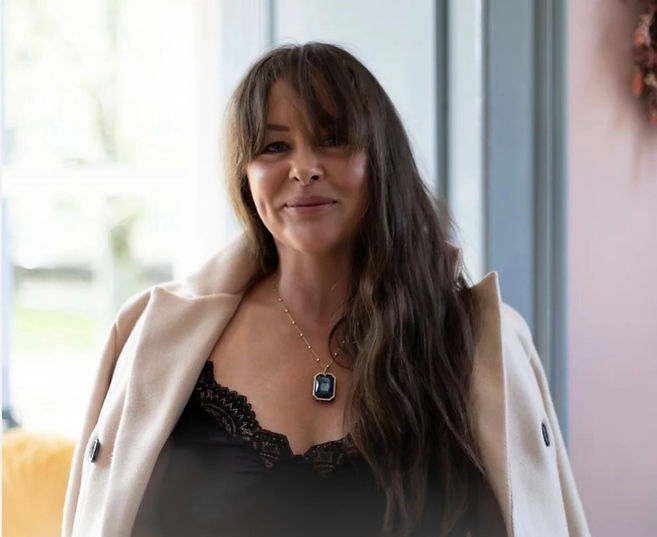
Karen Whelan, The SOULution Therapist, Founder & CEO
Who is Karen Whelan?
Karen Whelan is a Spiritual Therapist, transformational guide, and advocate for deep inner healing. With over two decades of experience working with trauma, emotional recovery, and personal transformation, her work sits at the intersection of psychology, spirituality, and embodiment. Holding a Master’s in Spirituality and a licence in psychotherapy, Karen brings together clinical understanding with a deep reverence for the human soul. At the heart of her philosophy is a simple but powerful truth, “The way out is the way in.”
Many people spend years searching outside of themselves for answers, yet the deepest transformation happens when we turn inward and develop the courage to meet ourselves honestly. Karen’s work supports people in reconnecting with their inner world, their body, their emotions, and their inner wisdom, because she believes that, “The deeper you go into your inner subjectivity, the more it naturally results in expansion.”
Healing, in her view, is not about becoming someone new. It is about remembering who we were before survival taught us to abandon ourselves.
What inspired you to become a therapist and help others on their healing journey?
Like many therapists, my path into this work did not begin with theory, it began with lived experience. Life has a way of bringing us into deep encounters with ourselves. Through my own journey, I came to understand something profound, many people believe they need to become stronger, more confident, or more loving toward themselves. But often the truth is much simpler.
“It’s not about developing self-love. It’s about building the awareness to notice all the ways we block self-love, and then healing those.” I also learned that the places we most want to avoid are often the places that hold the greatest transformation. “The void is the teacher, I’ve learnt the wound holds both the pain and the medicine.”
When people begin to see how trauma, shame, or conditioning have shaped their relationship with themselves, something powerful happens. Self-blame begins to dissolve, and compassion begins to grow.
Witnessing that transformation, the moment someone stops seeing themselves as broken and begins to see themselves as human, is what continues to inspire my work every day.
What makes your approach to therapy unique compared to others in the field?
My work bridges two worlds that are often kept separate, clinical trauma understanding and spiritual depth. I integrate trauma-informed psychotherapy, nervous system regulation, embodiment practices, and spiritual inquiry. For me, healing is not only psychological, but it is also somatic and often profoundly spiritual.
Many people have spent years talking about their pain, yet still feel disconnected from themselves. My work helps people move beyond intellectual understanding into felt experience, reconnecting with their body, their emotional landscape, and their deeper sense of self.
I often remind my clients that transformation does not come from avoiding ourselves. “The deeper you go into your inner subjectivity, it will result in your expansion.” When we courageously turn toward what we feel rather than away from it, we discover that within the places we feared most lies the doorway to growth.
What are the most common challenges your clients face, and how do you help them overcome them?
Many of the people who come to me struggle with self-worth, emotional regulation, and relationship patterns shaped by early life experiences. Trauma often creates an internalised belief that something is wrong with me. This belief can manifest as people-pleasing, difficulty setting boundaries, anxiety, or repeating unhealthy relational dynamics.
Rather than focusing solely on changing behaviours, I help clients understand the deeper roots of their patterns, particularly how the nervous system adapts in order to survive. When someone realises their responses are trauma adaptations rather than personal failures, shame begins to soften.
From there, we work on rebuilding the relationship with the self, developing emotional awareness, strengthening boundaries, regulating the nervous system, and restoring inner safety. Healing begins when someone stops fighting themselves and begins to understand themselves.
What can someone expect when they first work with you in a therapy session?
The first thing many people experience when they sit in a session with me is relief. Often, they have spent years holding things inside or feeling misunderstood. Creating a space where someone can speak honestly and be met without judgement is one of the most powerful parts of the work.
Early sessions focus on understanding their story, the challenges they are currently facing, and how their nervous system has adapted to their experiences. But therapy with me is not just about talking. We also explore body awareness, emotional regulation, and reflective practices that help people connect with themselves more deeply.
I often tell clients that healing is not about pushing ourselves harder, it is about learning to listen more honestly to what is already within us.
What results have your clients seen after working with you, and how do you measure success?
Success in therapy is not measured by perfection, it is measured by freedom. Clients often experience significant shifts in how they relate to themselves and others. They develop healthier boundaries, feel more emotionally grounded, and gain the ability to respond to life rather than react from old survival patterns.
But perhaps the most meaningful change many clients describe is a sense of finally feeling at home within themselves. For me, success is when someone no longer abandons themselves to maintain a connection with others. It is when someone can stand in their truth with calm clarity and say, “I trust myself.”
What are the key areas of mental health you focus on, and why are they important for your clients?
My work primarily focuses on trauma recovery, self-worth, emotional regulation, and relational healing. These areas are deeply interconnected. Trauma impacts the nervous system, which then influences how we think, how we feel about ourselves, and how we engage in relationships.
When someone begins to heal their relationship with themselves, their worth, their voice, their boundaries, every area of life begins to shift.
I am also deeply passionate about helping people reconnect with their inner wisdom. Many people have learned to silence their intuition in order to survive environments where their truth was not welcomed. Part of healing is helping people rediscover the ability to trust themselves again.
What advice would you give to someone who is hesitant to seek therapy but knows they need support?
Hesitation is very natural. For many people, seeking therapy means opening doors that have been closed for a long time. It can feel vulnerable, uncertain, and sometimes even frightening. But asking for support is not a weakness, it is courage.
You do not have to carry everything alone. Therapy can provide a space where your experiences are understood, your emotions can be processed safely, and you can begin to move forward with greater clarity and self-trust.
As I often say from my own journey, “I died a thousand times and found what was hidden, awe of self took me into my in-Karen-ation.” Sometimes the most powerful transformation in life comes when we allow ourselves to meet the deeper truth of who we are.
Read more from Karen Whelan