How Neuroplasticity Helps Reshape Beliefs and Empower Lives – An Interview with Julie Farnsworth
Updated: Apr 7
Julie has been working within the mental health field since receiving her Bachelor's degree in Psychology in 1993. Her primary experience in her undergraduate work was with survivors of domestic violence. After graduating, her work focused on childhood trauma with children in the foster care system. This led her to have a solid background in recognizing the impact that early childhood experiences have on mental health and relationships.
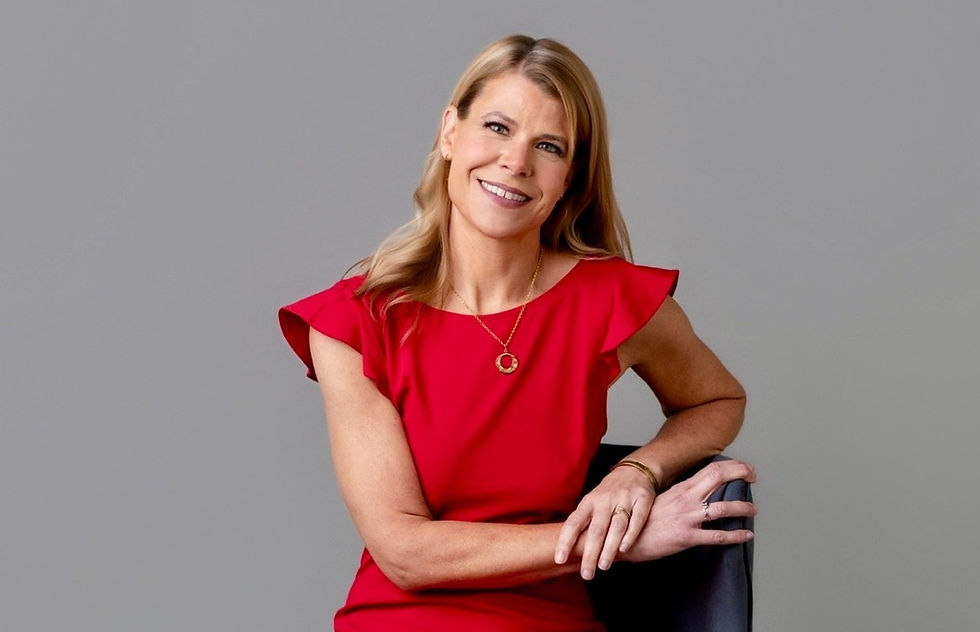
Julie Farnsworth, Trauma-Informed Grief Coach
What specific role does neuroplasticity play in reshaping a person’s belief system, and how does this understanding empower your clients to take control of their lives?
When we are able to re-frame beliefs that we have carried around with us over the years, our brains can start to actually make new connections and essentially re-wire themselves. In order to be successful with this, we must be intentional and consistent in our practice. Doing something on a daily basis to re-train our brain is key. One simple thing to try is called re-framing thoughts and self-talk. Focus on the things that you think about and tell yourself throughout the day.
Are you thinking negative things about yourself? A simple example of this would be instead of saying to yourself, “I can’t believe I did that, I always make mistakes!” Try this instead, “I learned something valuable from this so that I can do it better the next time.” It is empowering to know that we can do this for ourselves and that our brains can begin to focus on new positive information that we are flooding it with. This new input helps to literally provide a mindset shift. This, in turn, helps with our overall feelings of self-worth and wellness and helps us feel empowered to take control over our lives.
How does your background in childhood trauma and attachment theory inform your approach to helping individuals heal from past experiences and improve their relationships?
When we experience trauma as a child, our bodies and brains are designed to protect us. This can manifest in different ways as we get older and start to enter into relationships. Our attachment styles are formed based on our childhood experiences and how we were parented. As adults we fall into one of four different styles- secure, anxious, avoidant, or fearful/avoidant. The good news is that we have the capability of working on ourselves if we fall into any category besides secure.
When we can recognize that we have an “un-healthy” attachment style, it allows us to reflect on who we are and what we are seeking in a relationship. This can be complex, but a lot of the same principles used to re-wire our brains are at play when it comes to healing from past trauma so that we can move into a secure attachment and healthy relationships as adults.
What impact does trauma-informed grief coaching have on the healing process, and how do you guide your clients through grief in a way that leads to lasting transformation?
Trauma-informed grief coaching is designed to help anyone who feels “stuck” in grief and loss. As a trauma-informed grief coach, I provide a supportive, nurturing environment that guides clients on a path of healing and provides them with the tools needed to take control of their lives back. At the end of a 12-week healing journey, clients have developed new skills and the realization that they can gain some gifts on the other side of their pain.
We focus on honoring the loss and taking pieces of a person that you loved with you, while allowing space to work through and navigate complex emotions associated with trauma. Many different themes during the grieving process are presented along with tangible ways to channel grief into growth.
How can understanding the neuroscience behind emotions and behaviors help clients break free from limiting patterns and create healthier, more fulfilling lives?
When we understand how our brains work and have some knowledge of the neuroscience behind our thoughts and feelings, it provides a sense of control, especially when things happening in our lives can feel very much out of control. When we learn how we can work to change beliefs and thoughts that are not serving us, or are actually hurting us, it allows us to finally feel like we can break free of things from our past- things that have held us back, or made us feel less than, or that we just carried around believing about ourselves because somewhere along the way someone taught us to think this way.
We can literally break free from these harmful patterns of thought when we know that our brains can change with new, positive input that we are giving it. Our brains start to make new connections and believe this information, and new channels are formed to contain it. The old patterns of thinking have essentially been re-framed and replaced with the new ones.
How has your personal experience with loss shaped your grief coaching practice, and how does it allow you to offer unique insights to those navigating their own grief journeys?
As a fellow griever, I understand first-hand the impact that grief and loss has on your life. I experienced the loss of my sister to cancer at the age of 40, but never allowed myself the time to grieve. I pushed it to the side and kept putting everyone else’s needs before my own. It was the combination of this and vicarious trauma from all of the years of providing care for others that put me into an awful state of depression. It took me a long time to come out of it, but when I decided that I did not want to live like that anymore and started to treat myself like one of my clients, I could start to feel a difference.
I practiced all of the things that I had been telling my clients to do for years- journaling every day about things that I was grateful for, practicing positive self-talk and listening to positive affirmations, taking care of myself by getting regular exercise, enough sleep, and eating healthy, slowing down to notice things in my environment or in nature, listening to music, and trying new activities. After several months of consistently doing all of these things, I was feeling like a new, improved version of myself. This is why I am so passionate about helping others on their journeys. I know what it’s like to feel so low and that you are never going to feel better, that you will never feel any happiness or joy again. I want to share my story and journey with everyone that could benefit from it.
Visit my website for more info!
Read more from Julie Farnsworth