

How Breathwork Helps Release What Words Cannot
Marta Marek, founder of ONIMA Breathwork, is a trauma-informed breathwork facilitator who guides individuals and groups to heal from within, release emotional blockages, and find lasting balance through the power of breath.

Have you ever understood exactly why you feel anxious, overwhelmed, or stuck, yet still found yourself unable to change how you feel? Many people spend years talking through their challenges, gaining valuable insights into their past experiences, relationships, and behavioral patterns. While awareness is an important part of healing, understanding a problem does not always mean the body has released it.
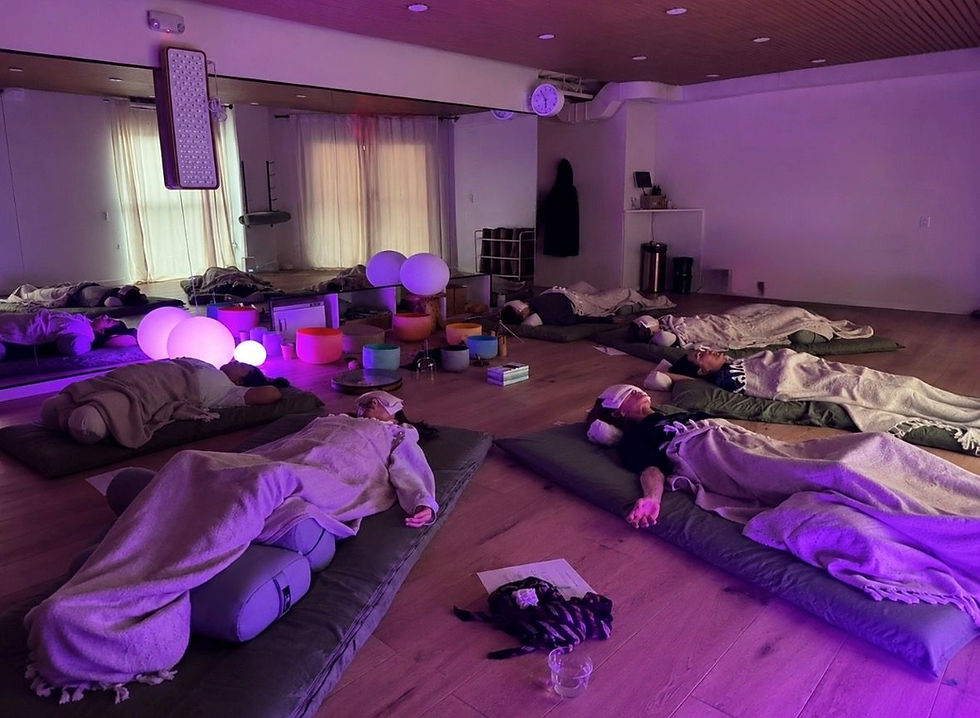
This is where breathwork offers something different. By working directly with the nervous system and the body, breathwork can help access emotions, stress patterns, and experiences that may be difficult, or even impossible, to express with words alone.
What is breathwork?
Breathwork refers to intentional breathing techniques used to support physical, emotional, and mental well-being. While there are many styles of breathwork, most practices involve consciously changing the rhythm, depth, or pattern of breathing to influence the nervous system.
Research has shown that breathing practices can affect heart rate, stress levels, emotional regulation, and overall well-being. Because breathing is one of the few bodily functions we can control consciously, it provides a direct pathway to influence how we feel.
Why isn’t talking always enough?
Talk therapy can be incredibly effective for gaining awareness and understanding. However, emotional experiences are not stored only as memories or thoughts. They are also reflected in the body through muscle tension, breathing patterns, nervous system responses, and physical sensations.
Many people can clearly explain what happened to them and why they struggle, yet their bodies continue to react as if the stress is still present. This may show up as chronic tension, anxiety, difficulty relaxing, emotional numbness, or feeling stuck in repeating patterns.
Understanding the story is important, but healing often requires the body to feel safe enough to let go of what it has been holding.
The connection between breathwork and the nervous system
When we experience stress, the body activates the sympathetic nervous system, commonly known as the “fight-or-flight” response. While this response is designed to protect us, many people remain in a state of chronic activation long after the stressful event has passed.
Breathwork helps create awareness of these patterns while supporting a shift toward the parasympathetic nervous system, often called the “rest-and-digest” state.
According to the American Psychological Association, chronic stress can affect sleep, mood, concentration, and physical health. Intentional breathing practices have been shown to support stress reduction and improve emotional regulation by helping the body return to a more balanced state.
How breathwork helps release what words cannot
One of the most unique aspects of breathwork is that it creates an experience rather than simply an intellectual understanding.
During a session, people often report emotions surfacing unexpectedly. Some experience tears, laughter, relief, gratitude, or a profound sense of calm. Others describe feeling connected to themselves in a way they have not felt for years.
This does not happen because someone analyzes a problem differently. It happens because breathwork creates an opportunity to connect with sensations, emotions, and nervous system responses that exist beneath conscious thought.
Sometimes there are no words for what the body has been carrying. Breathwork provides a way to feel, process, and release those experiences safely.
Signs you may be holding more than you realize
While everyone’s experience is unique, unresolved stress and emotions can sometimes appear as constant feelings of overwhelm, difficulty relaxing even during downtime, persistent muscle tension, poor sleep quality, emotional numbness, feeling disconnected from yourself or others, increased irritability or anxiety, and difficulty being present.
These experiences do not necessarily mean something is wrong with you. They may simply be signs that your nervous system needs support.
Breathwork as a complement to therapy
Breathwork is not a replacement for therapy, medical care, or mental health treatment. Instead, it can serve as a powerful complement to these approaches.
While therapy helps us understand our experiences, breathwork allows us to experience them differently. Together, they can support both insight and embodied healing.
Many people find that combining breathwork with other forms of personal growth creates a more holistic approach to emotional well-being.
Final thoughts
We live in a world that encourages us to think more, analyze more, and solve more. Yet some experiences cannot be fully processed through logic alone.
Sometimes healing begins when we stop trying to find the perfect words and start listening to what the body has been communicating all along.
Breathwork offers a simple yet powerful invitation: to slow down, reconnect with yourself, and create space for release, healing, and transformation, one breath at a time.
Ready to explore breathwork?
If you have been feeling stuck despite understanding your challenges, consider exploring a guided breathwork session. You may discover that some of the healing you’ve been searching for is not found in finding better answers, but in creating space to breathe, feel, and reconnect with yourself.
Read more from Marta Magdalena Marek
Marta Magdalena Marek, Trauma Informed Breathwork Facilitator
Marta Marek is a trauma-informed breathwork facilitator and founder of ONIMA Breathwork. Originally from Poland and now based in the United States, she transformed her own struggles with depression and Hashimoto’s disease into a mission to help others heal through conscious breathing. Marta works internationally with individuals, couples, and corporate groups, guiding them to release emotional tension, regulate the nervous system, and reconnect with inner peace. Her work combines science, spirituality, and self-awareness, reminding us that every breath is a doorway to transformation.



