Expert Support for Menopause, Chronic Pain, and Illness Recovery – Interview with Magali Collonnaz
As SPARRK Life Coaching founder and director, Magali Collonnaz combines medical and health coaching expertise in her online coaching programmes.
After developing chronic pain following long COVID, and later experiencing treatment-induced menopause after breast cancer, she saw how often people are left without practical support when symptoms persist. She created SPARRK for those who refuse to accept, “There’s nothing more we can do".
Her work focuses on lifestyle-based coaching to help people regain control of their health when traditional care falls short. She is committed to helping people make a powerful comeback, feel empowered in their daily choices, and build lasting change.
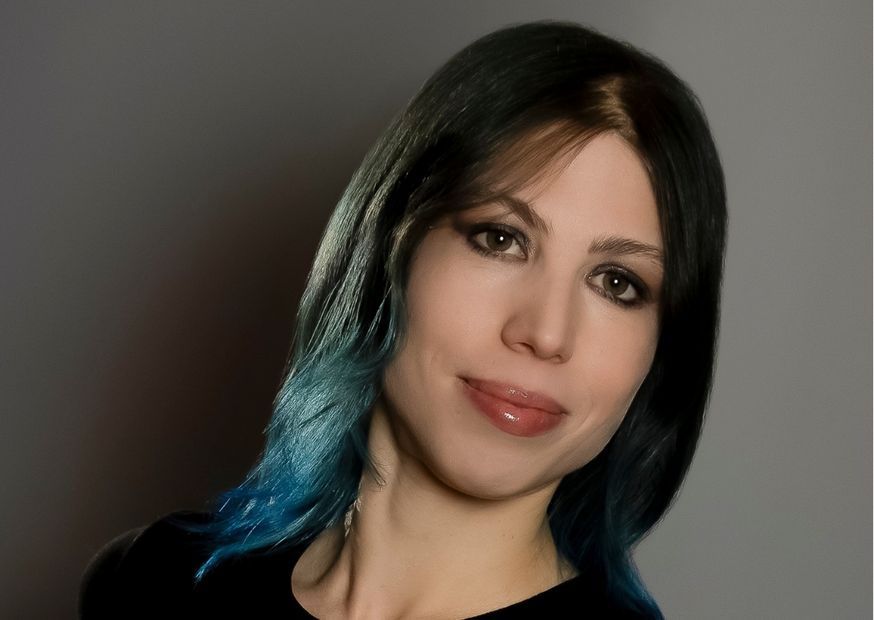
Magali Collonnaz, Medical Doctor, Life Coach, and Founder of SPARRK Life Coaching
Who is Magali Collonnaz?
I am a medical doctor whose work centres on helping people regain control of their health when symptoms disrupt daily life and conventional support falls short.
What defines me professionally is not just medical expertise, but how I apply it. I have always believed that people do better when they understand what is happening in their body and are given practical tools to act on that knowledge. Teaching, knowledge-sharing, and empowerment have been central to my work for years, and they shape how I lead and how I support others.
I bring a strong sense of empathy to my work. I listen carefully, I take symptoms seriously, and I do not minimise people’s experiences. I am a strong advocate for the role of lifestyle strategies in health. Not as a replacement for medicine, but as a powerful complement to it. When applied properly, lifestyle strategies can play a decisive role in preventing disease, managing persistent symptoms, and improving quality of life.
I am now the director of SPARRK Life Coaching. Through SPARRK, I support people living with menopause, chronic pain, and the long-term impact of illness to move beyond survival, get symptoms under better control, and build lives in which they can thrive.
What personal experience led you to create SPARRK Life Coaching, and why does this work feel so meaningful to you?
SPARRK was created as a direct response to my own experience as both a doctor and a patient.
In 2022, following Long COVID, I developed severe muscle pain. At its worst, I could no longer do any physical activity and, on some days, relied on crutches to walk. Long COVID was acknowledged medically, but I received no treatment, no real support, and no guidance on how to manage daily life. I was repeatedly told that there was nothing that could be done.
Last year, after breast cancer treatment at the age of 36, I went through treatment-induced menopause. I experienced hot flushes, night sweats, mood swings, and significant sleep disruption. Again, symptoms were recognised, but I was largely left to manage their impact alone.
I refused to accept this as my new normal. I researched, trained, and put that learning into practice in my own life. I made a full comeback. I no longer use crutches, I am physically active again, and I am currently training for my first 10 km race in February 2026. My pain and menopause symptoms are under control, and I am stronger and more confident than ever.
As I recovered, I realised I was not an exception. I kept hearing the same stories from people whose lives had been disrupted by chronic pain, menopause, or the lasting effects of serious illness, and who had been left without proper guidance.
As a medical doctor, I find this unacceptable. Being told to live with it is not support.
SPARRK exists because that gap should not exist. My work is about providing the structured, practical guidance people need to regain control, reduce symptom burden, and move from surviving to thriving.
How did your own journey through illness and recovery shape your holistic approach to coaching today?
My experience showed me that symptoms are shaped by multiple interacting factors. Physical symptoms, hormones, sleep, stress, and mindset influence each other. When these are addressed in isolation, people stay stuck. Improvement only happens when these angles are addressed together. Focusing on one element while ignoring the others leaves people managing ongoing symptoms without a clear way forward.
My approach is holistic because it works across these interacting factors in a structured, practical way. I combine medical understanding with lifestyle strategies that support long-term symptom control and sustainable improvement.
How does your experience as both a medical doctor and a patient shape the way you approach your work today?
It gives me a clear and balanced perspective. As a medical doctor, I understand evidence and clinical pathways. As a patient, I understand what it feels like when symptoms persist, and support stops.
That combination shapes how I work. I respect medicine and use it appropriately, but I am also realistic about where it falls short. I do not minimise symptoms, and I do not offer false reassurance.
Being on both sides has made me clear about what people actually need, not what they are often told to accept.
My coaching focuses on helping people navigate daily life with symptoms in a structured and realistic way. I focus on what can actually improve day-to-day functioning and quality of life. That is what clients value most, and it is what defines my approach.
Can you explain the framework that underpins your coaching work?
SPARRK is the framework that underpins all of my coaching work. It is built around six core elements, such as building strength, identifying patterns that keep people stuck, adapting how they work with their body and symptoms, reframing unhelpful responses, restoring stability and confidence, and ensuring people gain the knowledge they need to manage their health independently. This reflects how symptoms actually behave in real life. They are influenced by multiple factors and do not respond to single-solution approaches.
What distinguishes this approach is not the framework alone, but the expertise behind it. I bring medical training alongside more than 500 hours of specialist training in menopause coaching, chronic pain management, lifestyle medicine, nutrition, nervous system regulation, cognitive behavioural therapy, breathwork, life coaching, neuro-linguistic programming, and EFT tapping.
This allows me to apply the right strategies, in the right way, at the right time. The result is meaningful, sustained improvement in how people function and live.
What truly differentiates the way you work from other coaching approaches?
Most coaching approaches focus on a single lever, such as mindset, diet, or physical activity. In complex situations, that narrow focus often leads to limited progress.
What sets my work apart is the combination of medical expertise, extensive specialist training, and lived experience of chronic pain, menopause, and rebuilding life after serious illness. I know first-hand that focusing on one element in isolation is rarely enough.
My work is deliberately multi-angle and structured. I work across the key factors that shape symptoms and functioning, rather than treating them separately. That is why my approach is effective where single-focus approaches fall short.
What types of challenges do you focus on in your work, and why those in particular?
My work focuses on menopause, chronic pain, and rebuilding life after serious illness. At present, my practice is centred on menopause, with chronic pain and post-illness support opening later this year.
These 3 experiences follow a similar pattern. They disrupt daily functioning and sense of self, yet people are often left to manage them with little practical support. Menopause is not an illness, but its impact on daily life and identity is too often minimised. Chronic pain is frequently dismissed or normalised, leaving people feeling unheard. After a serious illness, many people are left changed, with reduced confidence, shifting priorities, and a shaken sense of purpose, often without guidance for that phase.
I focus on these challenges because I have lived through them myself and found a way forward. I have seen firsthand how often people are expected to endure this without meaningful support, and I do not believe that is acceptable. That conviction defines my work and the standard I hold myself to.
Why do you believe menopause is such an overlooked yet pivotal phase in a woman’s life?
Menopause is pivotal because it marks a major biological and psychological transition that every woman goes through, yet it is still widely minimised. Because it is seen as a normal part of life, its impact on daily functioning, confidence, and identity is often downplayed, including by healthcare professionals.
Being told that symptoms are “normal” does not help women function or feel well. That gap leaves many struggling at a stage of life where better support is both needed and justified.
What challenges do the women you work with most often face during menopause?
The women I work with are often dealing with a combination of physical symptoms and a loss of confidence in their bodies. Poor sleep, hot flushes, mood changes, fatigue, and cognitive difficulties can accumulate and start to affect work, relationships, and self-esteem.
A major challenge is uncertainty. Many women are told their symptoms are “normal”, yet they feel anything but. They are left questioning themselves, unsure what is happening in their body or what will actually help.
What I see most consistently is not just discomfort, but erosion of trust in themselves. Women who were previously capable and confident begin to doubt their capacity to function as they did before. Loss of clarity and lack of support are not inevitable. They are a failure in how menopause is currently handled.
Who is this menopause coaching programme designed for?
This programme is designed for women in perimenopause or menopause, whether symptoms are natural or treatment-induced, and whether they are using HRT or not. It is for women whose symptoms are affecting daily functioning and who need more than reassurance.
The women who benefit most are engaged, curious, and willing to take an active role in understanding their bodies and building new habits. They may feel stuck or overwhelmed now, but they are motivated to regain confidence, energy, and direction, and to stop letting menopause dictate how they live.
Why did you choose online group coaching as the format for your menopause coaching programme?
I chose online group coaching because it offers the right balance of accessibility, structure, and human connection. Many women in menopause are already managing work, family, and fatigue, and an online format removes unnecessary barriers and makes consistent participation realistic. It also allows me to support women wherever they are, rather than limiting access by geography.
The group setting matters because menopause can be isolating, and shared experience reduces self-doubt. At the same time, group coaching does not mean generic support. The programme is designed to help each woman build a personalised plan that fits her symptoms, energy, lifestyle, and priorities.
That balance is not optional. It is essential for effective menopause support.
How does your menopause coaching programme support women, and what changes do you see when they fully commit to it?
The programme is designed around implementation, not information overload. Many women already know a great deal about menopause, but they struggle to translate that knowledge into daily life. This programme is about helping them do that in a structured, realistic way.
The approach is grounded in evidence-informed lifestyle strategies, focusing on what women can influence day to day through their routines, choices, and habits. Women are supported through weekly live group coaching calls that combine coaching, practical strategies, and Q&A, alongside access to a private community for ongoing support. Each week includes a symptom tracker and progress check, supported by practical templates and handouts.
A central part of the programme is building a personalised weekly routine step by step. We start with a simple framework, then add small, intentional time blocks that fit each woman’s symptoms, energy, lifestyle, and priorities. The focus is on habits that are realistic, flexible, and sustainable, not rigid routines or perfection.
When women fully engage, they gain clarity about what is happening in their bodies and how to respond to it. Symptoms become more manageable, energy and emotional steadiness improve, and women stop second-guessing themselves. The aim is not to let menopause define this phase of life, but to help women move forward feeling capable, grounded, and in control.
If a woman feels exhausted, unheard, or disconnected during menopause, what would you want her to hear right now?
What you are experiencing is real, and it matters. Feeling exhausted, overwhelmed, or disconnected is not a personal failing, and it is not something you simply have to endure.
Many women are given very little practical guidance and are expected to cope on their own. That lack of support is the problem, not you. Struggling does not mean you are doing something wrong.
Most importantly, this phase does not have to define you. With the right structure, support, and practical strategies, it is possible to regain control, rebuild energy, and feel confident in your body again. Menopause can be a turning point rather than a decline.
If you want support, you do not have to figure this out alone. You can join my menopause empowerment coaching programme, book a free discovery call to explore whether it is the right fit, or connect with me on social media.
Read more from Magali Collonnaz