

Andy Hall Interview On Coaching-Style Leadership, Employee Retention, and Better Workplace Conversations
- Jul 17
- 7 min read
Andy Hall is the founder of Andy Hall Coaching and the creator of Leader As A Coach, a practical coaching-style leadership development approach that helps organizations reduce employee turnover, strengthen trust, and improve performance by changing the everyday conversations leaders have with their people.
Drawing on a corporate leadership career that began at 16 and now spans retail, operations and coaching across the UK and US, Andy has seen firsthand how leadership behavior shapes engagement, ownership and loyalty. In this interview, he explains why employee retention is not simply an HR problem, what leaders often get wrong, and how asking better questions can create stronger teams, better decisions and healthier cultures.
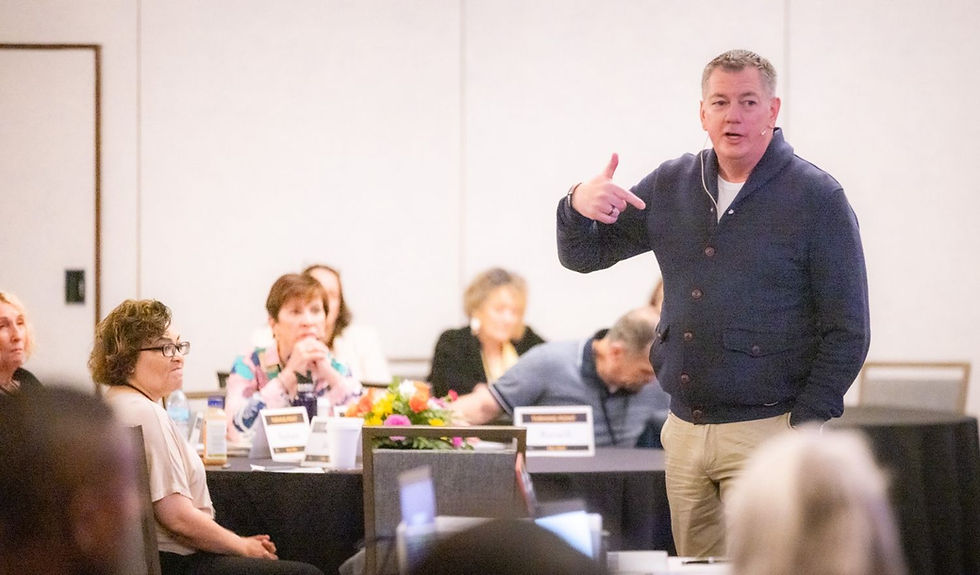
Andy Hall, Executive Leadership & Business Coach
What inspired you to create the Leader As A Coach approach, and what gap were you trying to fill in leadership development?
Leader As A Coach was born from a simple observation: most leaders are promoted because they are good at delivering results, but they are rarely taught how to have the conversations that help other people grow.
I had seen too many leadership programs that were inspirational in the room but did not change behavior on Monday morning. The missing piece was practical, repeatable conversation skills.
Leaders were being trained to manage performance, hold people accountable and drive outcomes, but not always to build trust, listen deeply, ask better questions or create ownership.
I wanted to create an approach that was not about turning leaders into full-time professional coaches but about helping them lead in a more coach-like way every day. Leader As A Coach fills that gap by giving leaders a structure, a mindset and the confidence to stop rescuing, start developing and help people think for themselves.
You often say people leave because of how they are led rather than the organization itself. What experiences convinced you that this is true?
I have been both inspired and deeply affected by leadership throughout my career.
I have seen people stay in very demanding environments because they felt valued, trusted and supported by their leader, and I have also seen people leave strong brands, good salaries and promising careers because their daily experience of leadership slowly drained their confidence, energy and commitment.
People do not experience an organization as a logo, a strategy deck or a set of values on a wall, they experience it through the behavior of the person they report to every day. Early in my own corporate career, I learned how quickly motivation can change when someone feels unseen or dismissed.
That does not mean organizations do not matter, but the direct leader is often the lens through which people judge the organization. A great leader can create loyalty in difficult circumstances, while poor leadership can push good people out of a good company.
What leadership habits most often prevent managers from building trust and accountability within their teams?
The habits that damage trust are often not dramatic; they are small behaviors repeated every day.
Leaders answer too quickly, interrupt too often, avoid difficult feedback, make assumptions, cancel one-to-ones, or only speak to people when something has gone wrong. Another common habit is rescuing. When a manager solves every problem, they may feel helpful in the moment, but they can unintentionally create dependency and reduce ownership.
Accountability also suffers when expectations are vague or consequences are inconsistent. People need clarity, but they also need to feel respected. Trust is damaged when leaders say they want honesty but react defensively when they receive it.
The most effective leaders in my experience slow down enough to ask questions, listen, follow through on commitments, give feedback early and make accountability feel like support rather than punishment. Trust and accountability are not opposites. In healthy teams, they strengthen each other.
Why do you believe employee retention should be seen as a leadership responsibility rather than primarily an HR issue?
HR plays an important role in retention of course, but HR cannot compensate for poor everyday leadership.
HR can design onboarding, recognition programs, engagement surveys, career pathways and benefits, but they are not in every daily conversation between a leader and their team.
Employee retention is influenced by whether people feel trusted, whether their work has meaning, whether they receive useful feedback, whether they can grow, and whether their leader creates an environment where they want to contribute. Those things are shaped most powerfully by leadership behavior.
When retention is treated only as an HR issue, organizations often look for programmatic solutions to relational problems. They may improve processes while missing the core experience people are having with their manager.
I passionately believe HR should be a strategic partner in retention, but leaders must own the culture they create. If people are leaving because of the way they are being led, then leadership development is not optional. It is a fundamental business priority.
After working with organizations across different industries, what patterns do you consistently see in teams with high engagement and low turnover?
The most highly engaged teams always share a few consistent patterns, regardless of industry. They have clear expectations, honest communication and leaders who are visible, approachable and consistent. People know what success looks like, but they also understand why their work matters.
There is enough psychological safety for team members to raise concerns, admit mistakes and contribute ideas without fear of being judged or shut down. Feedback is normal, not a rare or uncomfortable event.
Leaders in these teams do not carry all the thinking themselves; they involve people in solving problems and improving the work. I also see a strong link between engagement and ownership.
When people feel trusted to think, decide and contribute, they become more invested in the organization’s purpose, vision and goals.
Low turnover is never the result of one initiative, It’s the outcome of many daily leadership behaviors that make people feel seen, challenged, supported and proud to belong.
What is one simple change a leader can make this week that immediately improves the quality of conversations with their team?
Ask before you tell!
This one shift can change the tone of a conversation immediately. Many leaders move too quickly into advice, instruction or problem-solving because they want to be useful. The intention may be good, but the impact can be that people stop thinking for themselves or feel that their perspective has not really been heard.
This week, before offering an answer, a leader can pause and ask a better question: What do you think is really going on? What have you already tried? What’s worked previously? What options do you see? What support would help you move forward?
Then they need to listen without rushing to fill the silence. This does not mean leaders never give direction, it means they create space first.
When people are invited to THINK, they bring more insight, ownership and commitment to the conversation and the action.
A leader who asks before they tell sends a powerful message: I believe you can think this through, and I trust you to take the next right step.
How can leaders shift from solving every problem themselves to helping their people think and take ownership?
The shift begins when leaders redefine their role.
Their role is not to be the smartest person in every conversation; it’s to help the team become stronger, more capable and more confident.
A practical first step is to stop accepting every problem as a handoff. When someone brings an issue, the leader can ask: What outcome do you want? Where are you now? What options have you considered? What do you recommend as the next step?
That moves the conversation from dependency to ownership. I also encourage leaders to pause and consider what type of conversation is required. Is this a moment for advice and mentoring, or is it an opportunity to coach?
Sometimes people need advice, sometimes they need a sounding board, and sometimes they need coaching, clarifying that upfront prevents the leader from automatically taking over.
This is where a simple coaching framework like the GROW model can help: Goal, Reality, Options and Way Forward.
Leaders can still support and guide, but they do not have to remove the THINKING. When leaders resist the urge to rescue, they develop people who can solve more problems without them.
What leadership principle has remained constant throughout your career, despite the many changes in today's workplace?
The principle that has remained constant for me is that leadership is deeply human.
Technology changes, markets shift, generations bring different expectations and workplaces become more complex, but people still want to feel seen, heard, trusted and valued. They want clarity, fairness and the opportunity to contribute something meaningful. They want leaders who are strong enough to challenge them and humble enough to listen to them.
I began my career at 16, long before hybrid working, AI, constant digital communication and the pace of change we see today, yet the best leaders I met then and the best leaders I work with now share something in common: they understand that performance is built through relationships, not instead of them.
That does not make leadership soft, It makes it effective. When people feel respected and supported, they are far more likely to bring their energy, ideas and commitment to the work.
Better relationships do not replace results; they help produce them!
If every leader embraced one idea from your work, what lasting difference would it make for their people and their organization?
The idea I would want every leader to embrace is this: every conversation either creates dependency or ownership.
Leaders make that choice many times a day, often without realizing it. When they constantly tell, rescue and solve, they may get short-term speed, but they often create long-term dependence. When leaders ask the right type of question, listen, challenge and support, they build people who think for themselves, decide and grow.
The lasting difference would be significant. Teams would become less reliant on one person for every answer; decisions would improve because more people would be THINKING for themselves and not just waiting.
Over time, organizations would improve performance, reduce employee turnover and lower the hidden costs of disengagement, rework and leadership bottlenecks.
For me, Leader As A Coach is not simply a leadership development program, it’s a different way of seeing leadership. The goal is to change the quality of everyday conversations, so people leave work feeling stronger, not smaller.
Read more from Andy Hall


