7 Benefits Of Yoga Nidrā You Didn’t Know About
Updated: Mar 16, 2025
Written by Sam Dyllon, Yoga Teacher
Sam Dyllon is a passionate yoga teacher dedicated to helping individuals find comfort and balance in their bodies and minds. With expertise in various styles of yoga, including vinyāsa, nidrā, restorative, and chair yoga, Sam offers guidance and a support for students of all levels.

If you’re reading this, you might already be curious about yoga, meditation, or practices that promise to help you rest more deeply. And let’s be honest, yoga nidrā probably sounds like something mystical, right? Spoiler alert: it’s not all chants and crossed legs! Yoga nidrā, or “yogic sleep,” is one of the easiest, most accessible forms of relaxation and mental recharge, and you don’t need a mat, lycra, or to master any poses to dive in.
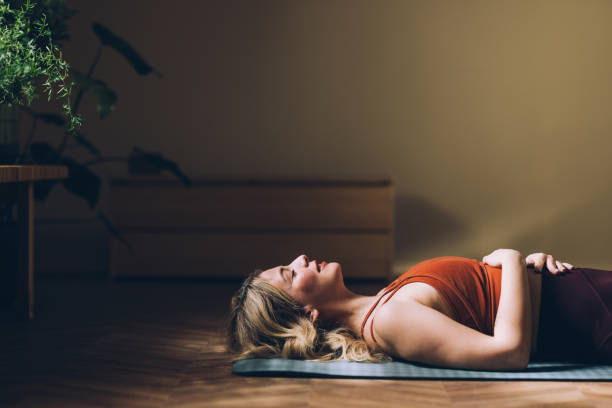
Yoga nidrā can be done at home, or anytime through online platforms like my Nidrā Club, where you can tap into a growing library of nidrā practices designed for all purposes. If you fancy joining live, you can opt to attend group sessions twice a month or even go for a more personal one-to-one nidrā each month at our top membership level. Memberships are flexible: cancel anytime, or just grab a month as you like – the first month’s on us if you try a rolling membership! Now, if that doesn’t make it easy to start, I don’t know what does.
Seven surprising benefits of yoga nidrā beyond relaxation
1. Deep rest, without the pressure to “Get it right”
Ever found yourself lying in bed trying to force yourself to sleep? Not relaxing at all, is it? Yoga nidrā skips that mental tug-of-war. Through guided relaxation, you’re gently led into a restful, liminal space where “trying to relax” isn’t needed. You simply listen and let the rest follow.
2. Eases stress as well as a power nap
If stress is a mainstay in your life, especially with work or daily demands, yoga nidrā is a simple practice to consider. It activates your parasympathetic nervous system, or the body’s “relaxation response,” which calms the mind and lowers stress. Many find it more refreshing than a nap because it doesn’t disturb your natural sleep cycle – it just gives your body and mind a break.
3. Boosts memory and focus (Surprisingly well!)
Nidrā is a brain-friendly practice that’s been shown to support memory and focus. By promoting deep relaxation, it clears the mental clutter, allowing your mind to sort, process, and file away information. It’s a far more effective brain boost than a mid-afternoon coffee, and the clarity it brings can be profound over time.
4. Encourages creative flow
Yoga nidrā doesn’t require you to be “creative” – it simply opens the mind to new perspectives. In this relaxed state, mental blocks dissolve and ideas begin to flow freely. This isn’t about being “artsy”; it’s about giving your mind the space to consider new solutions and possibilities. Many creatives and problem-solvers love nidrā for just this reason.
5. Supports pain management – Without any physical movement
For those dealing with chronic pain, yoga nidrā offers a form of relief that’s accessible and gentle. Nidrā has been shown (1, 2, 3) to help people manage pain by relaxing the body, and by gently guiding the mind to experience sensations in a new way, it can provide a welcome break from discomfort. And because there’s no movement involved, it’s perfect when a physical practice isn’t feasible.
6. Supports emotional balance – Without delving into “Deep analysis”
Yoga nidrā has a grounding effect that helps with emotional balance, offering a soft space for your mind to process feelings. It gently pulls you out of overwhelm and into a restful state where emotions seem more manageable, without needing to dive into heavy introspection. A good option if meditation feels like too much of a commitment!
7. A path to meditation, minus the pressure of “Getting it right”
A common myth about meditation is that you’re supposed to “empty your mind.” In reality, meditation is about focusing your attention, not wiping your mind blank. Yoga nidrā is a beautifully accessible way to experience this, as it guides you through a series of focused awareness cues. Instead of trying to banish all thoughts, you’re gently directed to observe your body, breath, and sensations, naturally allowing your mind to relax and focus. This makes it a fantastic entry point for anyone who’s found meditation intimidating or elusive – just lie back, listen, and let it unfold.
Wrapping it up
Yoga nidrā might just be the wellness world’s best-kept secret. It’s simple, accessible, and doesn’t require anything more than showing up and lying down. So next time you’re looking for an easy way to unwind, give yoga nidrā a try. And if you’re interested, check out my Nidrā Club, where you’ll find sessions to explore at your own pace, along with live options and 1:1s.
Sam Dyllon is a certified yoga teacher with a focus on holistic wellness; with over 700 hours of continued professional development, Sam combines yogic tools including āsana, prāṇāyāma, and dhyāna to empower students to cultivate physical flexibility, mental resilience, and overall wellbeing.
As a member of Yoga Alliance Professionals and Yoga Teachers Together, Sam is committed to sharing the transformative benefits of yoga with the community.