

When the Body Says Enough – Rethinking Performance, Sleep, and Recovery
Updated: Oct 8, 2025
Dr. Timothy Veal is a board-certified psychiatrist and Co-Founder / CEO of Lumina TMS & Psychiatry in San Diego, California, which is set to open in early 2026. He integrates psychodynamic therapy, lifestyle medicine, and advanced neuromodulation treatments, including TMS, Magnetic e-Resonance Therapy (MeRT), and esketamine, to promote emotional recovery, brain health, and sustained performance wellbeing in athletes, military personnel, high performers, and everyday individuals.

When the body finally says “enough,” it forces us to confront truths we often ignore, performance without recovery is unsustainable. From the collapse of elite athletes under the spotlight to the quiet exhaustion of professionals, parents, and students, the same lesson emerges, speed without stillness is fragility. This article explores the psychology of injury, the epidemic of overtraining, and why sleep and recovery are not luxuries but the very foundation of resilience.
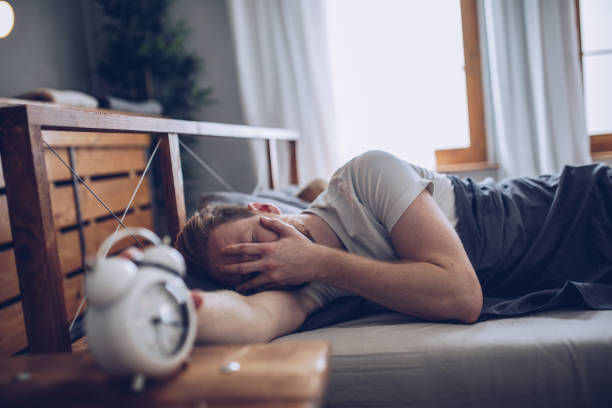
When speed meets stillness
Beneath the global spotlight of professional sports, where speed buys glory and endurance defines survival, a single moment can expose the edge of human capacity. In September 2025, during a nationally televised Monday Night Football game, Tyreek Hill, one of the world’s fastest athletes, collapsed mid-play. His knee twisted at an unnatural angle. The diagnosis was immediate, multiple torn ligaments, including a ruptured ACL. For years, Hill had been defined by motion so fluid it was described as mythic, earning him the nickname “Cheetah.” Then, in a single play, motion surrendered to stillness.
But this story is not only about sport. It is about all of us, doctors sprinting between patients, entrepreneurs chasing metrics, parents multitasking through exhaustion, and students balancing ambition with burnout. We applaud movement and mistrust rest. Yet, as neuroscience and psychology remind us, recovery is not the opposite of performance, it is the foundation of it.
In this piece, I explore the psychology of injury, the biology of overtraining, and why sleep and stillness remain the most essential forms of recovery.
The hidden physics of fatigue
Every high-performing athlete, physician, executive, or innovator knows the quiet fear of slowing down. According to The Psychology of Sport Injury, it is not biomechanics that predict who breaks down most, but stress reactivity.[5] When the nervous system stays locked in overdrive, coordination slips, judgment narrows, and fatigue corrodes resilience.
Overdrive is not only a biological state, it is a cultural one. Hill’s knee did not fail from torque alone, it buckled under the weight of expectation, to accelerate, dominate, repeat. Rehabilitation is more than physical repair, it is a reorganization of meaning, a redefinition of autonomy, competence, and connection.
Injury, whether in sport or in life, becomes an existential pause, a reminder that speed without rhythm is fragility disguised as strength.
Overtraining: The global epidemic of effort
Before bodies collapse, systems fray. Physicians David Carfagno and Joshua Hendrix (2014) define overtraining syndrome as a chronic imbalance between stress and recovery. It begins as dedication and ends as depletion.[2]
In athletes, it shows up as fatigue and inflammation. For professionals, it manifests as sleeplessness, apathy, or emotional exhaustion. Beneath all these symptoms lies the same chemistry, elevated cortisol, chronic inflammation, and disrupted circadian rhythm, the body’s language for imbalance.
Overtraining is not confined to sport, it is the social physiology of our era, the normalization of exhaustion in systems that monetize attention, glorify endurance, and equate busyness with belonging. It is the quiet internalization of a single belief, that rest equals weakness.
The global sleep deficit: When rest becomes a privilege
Sleep is the body’s original medicine and its most neglected. Across the world, people are sleeping less than at any point in recorded history. Elite athletes average just 6.5 hours of sleep per night (Charest and Grandner, 2020), a deficit that stretches far beyond stadiums and training centers.[1]
According to DelRosso (2025) in Brain Sciences, the world faces a global sleep health crisis driven not only by behavioral factors but also by socioeconomic inequality.[3] Urbanization, shift work, digital exposure, and economic instability have created what the World Health Organization now classifies as a public health epidemic of insufficient sleep.
Across continents, sleep disparities mirror broader social divides. Those with lower incomes endure fragmented rest amid noise, shift work, and insecure housing. Women report more disrupted sleep, shaped by caregiving demands, hormonal cycles, and occupational inequity. Even geography plays a role, as urban light pollution and late-night economies contribute to shortened sleep in both Western nations and emerging cities.
The implications are staggering. Insufficient sleep raises the risk of cardiovascular disease, diabetes, cognitive decline, and depression. At scale, it erodes workforce productivity and global mental health. As DelRosso notes, sleep health is not simply an individual behavior, it is a social determinant of health.
In both sport and society, fatigue reflects a more profound imbalance. Unless we confront the structural roots of work culture, inequality, and digital overexposure, individual remedies will always be partial. An authentic recovery culture requires a collective reevaluation of rest not just as a personal wellness priority but as a public health priority.
Recovery as psychological rewriting
The 2024 Consensus on the Psychology of Sport Injury redefines rehabilitation as a multifaceted process, one that integrates the physical with the psychological, the structural with the symbolic. Healing requires a reconstruction, transforming injury from a catastrophe into a catalyst.
Athletes who view recovery as a challenge rather than a defeat tend to heal faster, both mentally and physically. Techniques such as mindfulness, acceptance-based training, and cognitive behavioral strategies strengthen motivation and adherence.[5]
Yet context matters. The IOC Consensus on Mental Health in Elite Athletes warns that perfectionism, disordered sleep, and systemic stress amplify suffering. The same “grind culture” that produces achievement also obstructs healing. To return to motion is not to resume it, but to reconcile with the body, the pace, and the self.
This is not merely about one athlete
This is not only about Tyreek Hill’s knee. It is about the myth of endless output, the illusion that acceleration is the same as achievement. Every profession, from medicine to academia, education, and entrepreneurship, carries this same physiology of excess. Sleep deprivation becomes a symbol of dedication, and recovery becomes a privilege. And yet, the evidence is clear, chronic stress without renewal leads to cognitive decline, emotional detachment, and identity fatigue. To heal, we must redefine performance not as a linear sprint toward productivity, but as a cyclical rhythm between effort and ease.
Everyday habits for healing and balance
Start with what works: The first-line treatment for most chronic sleep issues is Cognitive Behavioral Therapy for Insomnia (CBT-I). It retrains both body and mind to rest naturally, offering lasting recovery beyond medication.
Build a sleep-protective routine: Good sleep is trained, not luck.
Keep a consistent bedtime and wake time.
Limit caffeine, alcohol, and screens before bed.
Make your room dark, cool, and quiet.
Get daily sunlight and regular movement.
Use wind-down rituals, breathing, stretching, or soft music.
These habits teach the body that night means repair, not worry.
Notice early stress signals: Restlessness is often unprocessed stress. Catch it early, irritability, tension, and fatigue. Take short pauses to reset. Micro-breaks restore balance before burnout builds.
Seek help early: Persistent insomnia or fatigue may indicate conditions such as sleep apnea or a disruption of the circadian rhythm. Specialists in behavioral sleep medicine or CBT-I can help restore your rhythm.
Redefine rest as strength: Recovery is not indulgence, it is infrastructure. Cultures, teams, and families thrive when rest is seen as a shared ethic, not a private luxury. Model recovery. Protect sleep. Normalize stillness.
A universal truth: Stillness as strength
When Tyreek Hill was lifted from the field, teammates said he smiled through the pain. Perhaps that smile was courage, but I tend to think it was a way of protecting his identity, one built on control, speed, and invincibility.
Within the culture of high performance, there is a prevailing idea that pain is private, that vulnerability breaks the illusion of mastery. Smiling through suffering becomes its own form of belonging, a signal to others that “I am still in the game.”
Yet beneath that surface strength, something more human stirs, grief, fear, the quiet disorientation that comes when movement no longer defines you.
We all face our own versions of that moment, the instant when the body or mind whispers, Enough. Across cultures and professions, we learn to disguise exhaustion as dedication, to translate pain into performance.
But recovery begins when we stop mistaking stillness for weakness, and start listening instead. Stillness is not the opposite of strength. It is where strength begins.
Read more from Timothy Veal
Timothy Veal, Board Certified Psychiatrist and Educator
Dr. Veal is a board-certified psychiatrist and educator based in La Jolla, California, specializing in mental health, lifestyle medicine, and resilience. With extensive experience in clinical practice, military service, and organizational consulting, he offers unique insights into the human condition and adaptability. His approach combines practical knowledge, cultural awareness, and comprehensive mental health education to promote personal and organizational growth. Dr. Veal also provides holistic, person-centered care, integrating psychodynamic therapy, medication management, and evidence-based strategies. Learn more about his work and insights by visiting his profile page.
References:
[1] Charest, J., & Grandner, M. A. (2020). Sleep and Athletic Performance: Impacts on Physical Performance, Mental Performance, Injury Risk and Recovery, and Mental Health. Sleep Medicine Clinics, 15(1), 41–57.
[2] Carfagno, D. G., & Hendrix, J. C. (2014). Overtraining Syndrome in the Athlete: Current Clinical Practice. Current Sports Medicine Reports, 13(1), 45–51.
[3] DelRosso, L. M. (2025). Global Perspectives on Sleep Health: Definitions, Disparities, and Implications for Public Health. Brain Sciences, 15(3), 304.
[4] Reardon, C. L., Hainline, B., Aron, C. M., et al. (2019). Mental Health in Elite Athletes: International Olympic Committee Consensus Statement. British Journal of Sports Medicine, 53, 667–699.
[5] Tranaeus, U., Gledhill, A., Johnson, U., et al. (2024). 50 Years of Research on the Psychology of Sport Injury: A Consensus Statement. Sports Medicine, 54, 1733–1748.
[6] Patra, K. (2025, September 30). Tyreek Hill Out for Season with Torn Ligaments in Dislocated Knee: What’s Next for Star WR, Dolphins? NFL.com.
[7] Sleep Hygiene Expanded Handout (2025). National Heart, Lung, and Blood Institute, U.S. Department of Health and Human Services.





