What You Need to Know About Trauma, It is an Invitation to Return Home to the Self
Karen is an award-winning Psychotherapist, Shamanic Medicine & Spiritual Advisor. A 7-time international bestselling author and top motivational speaker featured in Forbes, USA Today, and Thrive Global, renowned for empowering others to achieve profound personal transformation.

Trauma can leave people feeling disconnected from their own truth, worth, and inner safety. This article explores healing as a sacred return to the self, where self-love, spiritual awareness, and trauma-informed support help survivors reconnect with the essence that pain could never erase.
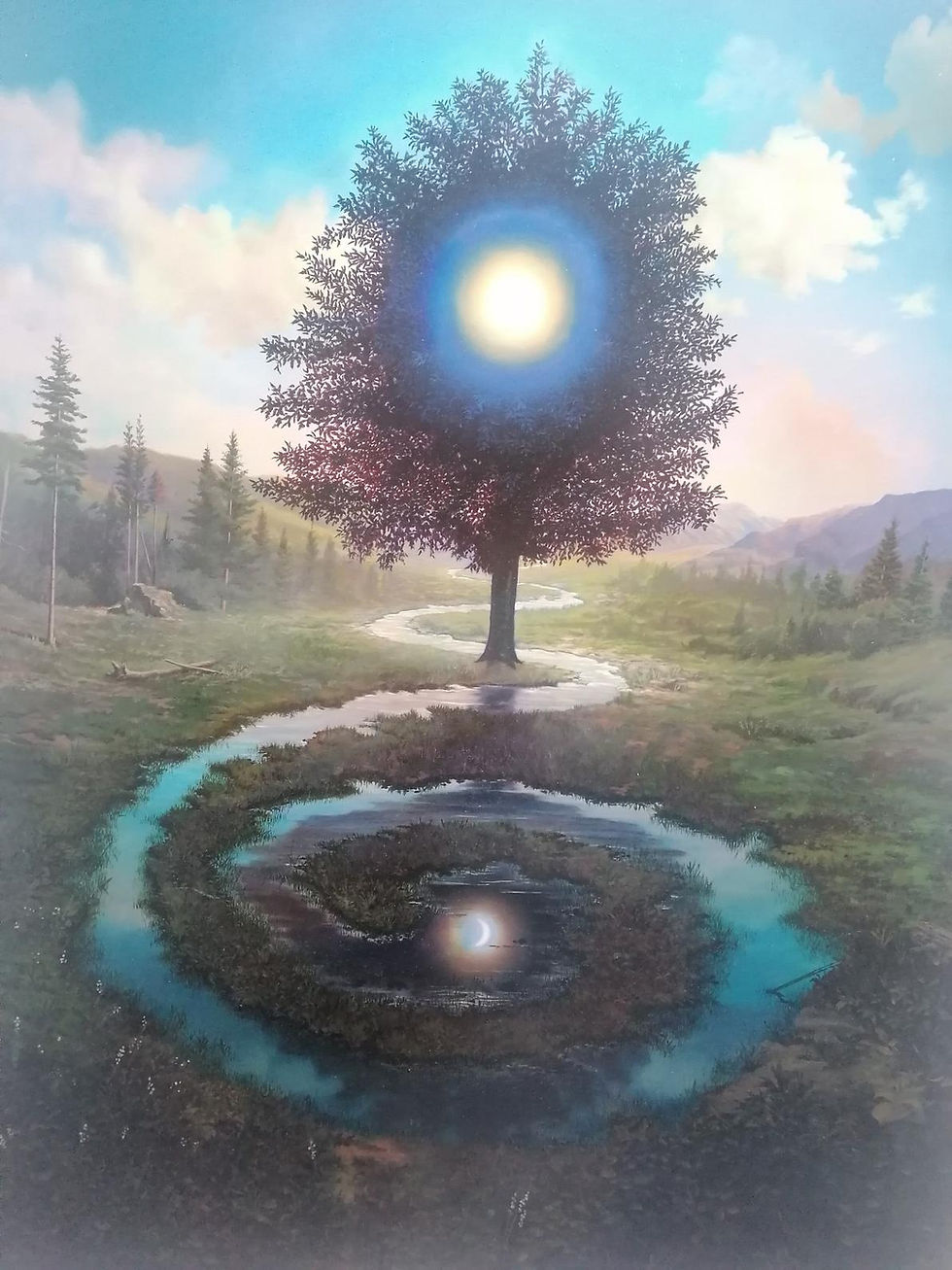
Trauma fractures
Trauma does not only wound the body or the mind. It fractures the relationship we have with ourselves. Beneath every trauma response is often a deeper spiritual separation, a distancing from our own essence, our own truth, and our own sacredness.
When trauma happens, especially in childhood, the nervous system learns that the world is unsafe. But even more devastating than fear of the world is the fear that begins to live within the self. Trauma teaches us to disconnect from who we authentically are in order to survive what we have endured.
The child who was rejected learns to reject themselves first. The child who was shamed learns to shame themselves before others can. The child who was abandoned learns to abandon their own needs, emotions, and truth. This is the hidden tragedy of trauma.
The trauma itself may end, but the separation from the self continues
Over time, this separation creates lives built around self-protection rather than self-expression. Many people become experts at people pleasing, overgiving, performing, regulating everyone else’s emotions, and monitoring the world around them just to feel safe. They lose themselves in service, validation, perfectionism, or hypervigilance.
Yet underneath all of these coping strategies is a deeper wound, “I am not safe to be myself.”
Trauma convinces us that who we are is the problem
So begins the journey of self-rejection. People often believe their fear comes from the outside world, from relationships, failure, abandonment, judgment, or uncertainty. But in truth, the deepest fear is often the separation from the self. When we are disconnected from our own inner knowing, our own worth, and our own sacred essence, the world feels terrifying because we no longer feel anchored within ourselves.
Separation from the self creates fear. This is why healing is not simply about managing symptoms. It is about returning home to the self. The sacred journey of healing is not becoming someone new. It is remembering who you were before trauma taught you to disappear.
For many years, I did not understand this myself
At just fourteen years old, my life had already become marked by profound pain. I experienced sexual abuse, homelessness, deep emotional suffering, and drug misuse. Like many trauma survivors, I believed I was broken. I believed my pain defined me. I lived disconnected from my own light, searching outside of myself for safety, love, and belonging.
But somewhere within the darkness, something sacred remained untouched. That sacred part of me, the essence beyond the trauma, never left. It waited patiently beneath the survival strategies, beneath the fear, beneath the shame, and beneath the masks I wore to survive.
Healing began not when I fixed myself, but when I began returning to myself. This became the foundation of my memoir, The Journey Home. It is not simply a story of trauma and survival. It is a story of reclamation. A story of finding meaning within suffering. A story of discovering that even within our deepest wounds, there can exist a pathway back to ourselves.
Trauma carries pain, but hidden within the pain is also medicine
This may sound paradoxical, yet many survivors eventually discover that the very wound they believed destroyed them became the doorway through which they encountered their deepest awakening, wisdom, compassion, strength, and purpose. The sacred often hides inside what first appears unbearable.
Within trauma can live extraordinary sensitivity, intuition, empathy, creativity, spiritual depth, and resilience. Survivors often become highly attuned human beings because suffering forced them to develop profound awareness. But healing requires learning how to reconnect those gifts back to the self rather than only using them to survive others.
This is why I believe every healing journey is deeply personal and spiritually unique. We live in a world where people constantly compare their healing to others. Social media often teaches people to seek answers outside themselves, looking for the “right” path, the “right” method, the “right” guru, or the “right” formula.
But healing is not a performance. Your soul has its own language. Your pain has its own teachings. Your return home will unfold in its own sacred way. No two healing journeys are identical because no two souls are identical.
What liberates one person may not liberate another. What awakens one person may not awaken someone else. The healing journey requires listening inwardly rather than constantly looking outwardly.
Trauma disconnects us from our inner authority, healing restores it
When people come to work with me, I do not believe in placing them into rigid boxes or formulas. My work integrates psychotherapy, spirituality, trauma awareness, nervous system understanding, and intuitive soul-centered healing because human beings are multidimensional.
I bring together my academic background, including my Master’s in Spirituality, alongside my work as a therapist, my intuition and clairsentience, along with my understanding of sacred and shamanic healing traditions. But most importantly, I listen deeply to the individual sitting in front of me.
No person is simply a diagnosis. Every human being carries a unique soul essence, a unique story, and a unique pathway toward healing. The therapeutic container must honour that uniqueness.
Alongside my husband, a quantum energy healer, we create healing spaces designed not simply to treat symptoms, but to help individuals reconnect with the truth of who they are. Together, we hold spaces that allow people to safely explore the layers of trauma while also reconnecting with the sacredness that trauma tried to bury.
Because trauma does not erase your essence. It only hides it beneath protection. Protection, while necessary for survival, can eventually become the prison that prevents us from fully living.
Many survivors spend years surviving but never truly inhabiting their own lives. They fear visibility. They fear vulnerability. They fear their own power. They fear joy because joy once felt unsafe. They fear rest because hypervigilance became normal. They fear authenticity because authenticity once led to pain.
Healing requires gently teaching the nervous system that it is now safe to exist fully. Safe to feel. Safe to be seen. Safe to speak. Safe to receive. Safe to belong. Safe to become.
This journey is explored further in my book The Seven Pathways to Self Love, where I guide readers through practices of returning to self-worth, self-compassion, self-trust, and inner connection.
Self-love is not superficial positivity. It is sacred restoration. It is the courageous act of ending the war against yourself. It is learning to stop abandoning yourself to earn love from others. It is reclaiming your voice, your body, your emotions, your intuition, and your right to exist fully in your truth.
When we return home to ourselves, something extraordinary happens: the world loses its power to define us. We no longer live entirely governed by fear, validation, rejection, or external approval. We begin living from inner alignment rather than survival.
This is the deeper invitation hidden within trauma. Not that suffering is good. Not that pain should happen. But that even within devastation, the human spirit possesses an extraordinary capacity to rise, transform, and remember itself.
The sacred was never absent. It was waiting beneath the pain for you to come home.
Read more from Karen Whelan
Karen Whelan, The SOULution Therapist, Founder & CEO
Karen is an internationally recognized Spiritual Advisor, Psychotherapist, and Shamanic Medicine Woman celebrated for her transformative approach to healing and empowerment. She is the founder of SOULution Therapy and a 7-time international bestselling author honored with the James Madison Literary Award. Named a Top Motivational Speaker for 2025, Karen’s insights have been featured in Forbes, USA Today, and Hollywood Digest. She continues to inspire global audiences through her therapy, books, and retreats.