What is TPACK and Why Should Teachers Know It in U.S. and European Schools?
Cedric Drake is an expert in educational psychology. He dissects learning and brings innovative ideas. He contributes to educational think tanks and writes articles for academic institutions in the US and Asia. Currently, he is building a publishing company to connect students to companies in different fields and expand education.

There is a quiet truth that every educator eventually discovers, students rarely remember the technology we used, but they always remember how we made them feel while learning. Whether we teach in a classroom in California, a secondary school in Finland, or a university in Spain, our greatest responsibility has never been to master the newest digital tool. Our responsibility is to create learning experiences that help students think, grow, and believe in their own potential.
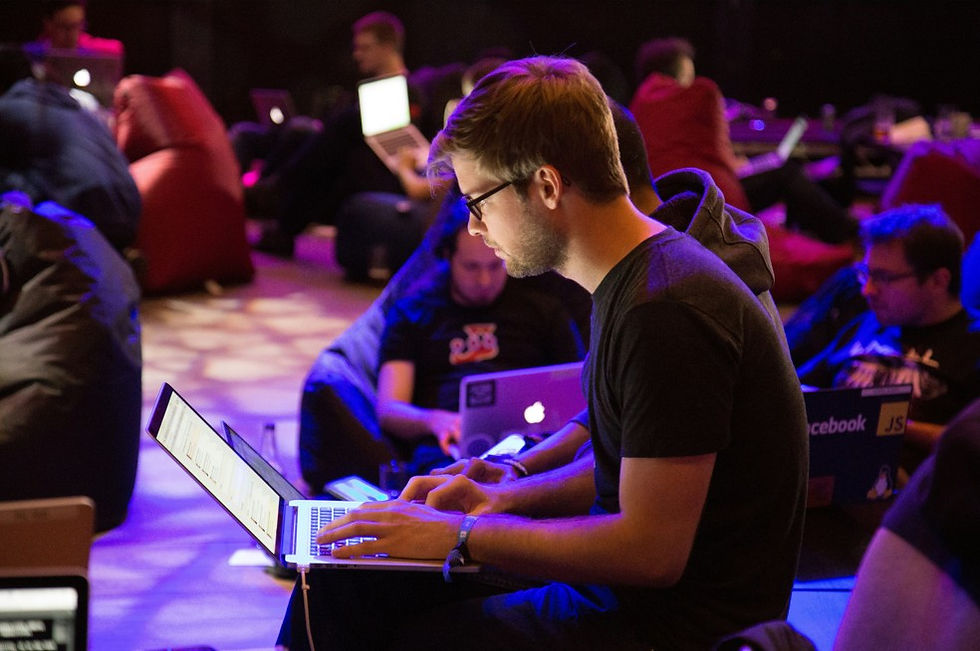
This is why the Technological Pedagogical Content Knowledge (TPACK) framework matters so deeply. TPACK is more than an educational model. It is a reminder that effective teaching happens when three essential forms of knowledge work together. Teachers must understand their subject matter (content knowledge), know how students learn (pedagogical knowledge), and thoughtfully select technology that enhances, not distracts from, the learning process (technological knowledge). When these three areas intersect, technology becomes a bridge to understanding rather than another obstacle for students to overcome.
Across both the United States and Europe, schools are experiencing rapid technological change. Artificial intelligence, virtual reality, adaptive learning systems, and collaborative online platforms are becoming increasingly common. Yet many teachers feel overwhelmed by the expectation that they must constantly learn new technologies while continuing to meet rigorous academic standards and support increasingly diverse classrooms. TPACK offers reassurance by reminding educators that technology should never drive instruction. Instead, instructional goals should determine whether technology belongs in the lesson at all.
Perhaps the greatest strength of TPACK is that it places students, not technology, at the center of education. Every classroom includes learners with different backgrounds, abilities, cultures, languages, and learning preferences. A digital tool is valuable only if it helps these students understand concepts more clearly, collaborate more effectively, solve authentic problems, or express their ideas more creatively. Technology that does not improve learning simply adds complexity.
The increasing presence of artificial intelligence makes the TPACK framework even more relevant. Teachers now face questions that previous generations never imagined. Should students use AI to brainstorm ideas? How can educators maintain academic integrity while embracing innovation? How do we protect student privacy? TPACK encourages teachers to answer these questions through the lens of sound pedagogy rather than excitement over new technologies. In doing so, it promotes thoughtful, ethical, and responsible instructional decision-making.
For educators in Western schools, TPACK can become a practical guide. Consider these steps when planning instruction.
Begin with the learning objective: Clearly identify what students should know or be able to do before selecting any technology.
Choose an effective teaching strategy: Determine how students will best learn the content through discussion, inquiry, collaboration, project-based learning, direct instruction, or other evidence-based approaches.
Evaluate whether technology adds value: Ask whether a digital tool improves understanding, increases engagement, supports accessibility, or provides learning opportunities that would otherwise be difficult to achieve.
Consider equity and inclusion: Ensure every student has meaningful access to technology and the support needed to use it successfully.
Teach responsible digital citizenship: Help students understand the ethical use of technology, including privacy, academic honesty, respectful communication, and critical evaluation of AI-generated information.
Reflect and improve: After each lesson, evaluate what worked well, what challenged students, and how technology could be used more effectively in future instruction.
These steps encourage teachers to become reflective practitioners who continually refine their instruction while remaining focused on student learning.
In classrooms across the United States and Europe, students deserve educators who view innovation with wisdom, curiosity, and compassion. They deserve teachers who understand that every technological decision carries educational and ethical consequences. When TPACK guides instructional practice, technology becomes more than a classroom accessory, it becomes a purposeful tool that supports deeper understanding, meaningful relationships, and lifelong learning. In an era defined by rapid technological change, that balance may be one of the most important lessons educators can offer the next generation.
Follow me on Instagram for more info!
Read more from Cedric Drake
Cedric Drake, Educational Psychologist and Technologist
Cedric Drake is an educational psychologist and technologist in the learning field. His ten years as an educator left him with the psychological understanding to innovate classrooms and learning centers for all ages. He has since gone on to be an educator at Los Angeles Opera, do doctoral studies in educational psychology, publish scholarly literature reviews and papers, and work at the American Psychological Association as an APA Proposal Reviewer for the APA Conference.