

Victor Daniel Silva and the Business of Gulf Coast Fishing
Victor Daniel Silva’s career in commercial fishing is rooted in family tradition, hard work, and a deep respect for the water. From learning the trade alongside his father in North Carolina to building a successful shrimping and crabbing operation on Louisiana’s Gulf Coast, he has relied on patience, adaptability, and consistency to navigate an ever-changing industry. His story highlights the enduring value of dedication and craftsmanship in a demanding profession.
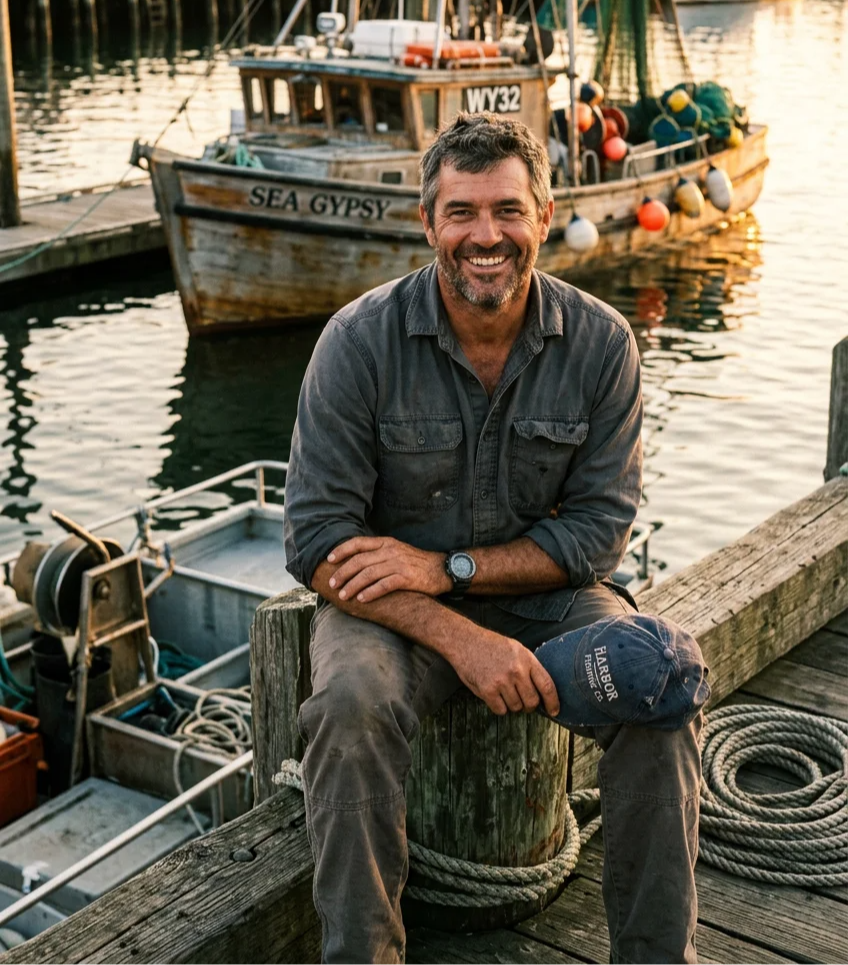
How a Louisiana fisherman turned family tradition into a lasting career
Before sunrise hits the Louisiana Gulf Coast, Victor Daniel Silva is already preparing for the day. The boat is checked. The gear is ready. The coffee is hot. Then comes the long ride out onto the water.
For Victor, this routine is more than work. It is the result of decades spent learning an industry that depends on patience, timing, and consistency.
“You can’t force anything out here,” Victor says. “The water teaches you that pretty quickly.”
Today, Victor is known as a reliable commercial fisherman specializing in shrimping and crabbing along the Gulf Coast. But his path into the industry started long before Louisiana.
Growing up in Beaufort, North Carolina
Victor was born and raised in Beaufort, North Carolina, a small coastal town where fishing shaped daily life. His father, Daniel Silva Sr., worked as a commercial fisherman and introduced Victor to the business at a young age.
Some of Victor’s earliest memories involve sitting quietly on his father’s boat before dawn while they headed out onto the water.
“I remember the sound of the engine more than anything,” Victor says. “Back then, I didn’t realize I was learning. I was just spending time with my dad.”
Those trips became his education. His father taught him how to read tides, repair nets, and stay calm when conditions changed unexpectedly.
“He always said the ocean deserves respect,” Victor recalls. “That stayed with me.”
In high school, Victor was known more for practical skills than classroom academics. While many classmates talked about leaving town, Victor already knew what he wanted to do.
“Fishing made sense to me,” he says. “I liked working with my hands. I liked being outside. I liked that every day was different.”
What Victor Daniel Silva learned from his father
One of the biggest ideas Victor Daniel Silva carried into adulthood was the importance of consistency.
Fishing is unpredictable. Weather changes fast. Markets shift. Equipment breaks. Victor learned early that success often comes from preparation rather than control.
“My father taught me that routines matter,” he says. “You prepare the same way every day, even when things are going well.”
Victor and his father worked side by side for years. Their communication became simple and efficient.
“We didn’t need long conversations,” Victor says. “Most of the time we already knew what the other person was thinking.”
After his father passed away, Victor continued using many of the same techniques and even some of the same equipment.
“I still keep some of his old gear on the boat,” he says. “It reminds me of where all of this started.”
Why he relocated to the Louisiana Gulf Coast
In his late 20s, Victor made a major decision. He moved from North Carolina to coastal Louisiana to pursue new opportunities in commercial fishing.
The Gulf Coast offered larger shrimping and crabbing operations along with steady demand.
“I wanted to grow,” Victor says. “Louisiana had opportunities that were hard to ignore.”
The move required adjustment. Gulf waters operate differently from the Atlantic coast. Weather patterns, fishing methods, and local systems all required new learning.
“You can’t come in thinking you already know everything,” Victor explains. “The Gulf has its own personality.”
Instead of resisting change, Victor focused on adaptation. That mindset became one of the key reasons he succeeded.
He spent years learning the local waters, building relationships at the docks, and improving his process season after season.
“People respect consistency in this business,” he says. “If you show up, work hard, and stay reliable, people notice.”
The daily reality of commercial fishing
Commercial fishing is physically demanding work. Victor often starts before sunrise and spends long hours handling equipment, monitoring conditions, and managing catches.
But the work does not stop once the boat docks.
“There’s always something to fix,” he says with a laugh. “The maintenance never ends.”
Victor spends much of his downtime repairing nets, checking engines, and preparing equipment for the next trip. That attention to detail has become one of the habits that separates experienced fishermen from inexperienced ones.
“A lot of people focus on the catch,” he says. “The real work is everything before and after.”
This long-term thinking has helped Victor build stability in an industry known for uncertainty.
Building a life beyond the boat
At home, Victor’s work connects closely with family life. His wife, Marisol, shares his appreciation for Gulf Coast seafood and cooking traditions.
Her Creole garlic butter shrimp served over grits has become a favorite among friends and neighbors. The shrimp often comes directly from Victor’s boat.
“She can take something simple and make it unforgettable,” Victor says.
Their home has become a gathering place where fellow fishermen, neighbors, and friends come together after long days on the water.
“It’s the kind of life I always wanted,” Victor says. “Nothing flashy. Just real.”
Lessons from a career on the water
Victor does not describe himself as an industry leader. But his career reflects several ideas that have helped him succeed: consistency, adaptability, and respect for tradition.
He believes too many people underestimate the value of patience.
“Everyone wants fast results now,” Victor says. “Out here, you learn that some things take time.”
That mindset has helped him navigate decades in commercial fishing while staying connected to the values he learned growing up in Beaufort.
Every morning before sunrise, Victor continues the same routine he learned from his father years ago. For him, success is not about attention or recognition. It is about building a life that feels honest and sustainable.
“At the end of the day,” he says, “I just want to know I did the work the right way.”



