

Tyler Andersen of Sheldon Vermont Built Success Through Simplicity
In a time when many outdoor businesses rely on social media, branding, and constant promotion, Tyler Andersen built his career differently. Quietly.
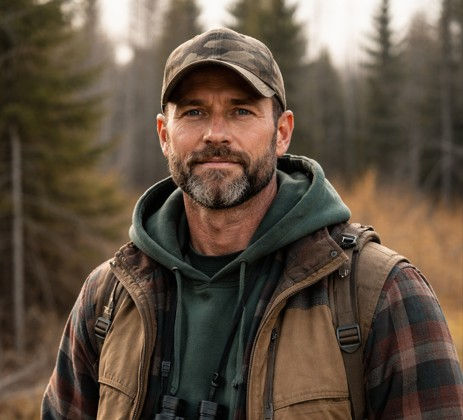
Based in Sheldon, Vermont, Andersen has spent the past 10 to 15 years building a steady hunting-and-fishing guide business across Franklin County. He did it without chasing visibility or trying to turn himself into a personality.
Instead, he focused on consistency, local knowledge, and a simple idea that shaped almost every part of his career: experience matters more than hype.
“I never tried to make it bigger than what it was,” Andersen says. “I just focused on doing the work right.”
That approach helped turn years of outdoor experience into a long-term business built mostly through repeat clients and referrals.
Growing up outdoors in Franklin County
Andersen grew up just outside St. Albans, Vermont, where hunting and fishing were part of regular life.
Weekends were spent in the woods with family or along the Missisquoi River learning how to read water, track deer, and move quietly through the backcountry.
“That’s where most of it came from,” he says. “Being outside all the time when I was younger.”
Those early years shaped more than just outdoor skills. They shaped how he approached work itself.
Patience. Observation. Consistency.
“You learn pretty quick that forcing things usually doesn’t work in the woods,” Andersen says. “That applies to a lot of things outside the woods too.”
How Tyler Andersen Sheldon Vermont became a hunting guide
Before guiding full-time, Andersen worked construction, farm jobs, and operated heavy equipment. The work was physical, practical, and steady.
But outdoor guiding slowly became something more serious.
In his early 30s, he started taking people out on informal hunting trips. Mostly friends of friends. Over time, those trips turned into repeat clients.
“Word spread naturally,” he says. “One person would come back, then they’d bring somebody else.”
Instead of growing quickly, Tyler Andersen Sheldon Vermont focused on reliability.
He learned that many clients were not looking for flashy experiences. They wanted someone who knew the land, understood deer movement, and stayed calm under changing conditions.
That became his edge.
“A lot of guiding is just paying attention,” he says. “Timing, weather, movement. Small details matter.”
The big idea that shaped his career
The biggest idea behind Andersen’s success is surprisingly simple.
Keep things uncomplicated.
While much of the outdoor industry leaned heavily into gear, technology, and online visibility, Andersen stayed focused on fundamentals.
He still believes patience matters more than expensive equipment. He still prefers phone calls over constant messaging. He still spends more time scouting than posting online.
“You don’t need to overcomplicate things to do them well,” he says.
That mindset influenced not only how he hunts, but how he runs his business.
Most of his bookings come through referrals instead of advertising. Clients return because they trust his consistency.
“There’s value in being dependable,” Andersen says. “People remember that.”
Why local knowledge still matters
One reason Andersen’s approach works is because it is deeply tied to place.
He guides throughout Franklin County using a mix of private land and lesser-known public areas.
Over decades, he has watched weather patterns shift, deer movement change, and fishing conditions evolve across the region.
That long-term observation became one of his biggest advantages.
“You start noticing patterns after enough years,” he says. “Not just season to season, but year to year.”
That applies heavily to fishing on Lake Champlain as well. Andersen specializes in bass and pike fishing, along with winter ice fishing.
He pays close attention to weather, water conditions, and timing rather than relying only on technology.
“Conditions matter more than people think,” he says. “Fish and deer both react to weather before most people notice it.”
Building stability through seasonal work
Like many rural business owners, Andersen built stability by staying flexible.
Guiding work changes with the seasons. During winter, he runs a snowplowing route for local homes and small commercial properties. In slower periods, he picks up equipment work and local jobs around town.
“You stay busy however you can,” he says.
Instead of treating those jobs separately, Andersen sees them as part of the same lifestyle.
Everything stays connected to the local community and the seasonal rhythm of Vermont life.
That consistency helped him avoid the pressure of chasing rapid growth.
“I never wanted to turn it into something completely different,” he says.
Why Tyler Andersen Sheldon Vermont stands out
Many careers today are built around visibility. Andersen built his reputation.
He drives an older pickup. Keeps his gear practical. Spends evenings checking weather patterns, working in the garage, or scouting quietly on his own time.
Friends and clients describe him as steady and low-key. Not someone trying to impress people.
That authenticity became part of the business itself.
“I think people can tell when somebody’s forcing it,” Andersen says. “I’ve always tried to keep things honest.”
In many ways, Andersen’s career reflects a larger lesson that applies far beyond the outdoor industry.
Big ideas do not always look flashy. Sometimes they are simple principles followed consistently over time.
For Andersen, that meant trusting experience, staying patient, and building slowly instead of loudly.
And after more than a decade guiding in Vermont, that approach continues to work.



