Transformation in Education: The Impact of ILEP on the Development of Educational Leaders
Education is undoubtedly one of the pillars that support the progress of society. In an increasingly connected world, where the boundaries between cultures and educational systems are becoming more fluid, the role of teachers goes beyond mere content delivery. Today, educators need to be leaders who can inspire, innovate, and transform. A clear example of how international programs can drive this change is the International Leaders in Education Program (ILEP), an initiative of the U.S. Department of State that offers high school educators the chance to enhance their skills and make a lasting impact on their communities.
How Does ILEP Aim to Transform Education?
ILEP is not just a professional development program. It is an immersive experience in education, both academically and culturally. Teachers from around the world have the opportunity to study for a semester at U.S. universities while experiencing the daily life in U.S. schools. The program focuses on improving participants' pedagogical skills, with an emphasis on innovative methodologies, the use of educational technologies, and leadership in teaching.
Throughout the semester, educators not only absorb theoretical content on modern teaching techniques but also participate in practical internships in public schools, where they can experience education in a context different from their own. This enriching experience allows for a direct exchange of knowledge, something crucial for the development of well-rounded educators who are prepared for the challenges of a globalized education system.
The Story of Gicelma Claudia da Costa Xavier: A Success Story
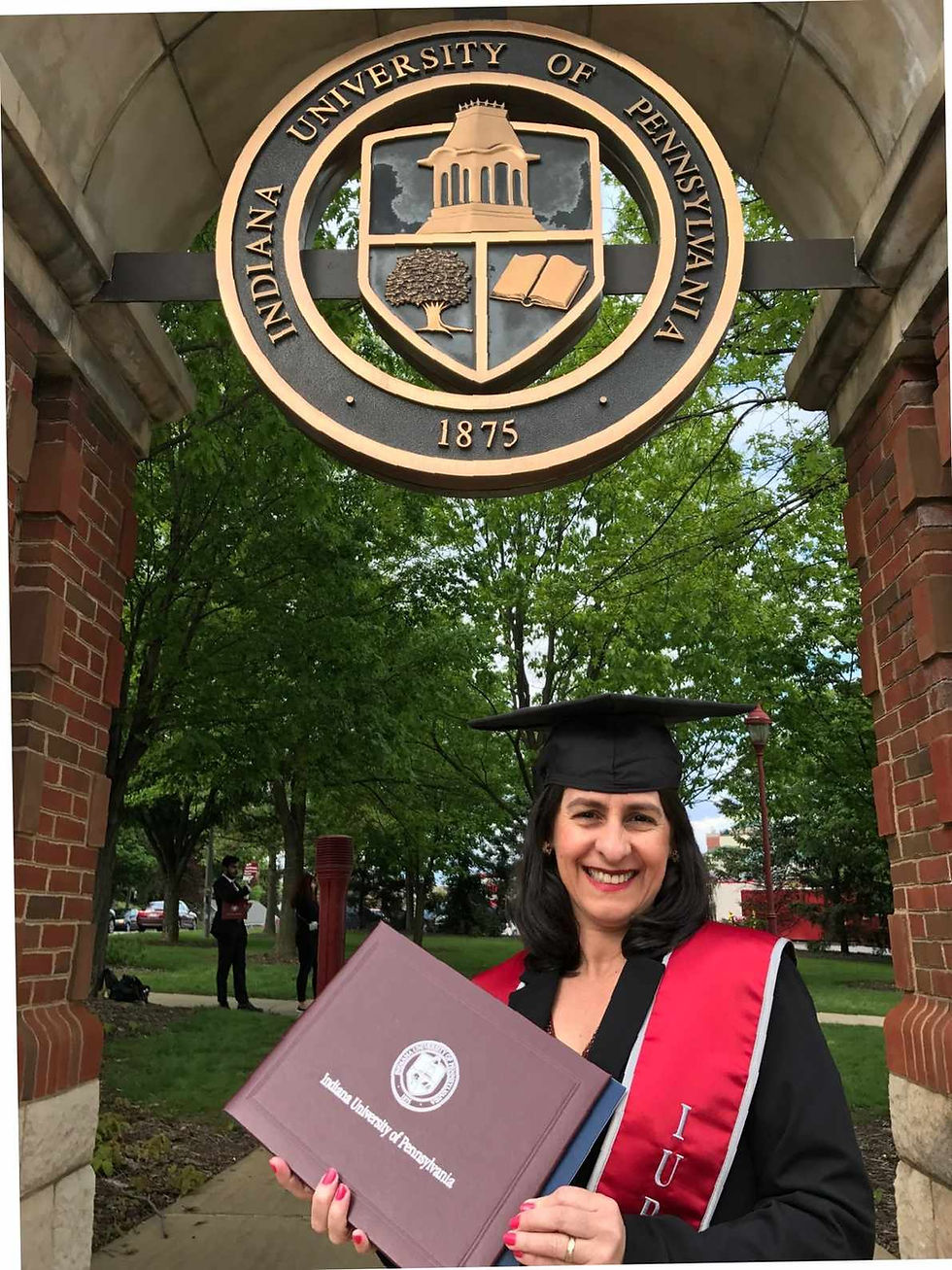
A notable example of the positive impact of ILEP is the story of Gicelma Claudia da Costa Xavier, a professor at the Federal Institute of Education, Science, and Technology of Rondônia (IFRO), Brazil, who was selected for the program in 2017. Gicelma had the opportunity to study at Indiana University of Pennsylvania (IUP) and intern in public schools in Pennsylvania. During her experience, she delved into English language teaching techniques, active methodologies, and educational leadership, while also experiencing cultural immersion in schools like Indiana High School and Brashear High School.
What sets Gicelma apart is her commitment to sharing the knowledge she gained during her ILEP experience. Upon returning to Brazil, she became a multiplier of knowledge, organizing continuous training sessions for teachers across various disciplines, not just English language educators. Her goal? To share new practices and pedagogical tools with other educators, expanding the impact of her international experience and, consequently, enhancing local education.
“Participating in ILEP provided me with a completely new perspective on education. The cultural exchange and learning with colleagues from different parts of the world expanded my ability to teach and understand the challenges of education from a global perspective,” says Gicelma. For her, the greatest benefit of the program was realizing that education is a dynamic field where new solutions must be constantly sought.
ILEP as a Catalyst for Global Educational Networks
In addition to its direct impact on educators’ training, ILEP plays a fundamental role in building international networks of educational cooperation. By bringing together teachers from different countries and realities, the program creates an environment conducive to the exchange of ideas and practices. This type of international collaboration is one of the main drivers of innovation in education.
Creating these global networks is essential, as they allow educators to share solutions for common problems and implement improvements in their own communities. Gicelma, for example, highlights how interacting with professionals from other countries broadened her perspective on the impact she can have locally and globally: “ILEP didn’t just make me a better teacher; it made me a better educational leader. It taught me that we can transform education here in Brazil by adopting the best global practices.”
This exchange of experiences strengthens education globally, fostering a movement of teacher-leaders committed to the continuous evolution of their pedagogical practices.
ILEP and the Future of Education: Commitment to Innovation and Leadership
In an ever-changing educational landscape, it is crucial that educators are prepared to adapt their methodologies and face teaching challenges with innovative approaches. Programs like ILEP not only offer professional qualification for teachers but also promote a new approach to education, where the educator’s role becomes even more central to societal transformation.
The training provided by ILEP goes beyond enhancing participants' pedagogical skills; it also empowers them to become leaders who can inspire other educators, influence educational policies, and ultimately improve the quality of education in their countries. The program demonstrates that learning is a two-way street, where both educators and the communities they serve benefit from the exchange of knowledge.
In an increasingly interconnected world, ILEP exemplifies the power of education to drive global change. By investing in the development of prepared educational leaders, the program contributes not only to the participants’ growth but also to the strengthening of pedagogical practices worldwide.
The Lasting Impact of ILEP on Education
As a training program, ILEP not only shapes better teachers but also creates leaders capable of inspiring and transforming educational realities, broadening the horizons of education in their communities. The trajectory of Gicelma Claudia da Costa Xavier, now a professor at the Fluminense Federal Institute (IFF), is a testament to the significant impact that experiences like ILEP can have on an educator's life and how this transformation positively reverberates for other educators and students.
More than just a professional development program, ILEP represented a transformative experience marked by exchanges with teachers from all over the world. In Gicelma’s case, interacting with colleagues from the Philippines, Kenya, India, Malaysia, Morocco, and Senegal resulted in the creation of a valuable network of support, collaboration, and friendship. This diversity of perspectives broadens the understanding of the challenges and possibilities of education in global contexts, reinforcing the teacher’s role as an agent of change. Ultimately, programs like ILEP are not only an investment in educators’ personal growth but also a critical step toward more connected, inclusive, and transformative education.