Top Tips for Managing Anxiety
Lena Yaghan is a Psychotherapist in Private Practice and an Anxiety Expert. She is a Certified Clinical Anxiety Treatment Professional. Lena is the creator of AnxietyEase, a life-changing practice in one App to better help individuals manage their anxiety daily.

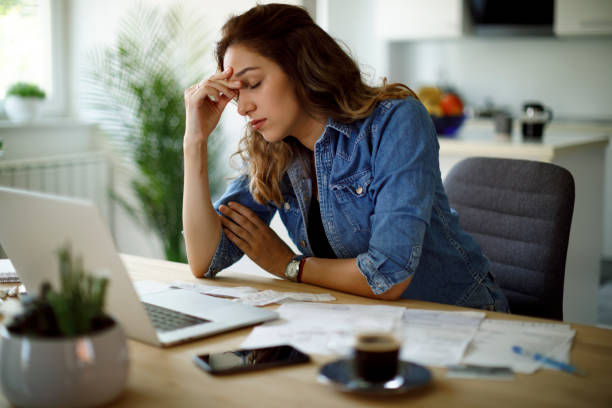
First and foremost, repeat after me: Anxiety is just a feeling, and it will pass. While we can't completely eliminate anxiety, it is important to remember that it’s sometimes useful. A little anxiety can help us respond to challenging situations or alert us to potential dangers. However, when anxiety becomes overwhelming, it’s essential to manage it so it doesn’t control your life.
Here are some tips to help you better manage anxiety
1. Utilize anxiety coping statements
Create a list of anxiety coping statements that resonate with you or utilize some of these examples:
This is a normal human emotion.
I am safe, and I will be okay.
My anxiety does not define me.
My anxiety does not control me.
When you feel anxious, repeat these statements to yourself. Over time, you’ll naturally internalize them, which can make it easier to manage anxiety when it arises. I encourage you to repeat these statements whenever you are feeling anxious. Get creative with your statements. It can help you feel like they are your coping statements and you are in control.
2. Engage in deep breathing
Deep breathing is one of the simplest and most effective tools for calming anxiety. Encourage yourself to practice deep breathing throughout the day, not just in moments of crisis. Make it a habit before starting tasks, like when getting into the car, or on your commute. By practicing deep breathing regularly, you'll find that you’re better equipped to stay calm when anxiety strikes. Try learning various deep breathing techniques to see which you like best.
Some techniques to try include:
Box Breathing: Inhale for 4 seconds, hold for 4, exhale for 4, and pause for 4.
5-7-3 foundational breathing: Inhale for 5 seconds, hold for 7, exhale for 3.
The goal is to become intentional with your breathing, so it becomes second nature, helping you manage anxiety before it gets overwhelming.
3. Try Progressive Muscle Relaxation (PMR)
Progressive Muscle Relaxation is an amazing tool I teach all of my clients. We don’t realize how much tension we hold in our bodies when we are anxious or stressed. “Progressive Muscle Relaxation (PMR) is a powerful technique with long-term benefits for stress and anxiety. When practiced regularly, the positive effects of PMR can become generalized. This means that the reduced levels of stress and anxiety will last well beyond the practice period.” PMR is an exercise where you are slowly tensing and then relaxing each muscle. This tool can provide an immediate sense of relief and help you when feeling overly anxious. There are plenty of instructional videos online to guide you through the process. If you're new to PMR, start by making a fist, holding it tightly for a few seconds, and then slowly releasing the tension. You’ll notice an immediate sense of calm. Feels good right!
4. Exercise regularly
Exercise is one of the best ways to reduce anxiety. Exercise releases endorphins and makes you feel generally good. Endorphins help reduce anxiety by acting as natural pain relievers and stress reducers. Whether it’s going for a walk, doing yoga, or going for a run, find a form of exercise that works for you. Just 20-30 minutes of physical activity can help reduce anxiety and improve your overall well-being.
5. Drink cold water
While I’m not suggesting you sign up for the next polar plunge- unless that is fun for you- simply drinking some cold water can help. Drinking cold water can have a surprisingly calming effect. The cold triggers a physiological response that helps reduce anxiety, providing an immediate sense of relief. Carrying a water bottle with you throughout the day can be a simple but effective way to manage anxious moments.
6. Use calming scents
Certain scents, like lavender, are known to have calming effects. You can use essential oils, candles, or even roll-ons to incorporate this soothing scent into your day. Studies show that lavender can significantly reduce anxiety, helping to promote relaxation.
Conclusion
By adding some of these simple tips to your routine, you could start to feel less anxious over time. Remind yourself that anxiety is a normal human emotion, and it doesn’t control your life. You are working on changing your relationship with your anxiety. You got this!
Read more from Lena Yaghan
Lena Yaghan, Psychotherapist & AnxietyEase App Creator
Lena is a Psychotherapist with a passion for helping others conquer their anxiety and fears. She has dedicated her energy to helping others learn tools to better manage their anxiety daily. There is no fear or anxiety challenge she will not help an individual conquer. Her mission is to help others know you can conquer your anxiety. During her interactions with clients in her Private Practice, she decided to create an app to better help others in the world manage their anxiety. AnxietyEase was created in 2022. AnxietyEase has several anxiety tools in one app, such as guided deep breathing videos, journaling with a voice option, creating your mantra, and a worry timer.
References: