The Three Killers Of Company Culture – Absenteeism, Presenteeism, And Leaveism
Written by: Richie Perera, Executive Contributor
Executive Contributors at Brainz Magazine are handpicked and invited to contribute because of their knowledge and valuable insight within their area of expertise.

A positive company culture is essential to the survival of any successful organisation. Certain negative behaviours, however, can drastically impair it. Absenteeism, presenteeism, and leaveism have been recognised as three key killers of organisational culture, eroding morale, and lowering productivity.
They also relate and contribute to staff members' poor mental health and well-being. To create a healthier, more engaged, and more productive work environment, organisations must be literate on the three and use effective tactics for better people management.
Absenteeism
Absenteeism is defined as an employee's habitual absence from work. While absences due to illness or personal concerns are to be expected, frequent absenteeism can indicate a more serious problem. It frequently arises because of job unhappiness, a toxic work environment, or personal challenges, including mental health issues.
Organisations can reduce absenteeism by emphasising employee engagement and satisfaction. Employees can feel more connected and devoted to their work if they have regular feedback sessions, a clear path for career growth, and support for personal difficulties. Employee absenteeism can be reduced by allowing them to better balance their professional and personal life through flexible work arrangements.
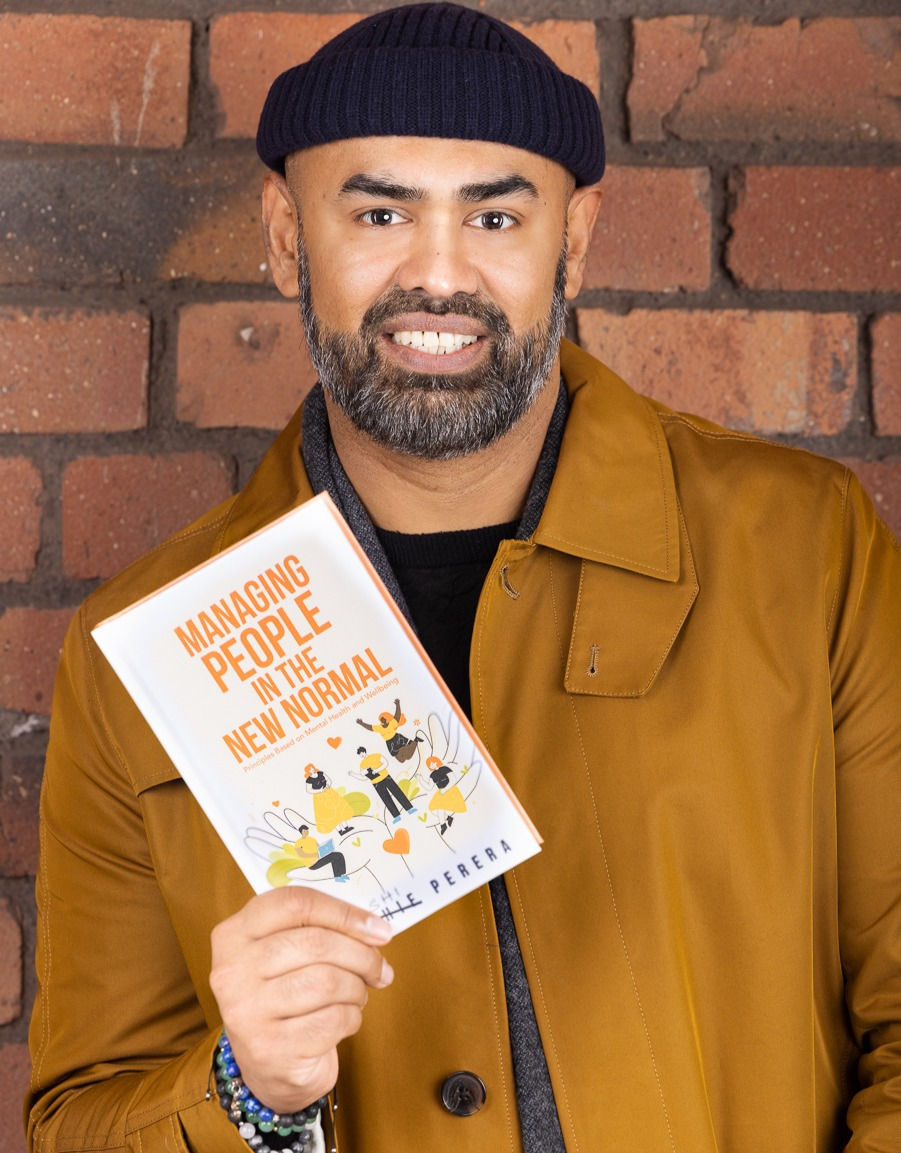
Management of employees within the home environment is a major topic for employers and managers especially here in the West, where mental health issues in the workplace have been increasing for decades. A topic I have written extensively on in my book Managing People in the New Normal. You can read an excerpt here.
It is equally critical to invest in employee mental health. This could include providing access to counselling services, raising mental health awareness, or fostering a supportive work atmosphere where employees feel comfortable sharing any concerns they are having. Mental health first aid training is the foundation of building a mentally literate workforce and can have a major positive impact on work life. If you have not heard of mental health first aid, you can see the courses and content here.
Presenteeism
Presenteeism, on the other hand, means going to work while sick, either physically or mentally. While it may appear to be productive on the surface, it frequently leads to lower productivity, poor job quality, and potential health risks for other employees. Presenteeism can be caused by a variety of causes, including job instability, a heavy workload, and a workplace culture that discourages employees from taking sick leave.
Combating presenteeism entails cultivating a culture that prioritises employee health and well-being. Employers can create a balanced workload by encouraging employees to take sick leave when necessary. Policies should also be implemented to guarantee that employees are not punished or stigmatised for taking sick leave. Promoting mental health and helping people who are having challenges with their mental health can also help cut down on presenteeism. As mentioned in my book, the most common causes of presenteeism are:
Unrealistic employer expectations and time pressures
No paid sick days
Loyalty or job insecurity
Harassment or discrimination for taking sick days
Larger workloads
Understaffing
Leaveism
Leaveism is the least well-known of the three. It means that an employee uses paid time off, such as annual leave, to do work or works when they are meant to be on leave. This kind of behaviour is often caused by having too much work to do, being afraid of falling behind, or not having a clear line between work and personal life, especially with the rise of remote work.
Organisations can counteract leaveism by encouraging a clear division of work and personal time. This may entail creating explicit work-hour standards and ensuring that employees feel safe taking their full annual vacation. Additionally, it's critical to carefully manage workloads to prevent staff from becoming overburdened and turning to working on their days off.
Improved People Management
To counteract these things that hurt company culture, organisations need to put a priority on better people management. This includes encouraging open channels of communication, providing regular feedback, and establishing a friendly and inclusive atmosphere. Employees must feel heard, valued, and appreciated.
My Departmental Localisation (DL) strategy, which I have dedicated an entire chapter to in my book is an excellent tool to communicate and get feedback from employees. DL determines that to understand an organisation and the needs and wants of its workforce, management practices must be personalised, localised, unique, and specific to each department. Think of each department in an organisation, as its own organisation. That is Departmental Localisation.
Regular check-ins and one-on-ones where employees may share their worries and needs are one method to accomplish this. This can help find possible problems before they get worse and give people a chance to act before they get out of hand.
Actioning these quick fixes will have an immediate positive impact on staff morale. Staff will feel seen and heard, it will show employees that the data collected via the DL process was not another futile “do-gooder” exercise. Too many organisations are guilty of futile “do-gooder” exercises that amount to nothing. Information is gathered, goes up the chain and nothing becomes of it. Employees are bored stiff of such practices by employers. – Managing People in the New Normal
Furthermore, it is critical to create a corporate culture that encourages work-life balance, respects personal time, and emphasises the importance of mental health. Stress management resources, counselling services, and mental health days can dramatically increase overall employee well-being and job satisfaction helping to counteract the primary causes for absenteeism, presenteeism and leaveism.
Follow me on Facebook, Instagram, LinkedIn, Twitter, and Youtube, or visit my website for more info!
Richie Perera, Executive Contributor Brainz Magazine
Richie is an award-winning CEO and Founder of Mental Health and Life, an organisation that delivers Mental Health First Aid, Race Equity and Suicide Intervention training. Richie is recognised as a global leader in people management and the author of the groundbreaking book, Managing People in the New Normal. Richie is a speaker and consultant on workplace mental health and wellbeing describing it as the most overlooked, undervalued, yet most lucrative facet of business.