The Second Half of Life Isn’t a Slowdown - It’s a Wake-Up Call! Exclusive Interview with Linda Lee Smith and Richard Schmelke
Brainz Magazine Exclusive Interview
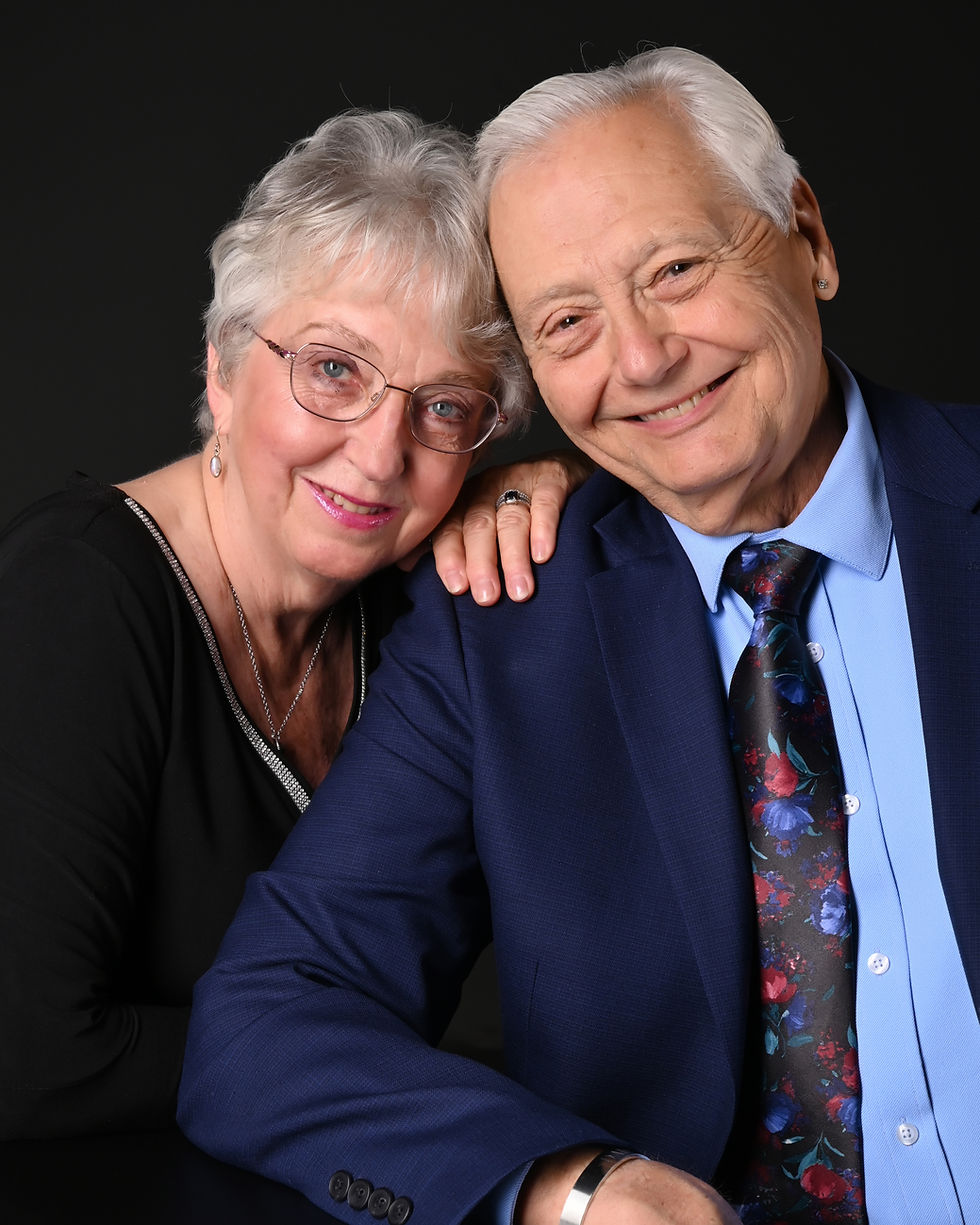
Linda Lee Smith, RN, MS, HTCP, CCA, began her career in critical care nursing, where she quickly realized that Western medicine, while invaluable, did not always provide the full range of answers people needed for healing. After earning her master’s degree in Community Health, she served in leadership roles in home health and hospice—experiences that deepened her understanding of whole-person care. Over time, her path led her toward integrative and alternative healing, where she found work that most deeply resonated with her heart and calling.
Linda became a Healing Touch practitioner and instructor, as well as a clinical aromatherapist, and later created international certification programs in holistic healing that have reached students across North America, Europe, and Australia. Through her teaching, speaking, and writing, she has introduced tens of thousands of people to the power of energy healing and natural approaches that support physical, emotional, and spiritual well-being. She is also the author of numerous books that help readers find practical and meaningful paths to healing.
Richard Schmelke has extensive experience in quality assurance and leadership, gained through his work with a leading jet engine manufacturer. Throughout his career, including key leadership roles within his church, he has been recognized for inspiring others to think creatively, live purposefully, and look beyond their current circumstances. After meeting Linda, Rich’s life took an unexpected turn. He became certified in aromatherapy and life coaching, delved into personal growth, discovered his talent for writing, and eventually became a successful author.
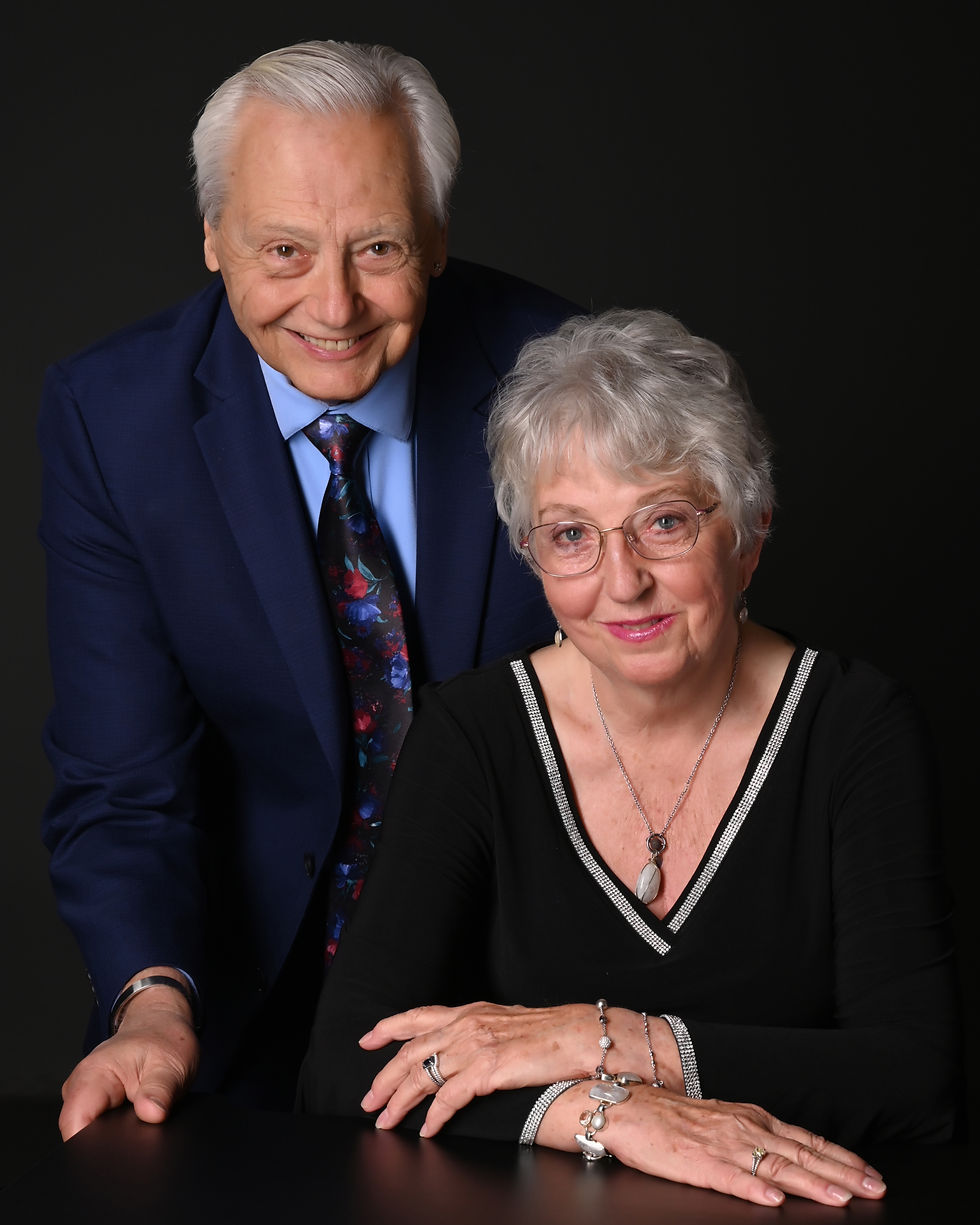
Together, Linda and Rich have created coaching programs and inspirational offerings to help people rediscover purpose, joy, and a renewed sense of possibility. Their work is rooted not only in professional expertise but also in their personal experiences of finding love, meaning, and a vibrant new chapter later in life. As TEDx speakers, authors, and coaches, they share an optimistic message: life is not over at a certain age—indeed, in many ways, it may just be beginning.
When they are not writing, speaking, or coaching, Linda and Rich love traveling the world together. Their adventures continue to deepen their wisdom, perspective, and encouragement for their readers, audiences, and clients.
What do people misunderstand most about this stage of life?
One of the most common misunderstandings about this stage of life—particularly around retirement—is that it represents an ending. There is a cultural narrative that suggests this is the time to slow down, step back, and simply maintain what has already been built. While rest and reflection certainly have their place, we see something very different in the people we work with.
What we see is that this stage is a transition, and a deeply significant one. For many, identity has been closely tied to their careers for decades. Their sense of value, contribution, and even belonging has been shaped by what they do. When that chapter closes, it can feel as though something essential has been taken away.
What is often missing is not preparation but perspective. People spend years preparing financially for retirement, yet devote very little time to considering how they want to live, who they are becoming, and what will bring meaning to their lives beyond their work.
We often describe this as the “legacy phase” of life—not in the sense of what you leave behind, but in how you choose to live now. It is a time to return to yourself, ask deeper questions, and realign with what truly matters. When people see this stage not as a withdrawal from life but as a re-engagement with it, everything begins to shift. New possibilities emerge, often in ways they had not considered before.
Can you share a defining moment when you realized your life needed a new direction?
For both of us, the shift into this work did not come from a single dramatic moment but from a gradual awareness that something within us was no longer fully expressed.
For Rich, that awareness was shaped by loss. After his first wife passed, he moved through life without feeling fully connected to it. He was doing what needed to be done, showing up where he was expected, but there was a quiet sense that something deeper had gone silent. That experience brought him to a point where he had to choose between continuing on the surface of life or stepping into something more meaningful, even if it was uncertain.
For Linda, the transition came from a different yet equally powerful place. After many years in nursing, teaching, and holistic healing, there was a growing sense that something more integrated was emerging. It was not about leaving behind what had been meaningful, but about expanding into a new level of expression—one that brought together coaching, energy awareness, and a deeper focus on personal transformation.
In both cases, the common thread was learning to listen, not to external expectations but to that inner voice that quietly invites change. Following that voice required trust and a willingness to step into the unknown. That shared experience of reinvention enables us to guide others with authenticity and understanding.
How do you help clients rediscover meaning and identity beyond work?
Many people enter this stage of life believing they have lost their purpose, when in reality they have only lost the structure that once defined it. For years, purpose has been shaped externally by roles, responsibilities, and expectations. When those structures change or fall away, it can feel disorienting.
Our work begins by helping people understand that who they are is not defined by what they have done. That realization alone can be both freeing and unsettling because it opens the door to something deeper.
From there, we guide them through a process of reconnection. This involves more than simply thinking about what they want; it requires listening at a deeper level—through their bodies, emotions, and intuitive sense of what feels meaningful.
We explore questions such as: What brings a sense of aliveness? What has been set aside over the years? What feels true now, not just familiar? As these questions are explored, something begins to shift. Meaning is no longer something they are searching for outside themselves. It begins to emerge from within.
What we often see is that this leads to new forms of contribution. Sometimes it shows up as creative expression, sometimes as deepening relationships, and sometimes as service in ways that feel more aligned. There is no single path, and that is part of the freedom. Purpose becomes less about productivity and more about living in alignment with who they are.
What belief do people need to let go of to truly thrive in the second half of life?
The belief that “it’s too late” is among the most limiting and pervasive. It often operates quietly in the background, shaping decisions and narrowing possibilities before they are even considered.
We have both seen—and experienced—how powerful this belief can be. It leads people to assume that their most meaningful opportunities are behind them, that change is no longer realistic, or that growth has already passed its timeline.
In truth, the second half of life can be one of the most powerful seasons of transformation. There is often more wisdom, more perspective, and, in many cases, more freedom than ever before. What is required is a willingness to let go of the idea that time has run out.
When that belief begins to shift, something opens. People become willing to explore, take small steps, and consider possibilities they may have dismissed. Once that door is open, life often begins to respond in ways that feel both surprising and deeply aligned.
“The second half of life can be one of the most powerful seasons of transformation.”
How has working as a couple shaped your coaching approach? Are there moments where your perspectives differ?
Working together has brought a level of depth and balance to our coaching that we could not achieve individually. We each bring different life experiences, perspectives, and strengths to the work.
Linda brings strong intuitive and holistic awareness, helping clients connect with what they are feeling and what is happening beneath the surface. Rich brings structure and clarity, helping translate that awareness into practical, meaningful action.
There are certainly moments when we see things differently, but we view those differences as a strength rather than a challenge. Those differences allow us to approach situations from multiple angles and meet clients where they are, rather than from a single perspective.
For clients, this creates a more complete experience. They feel seen and understood and gain the clarity needed to move forward. In many ways, our partnership models the integration we help clients develop within themselves.
Which area is hardest for people to reclaim, and why?
Among the areas we focus on—health, relationships, creativity, and time and money freedom—creativity is often the hardest for people to reconnect with. Not because it is absent, but because it has been set aside for so long.
Life often becomes centered on responsibility, career, and obligation, and creative expression is frequently seen as optional or even indulgent. Over time, people stop engaging with that part of themselves altogether.
When they finally have the space to explore it again, uncertainty or even self-doubt can arise. Questions such as whether they are good enough or whether it matters may surface. But creativity is not about performance; it is about expression. It is one way we reconnect with who we are beyond roles and expectations.
When people allow that part of themselves back in, without judgment or pressure, something shifts. That shift is not limited to creativity—it often extends to emotional and spiritual well-being, opening the door to deeper transformation.
What is the very first step someone can take if they feel stuck?
The first step is to pause and become aware. Most people try to move beyond feeling stuck by searching for immediate answers or solutions. But clarity does not come from rushing forward—it comes from paying attention.
We often encourage people to start by noticing what they notice. What feels out of alignment? What feels right? What has been ignored or set aside? What are their longings and discontent telling them?
A simple question can start this process: What would I truly love? Not what makes sense or what others expect, but what feels genuine. This question shifts the focus from external pressure to internal awareness.
From that place, the next step need not be large or dramatic. It only needs to be honest. Small, aligned steps build momentum, and over time, that momentum leads to meaningful change.
“This stage of life is not about winding down but about waking up.”
How do you hope your work changes the way society views aging and retirement?
We hope to help shift how aging is perceived—from a time of decline to a time of deepening. There is richness in experience, wisdom, and perspective, yet culturally, much of the focus remains on what has been lost rather than on what is still possible.
Retirement, in particular, is often framed as stepping away from contribution. We believe it can be a transition to a more meaningful form of contribution—one that is chosen rather than required and aligned with who a person truly is.
If our work does anything, we hope it helps people see that this stage of life is not about winding down but about waking up. There is still so much life to live, and it can often be lived with greater intention and authenticity than ever before.
Through their work, Linda and Rich are helping redefine what it means to grow older—not as a gradual fading of purpose, but as an invitation to live with greater depth, clarity, and intention. Their message is both timeless and deeply hopeful: some of life’s most meaningful chapters may still be waiting to unfold.
You can connect with Linda & Richard on TikTok, LinkedIn, and Facebook pages by searching for their names. And you can find out more about their coaching by going to: https://www.TransformationalWellnessServices.com.