The Growing World of Pet Travel and Understanding Market Trends and Opportunities
Lauren Anders Brown is an award-winning documentary storyteller who uses film, photography, audio, and her writing to focus on issues of global health and human rights. She has captured content in over forty countries, including conflict zones, in order to amplify the voices of others and especially women.

In recent years, the pet travel industry has experienced remarkable growth, transforming from a niche service into a thriving global market. As pet owners increasingly view their companions as family members, the demand for specialized travel services continues to rise, creating substantial opportunities for businesses in this sector.
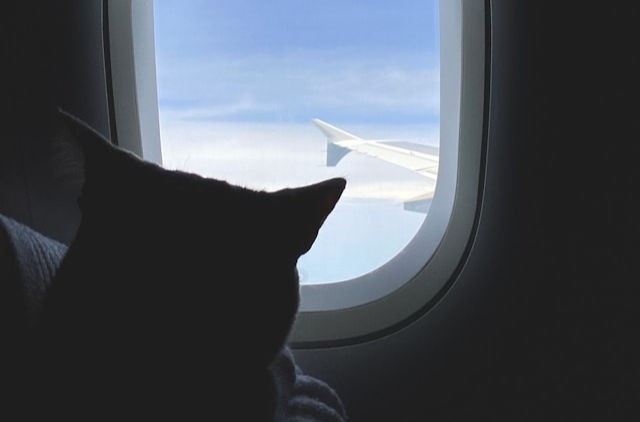
Market overview: A billion-dollar industry on the rise
The global pet travel services market reached an impressive USD 2.0-2.4 billion in 2024, with projections indicating robust growth at a compound annual growth rate (CAGR) of 8.9-10% through 2030-2037. This consistent growth trajectory underscores the market's resilience and strong consumer demand.
North America leads the global market, accounting for approximately 36.9% of the total revenue. The region's pet tourism services sector alone was valued at USD 1.27 billion in 2024 and is expected to reach USD 3.21 billion by 2035, growing at a CAGR of 8.8%.
What's driving this growth?
Key market drivers
The pet humanization trend, with owners increasingly viewing pets as family members
Rising global pet ownership, especially among Millennials and Gen Z
Expansion of pet-friendly infrastructure in hospitality and transportation
Technological advancements are improving booking convenience and travel safety
Growing international pet adoption and relocation trends
The pet humanization effect
At the heart of market growth is the profound shift in how people perceive their pets. No longer just animals, pets are now considered beloved family members deserving of comfort, safety, and enjoyable experiences during travel. This deep emotional connection translates directly into a willingness to invest significantly in premium pet travel services.
This shift is particularly pronounced in North America, where approximately 70% of U.S. households own a pet, and about 40% of these owners have traveled with their pet in the past year. The region's high disposable income levels further fuel spending on specialized services, making it a bellwether for global pet travel trends and innovation.
Market segmentation: Understanding the landscape
By pet type
Dogs dominate the market due to their natural friendliness and adaptability as travel companions. The vast global dog population and their owners' preference for including them in travel plans drive demand for dog-friendly services and facilities.
Cats represent a growing niche, with owners of the world's 200+ million cats increasingly seeking specialized travel options for their feline companions.
By travel type
Domestic travel currently accounts for the largest revenue share, benefiting from higher frequency, simpler logistics, and fewer regulatory hurdles. International travel, despite its complexities, is the fastest-growing segment, driven by increased global mobility and international pet adoption.
By transport mode
Air travel leads with over 62% market share, valued for its speed and convenience over long distances. Airlines have increasingly adopted specialized pet policies, including in-cabin travel options. Ground travel offers accessibility for shorter trips and faces fewer regulations, making it a popular choice for local journeys.
Emerging trends shaping the future
Premiumization and luxury pet travel
High-end services like private jet charters, luxury pet hotels, and bespoke concierge services are gaining traction among affluent pet owners. K9 Jets, for example, reported USD 500,000 in ticket sales overnight for a single London-New Jersey route.
Digital transformation
Integrated travel planning platforms that combine pet-friendly accommodations, transportation options, and accessories under one roof are increasingly popular. These digital solutions simplify the complex process of planning pet travel by offering features like user reviews, real-time availability, and personalized recommendations.
Focus on pet well-being
Growing awareness around pet anxiety during travel is driving demand for specialized behavioral solutions and therapeutic products. Pre-travel veterinary check-ups and health certifications are becoming standard practice to ensure pets are fit for travel.
Sustainability initiatives
Reflecting broader consumer preferences, pet travel products are increasingly using sustainable materials such as recycled fabrics and biodegradable waste products.
Challenges and opportunities
Challenges
Regulatory complexities vary by country
High costs are limiting affordability for some pet owners
Limited service availability in rural or underdeveloped areas
Lack of advanced pet monitoring systems during transit
Opportunities
Specialized services navigating complex regulations
Digital platforms streamlining booking and travel management
Premium experience packages beyond basic transportation
Strategic partnerships across the travel ecosystem
Eco-friendly practices meet sustainability demands
Strategic outlook for businesses
For businesses looking to enter or expand in this growing market, several strategic approaches show promise:
Specialization: Focusing on specific segments (like luxury travel or certain pet types) can create distinctive value propositions in a competitive market.
Digital innovation: Investing in user-friendly booking platforms and real-time monitoring solutions addresses key pain points for pet owners.
Regulatory expertise: Developing specialized knowledge to navigate complex international regulations can unlock significant cross-border market potential.
Experience enhancement: Moving beyond transportation to offer comprehensive travel experiences that include accommodations, activities, and pet care.
Partnership development: Collaborating with airlines, hotels, and pet care brands can create bundled, value-added offerings and expand market reach.
Conclusion: A resilient market with long-term potential
The pet travel services market demonstrates remarkable resilience, driven by fundamental shifts in human-pet relationships rather than passing trends. As pets are increasingly viewed as family members, spending on their travel needs becomes less discretionary and more essential for many owners.
This positioning as a non-discretionary expense category makes the sector less susceptible to economic downturns than many other industries. For investors and entrepreneurs, the pet travel services market represents a compelling opportunity with strong growth potential and increasing diversification into premium experience-based offerings.
As the market continues to evolve, businesses that can effectively balance innovation, customer experience, and operational excellence will be well-positioned to capture their share of this growing global opportunity.
Lauren Anders Brown, Tech Startup Entrepreneur
Lauren Anders Brown is an award-winning documentary storyteller who uses film, photography, audio, and her writing to focus on issues of global health and human rights. She has captured content in over forty countries, including conflict zones, in order to amplify the voices of others and especially women. She produces work through her own production company colLABorate: ideas and images, works as a consultant for the United Nations, and is Creative Director of the e-learning startup Gamoteca. She is a true artivist: an artist who uses any and all of her available platforms to creatively advocate for human rights.
Lauren is an entrepreneur, founder of her tech startup PadsPass and digital pet passport helping people travel with their pets.