The Discipline of Self-Mastery in a Culture of Stimulation and Escape
You've opened Instagram to check the time and lost twenty minutes. Don't pretend that hasn't happened. That's not weakness, that's Tuesday. But the scroll is only one version of this trap. There’s also the drink poured out of habit rather than thirst, the casino app spinning on your phone, or the online cart filled with things you don’t need. Every app on your phone, every autoplay feature, every "just one more episode" prompt on Netflix was built by a team of engineers whose entire job was making sure you don't stop. Having a code of conduct and a discipline of self-mastery has never been harder to practice, not because people got softer, but because the systems working against them got smarter, better-funded, and genuinely, almost impressively good at what they do. That's the actual problem nobody's naming clearly enough.
What self-mastery actually means
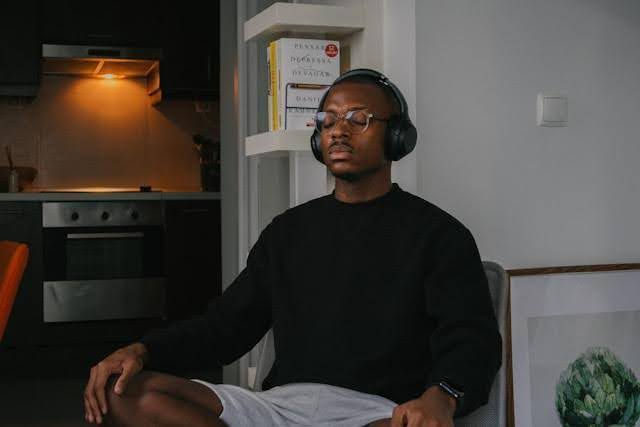
Not white-knuckling it. That's suppression, a different thing, worse outcome. Real self-mastery is acting in line with who you've decided to be, even when Spotify's algorithm just queued the perfect song and your couch is right there, and honestly, who would even know? It's that moment. The pause between impulse and action. That pause is everything.
Here's what nobody says out loud: modern culture profits directly from your lack of discipline. The attention economy runs on impulsivity, the same way casinos run on the belief that luck is about to turn. Every reflexive scroll, every drink poured out of routine rather than genuine desire, every hour you meant to spend differently, that's someone else's revenue. Not a conspiracy. Just the business model is working.
The discipline of self-mastery flips that entirely. Suddenly, you're the one directing your attention, which is, of course, exactly what these systems cannot afford to let happen.
Self-mastery and vice stimulation
Alcohol is one of the most common vices that you need self-mastery to fight, and succeeding has profound effects. Seven days. That's all it takes to start noticing. Sleep deepens almost immediately because alcohol (even two glasses of wine) actively suppresses REM cycles in ways most people never connect to that restless, vaguely unsatisfying sleep they've normalized. After 7 days without alcohol, your liver begins recovering. Morning fog starts lifting. Minor stuff, maybe, but it's real, and it compounds fast.
Alcohol is the most normalized vice in most cultures, but it’s not the only one built on the same loop. Gambling platforms use variable reward schedules, the same mechanism as slot machines, to keep you in the chair long after you meant to leave. Drug use and gaming addiction follow identical neurological patterns: a brain chasing a hit it can only half-remember. Each of these vices offers a version of escape, and each extracts the same cost.
Self-mastery in the digital world
Dopamine didn't used to be this cheap. Before smartphones, before DoorDash, before Amazon's same-day delivery turned patience into an optional personality trait, getting a reward required actual effort. Your brain evolved over millions of years to chase rewards hard, that drive kept humans alive. But it was never meant to operate inside an environment specifically designed to exploit it at scale.
So now, rest feels wrong. Boredom feels like a problem you should solve immediately. Stillness creates low-grade anxiety because your nervous system has been trained to expect constant input, and anything less registers as something missing. This is that specific modern exhaustion where you're simultaneously overstimulated and completely drained, and neither sleep nor scrolling actually fixes it.
Consequently, choosing to sit with discomfort, leaving the phone in another room, skipping the drink, letting the boredom just exist, is genuinely countercultural now. You're opting out of a system for which billions of dollars were spent to keep you inside. That's not dramatic. That's just accurate.
Self-mastery in a consumer culture
One-click checkout, flash sales timed to expire before you think twice, algorithmically served push notifications, consumer culture has turned impulsive spending into the default path. Amazon’s “frequently bought together” and TikTok Shop’s seamless in-video purchase aren’t convenience features.
Their behavioral architecture is designed to collapse the gap between want and buy. The moment of purchase is already too late to exercise the discipline of self-mastery, the design decision has to come first.
Just don't fight yourself in the moment. You'll lose every time. The real work happens earlier, in the design decisions you make before the craving even shows up.

James Clear covers this in Atomic Habits, and honestly, he's right. Add friction to the things you don't want to do. Remove friction from the things you do, and you’ll avoid procrastination and do the right things. Don't keep the wine in the house if the wine is the problem. Charge your phone outside the bedroom. Schedule the workout before 7 p.m. hits, and you start negotiating with yourself about whether you're really that tired.
Why discomfort is actually the whole point
Sit with it. The craving, the boredom, the itch to check your phone mid-conversation, just let it be there without acting on it. That's the practice. That's all of it, really.
Marcus Aurelius deliberately chose harder conditions as training. The Stoics made voluntary discomfort a discipline, not a punishment. Modern mindfulness frameworks say the same thing in updated language. The principle has survived two thousand years because it keeps being true: tolerating discomfort builds consistency needed for self-control, and that capacity is the foundation of everything else.
The paradox, though... the more comfortable you get sitting in discomfort, the freer you become. Not freedom as in "do whatever you want", that's just appetite with no direction. Actually, freedom is in choosing your response, living in the pause, acting from intention rather than impulse. That distinction matters enormously, and almost nobody explains it plainly.
The power of choosing differently
No one's watching. There's no transformation video, no applause, no dramatic moment where everything clicks. The discipline of self-mastery compounds in private, in the small decisions made at 10 p.m. on a random Wednesday when no one would notice either way.
Pick one area. One week. One decision made in advance and held without renegotiation when it gets inconvenient. The culture keeps pushing escape, noise, and stimulation, that is not changing. But your response to it can.