

Illusion of Connection and the Dangers of Over-Reliance on Social Media for Community
Updated: Feb 12, 2025
Written by Dylan Heidt, Recovery Coach
Dylan Heidt is a board-certified Recovery Specialist with a unique ability to draw from a wide pallet of extensive lived experience. A deep understanding of others enables him to connect with clients on a profound level, fostering meaningful growth and transformative change in the lives of everyone that he serves.

In today’s digital age, social media has become an integral part of our lives. Platforms like Instagram, Twitter, TikTok, and Facebook allow us to connect with people from around the world with just a few clicks. The idea of having thousands of followers or virtual friends can create the illusion of belonging to a vast and loving community. However, this digital connection often lacks the depth and authenticity necessary for meaningful human relationships. Relying too heavily on social media for companionship can have serious consequences, leading to isolation, mental health issues, and a distorted perception of friendship and self-worth.
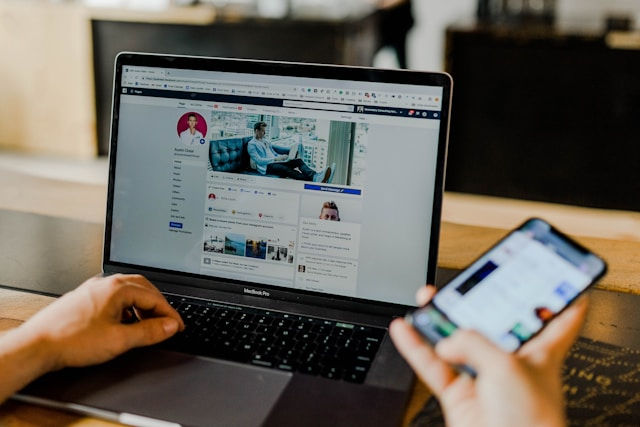
The illusion of community
One of the most significant dangers of excessive social media use is the false sense of community it fosters. Many individuals believe that a high follower count equates to strong social support, but in reality, these online connections are often superficial. While social media interactions may provide temporary validation, they rarely offer the genuine emotional support that true friendships require. A "like" on a post or a brief comment cannot replace the warmth of a face-to-face conversation or the comfort of a friend who truly understands you.
Mental health implications
Studies have shown that excessive social media use is linked to increased levels of anxiety, depression, and loneliness. The constant need for validation through likes, shares, and comments can lead to feelings of inadequacy and self-doubt. Additionally, social media often portrays unrealistic lifestyles, causing users to compare themselves to curated, usually exaggerated portrayals of happiness and success. This comparison can diminish self-esteem and create a persistent sense of unworthiness.
The risk of fake friendships
Social media fosters an environment where interactions are often transactional rather than relational. Many people follow others for networking purposes or to gain clout rather than out of genuine care or friendship. This results in relationships that lack sincerity and depth. When someone confuses these surface-level interactions with real friendships, they may be left feeling empty and unsupported when they truly need someone to rely on.
Lack of real-world social skills
Another consequence of excessive reliance on social media for social interaction is the deterioration of real-world communication skills. In-person interactions involve reading body language, facial expressions, and tone of voice elements that are often lost in text-based conversations. Over time, individuals who predominantly engage with others online may struggle with social anxiety, difficulty forming deep connections, and a decreased ability to navigate real-life social situations.
The importance of genuine human connection
Despite its benefits, social media should not replace real-life interactions. True friendships require time, effort, and emotional investment. They are built through shared experiences, face-to-face conversations, and moments of vulnerability. Spending quality time with family and friends in person fosters emotional bonds that cannot be replicated online.
To mitigate the harmful effects of excessive social media use, individuals should strive for a balanced approach. Setting boundaries, engaging in offline activities, and prioritizing in-person relationships can help maintain a healthy social life. By recognizing the limitations of online interactions and investing in real-world connections, people can cultivate more fulfilling and meaningful relationships.
Conclusion
While social media can be a valuable tool for staying in touch and networking, it is not a substitute for real human connection. The illusion of online friendship can leave individuals feeling lonelier than ever, reinforcing the importance of genuine connection that exists beyond a screen. By prioritizing authentic interactions and maintaining a healthy balance between the digital and physical worlds, we can ensure that our need for connection is met in a way that truly enriches our lives.
Read more from Dylan Heidt
Dylan Heidt, Recovery Coach
Dylan Heidt, formerly a thriving entrepreneur within the world of music, now spends the majority of his time helping his clients transform their lives via a holistic approach to long-term wellness and sustained recovery. A firm believer in maintaining total alignment of the mind, body and spirit, Heidt strives to open doors and create new pathways for his clients, actively reshaping and restructuring the way in which they tend to think about the mind, body and spirit as three seemingly separate entities, instead of one unified field of energy.







