

How the Handpan Supports Burnout Recovery, Stress Relief, and Emotional Well-Being
Matijas Slivnik is a naturopath specializing in burnout, hormonal balance, and chronic fatigue. He combines natural medicine, energy healing, and healing sounds to help clients restore body and mind, delivering lasting results with over 12 years of experience.

In today's fast-paced world, many people reach the end of the day physically at home but mentally still caught between work responsibilities, family obligations, deadlines, and endless to-do lists. What was once described as simple tiredness has evolved into something much deeper. People increasingly report waking up exhausted despite a full night's sleep, struggling to concentrate, feeling emotionally overwhelmed, and experiencing a persistent sense that their bodies never truly recover.
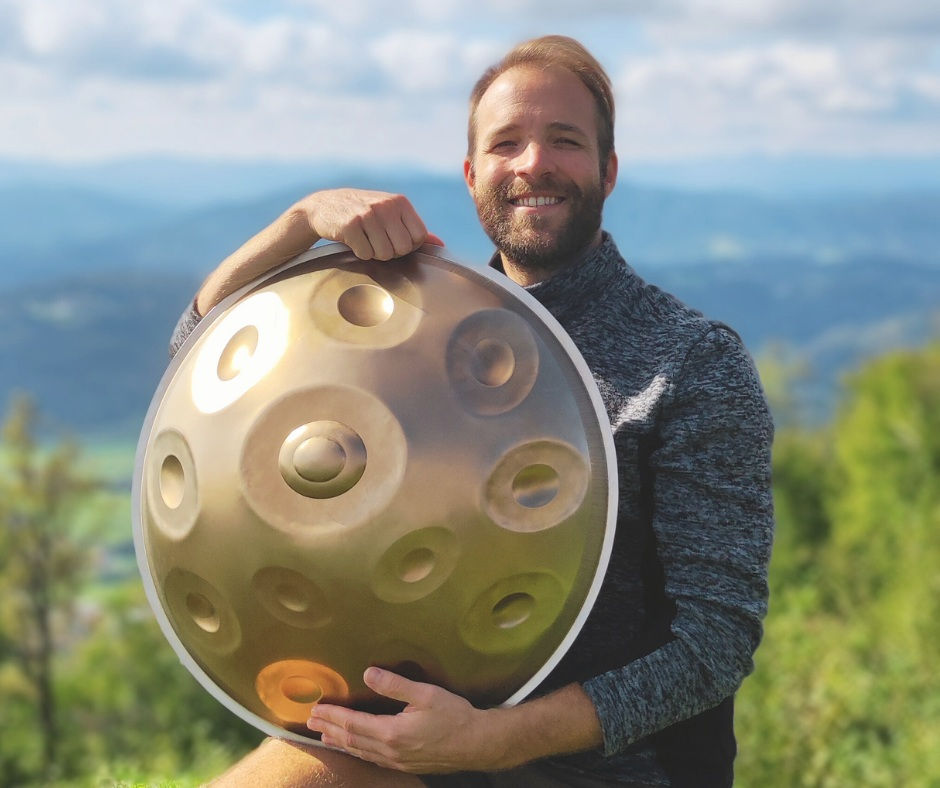
According to the naturopath and founder of the PraNaturas Method, these symptoms have become some of the most common concerns among his clients. Alongside nutritional support, lifestyle optimization, and natural approaches to regeneration, he has increasingly incorporated the therapeutic sound of the handpan into his holistic practice.
With more than three decades of musical experience, he has witnessed firsthand how music and vibration can provide support during challenging periods of life, not only for himself but also for many others seeking greater balance and resilience.
Why are so many people experiencing burnout and chronic stress?
The human nervous system was never designed for constant notifications, uninterrupted accessibility, information overload, and perpetual multitasking.
Modern life demands continuous attention. Emails arrive around the clock, phones never stop ringing, children require care, and professional responsibilities continue to expand.
When this state persists for extended periods, the body remains in a prolonged state of alertness. Although individuals continue functioning, their ability to enter deeper states of rest and recovery gradually diminishes.
Common signs of chronic stress and burnout may include persistent fatigue, difficulty sleeping or non-restorative sleep, physical tension and muscle tightness, reduced concentration and mental clarity, feelings of anxiety or overwhelm, loss of motivation, emotional exhaustion, and a constant sense of never truly switching off.
This is precisely why many health and wellness professionals today emphasize approaches that help regulate the nervous system and restore a sense of internal safety.
The power of sound in supporting nervous system regulation
Sound has accompanied humanity for thousands of years. Drumming, chanting, music, and vibrational instruments have played important roles in ceremonial, meditative, and community practices across cultures.
Among modern sound instruments, the handpan, sometimes referred to as a hang drum, is known for its warm, soothing, and harmonious tones. Many listeners describe the experience as calming, grounding, and emotionally restorative.
While handpan sessions are not considered medical treatment and should never replace professional healthcare, growing research in music therapy suggests that certain forms of music and sound-based interventions may contribute to stress reduction, emotional well-being, and psychological recovery.
Several studies have also explored the positive effects of music-based interventions in individuals experiencing symptoms associated with burnout, emotional exhaustion, and prolonged stress.
Supporting every generation through sound
Stress is often associated with working adults, but the reality is that emotional overload affects people across all stages of life.
Children and teenagers
Today's children face increasing academic expectations, packed schedules, digital overstimulation, and social pressures from an early age.
As a result, many young people experience restlessness, difficulty concentrating, irritability, and sleep disturbances.
Listening to the gentle sounds of a handpan can offer a valuable opportunity to slow down, a moment free from screens, performance expectations, and everyday pressures.
Parents and busy professionals
Modern parents frequently juggle careers, family life, household responsibilities, and countless daily obligations. Many dedicate their energy to caring for others while neglecting their own well-being.
A common sentiment expressed by clients is: “I spend my entire day taking care of everyone else, and by evening, I have nothing left for myself.”
In these situations, sound-based relaxation can create a space where individuals allow themselves to pause, release mental tension, and reconnect with their inner resources.
Older adults
Later stages of life bring different challenges. Some individuals experience loneliness, while others navigate major lifestyle changes following retirement or cope with health concerns and uncertainty about the future.
Pleasant auditory experiences often encourage relaxation, presence, and emotional comfort. For this reason, many older adults find sound sessions to be a meaningful complement to activities that support quality of life and overall well-being.
Integrating sound into a holistic naturopathic approach
Within naturopathy and the PraNaturas Method, health is never viewed solely through the lens of symptoms. Instead, attention is given to the individual's complete story, including nutrition, sleep quality, daily routines, emotional burdens, stress levels, recovery capacity, and nervous system function.
For this reason, sound is not seen as a standalone solution but rather as one element within a broader framework of support.
When balanced nutrition, digestive support, restorative sleep, stress management strategies, breathing techniques, regular movement, dedicated recovery time, and sound-based relaxation practices are combined, the body is provided with conditions that may help activate its natural regenerative processes more effectively.
Sometimes the body needs less, not more
When people feel exhausted, their instinct is often to push harder, drink more coffee, work longer hours, add more activities, or seek additional stimulation. Yet there comes a point when the body no longer benefits from increased effort. Instead, it needs space.
This may be one reason why the handpan resonates so deeply with many people. It asks for nothing. There are no goals to achieve, no performance standards to meet, and no expectations to fulfill. It simply invites presence.
In a society that constantly demands attention and productivity, moments of genuine stillness have become increasingly rare. The handpan offers an opportunity to reconnect with the present moment, to experience what it feels like to simply be.
Whether someone is a child, a parent, a busy professional, or an older adult, everyone needs moments of pause. Sometimes, it is within those quiet moments that the journey back to balance, vitality, and well-being begins.
How he uses the handpan sound support in practice
As part of his professional work, he facilitates live sound meditation sessions and sound baths for groups, individuals, and special events. Depending on the circumstances, sessions may also be offered online.
In addition, he creates and professionally records studio-produced therapeutic audio content designed to support both mental and emotional well-being. These recordings are often provided to clients as an ongoing resource for relaxation, mindfulness, and inner balance between sessions.
Everything is vibration
He believes that personal transformation begins within. When individuals invest in their own growth, awareness, and well-being, the way they experience the world begins to change. Relationships evolve, perceptions shift, and new possibilities emerge.
Every day offers a new opportunity to move forward, to grow, and to create positive change. Because when people transform themselves, they inevitably influence the world around them.
Read more from Matijas Slivnik
Matijas Slivnik, Naturopath, Therapist, Musician
Matijas Slivnik is a naturopath specializing in burnout, hormonal balance, and chronic fatigue. With over 12 years of experience, he combines natural medicine, energy healing, and psychotherapeutic modalities to support holistic health. As an experienced musician, he uses music and healing sounds to enhance healing. Matijas is the founder of PraNaturas, helping clients restore energy and balance naturally.







