How It Goes For Women, Goes The Business, The Nation, And The State
Updated: Jan 23, 2024
Written by: Laurie Levin, Executive Contributor
Executive Contributors at Brainz Magazine are handpicked and invited to contribute because of their knowledge and valuable insight within their area of expertise.

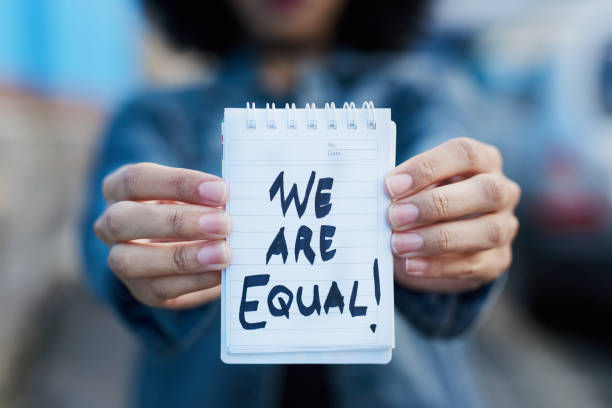
More and more global and national leaders have come to understand, that as women lead, negotiate, and legislate, everyone does better. And for this reason, closing the gender gap is critically important to solving our greatest challenges and improving the lives of people around the globe.
In the way of our collective potential and progress:
Girls are more likely to never attend a day of school.
Women are more likely to live in poverty.
Seven of ten females worldwide experience physical and/or sexual abuse by an intimate partner.
Women earn less than men in almost every occupation.
Women are significantly underrepresented in business and politics.
According to the World Economic Forum’s Global Gender Gap Report (2021), another generation of women will live their lives without gender equality. Due to the pandemic, we have experienced further setbacks. It is now estimated that it will take another 136 years to close the gender gap worldwide.
Yet look at the difference women leaders make:
Female physicians have better outcomes.
Fewer patients die, have complications 30 days following surgery or are readmitted to the hospital.
Congresswomen pass an average of 2.31 bills versus 1.57 for Congressmen and obtain 9% more money for their districts.
Higher representation of women executives and corporate board members yields higher rates of return.
Peace accords last longer when women are part of the process.
Peace is 35% more likely to last at least 15 years when women are part of the peace negotiations.
The worst performing states in the United States on nine key quality of life and survival measures: Louisiana, Alabama, Mississippi, Tennessee, South Carolina, and West Virginia, have the lowest female representation (12-19% of state legislators). The best performing states on these same nine measures: Massachusetts, Connecticut, Rhode Island, New Hampshire, Maryland, Hawaii, and New Jersey, have the highest female representation (31% to 44% of state legislators.
The top-performing states have also passed both the State and Federal Equal Rights Amendment giving women in those states a much better quality of life while the poor performing states have not passed one or the other, or both, the State and Federal Equal Rights Amendment.
The data is clear. How it goes for women, goes the state, the nation, and the world. As women rise, every race, religion, and ethnic group rises with them.
The good news is we are growing more diverse in the White House, the halls of Congress, and in c-suites across America. Clearly, much work remains to be done to level the playing field, and we all play a significant role in making it happen.
I detail the 7 Habits of Equality in my book (Call Me A Woman: On Our Way to Equality and Peace). They are: Start the Kids Off Equally with One Identity, A Human Identity, Start the Marriage/Family on Equal Footing, Call Her a Woman, Respect and Appreciate Kind, Caring, and Peaceful Men, Speak Equality, Vote Equality, and Age with Grace.
The choices we make determine the speed of our progress in closing the gender gap. It is said we make about 35,000 choices every day. What an opportunity we have to make choices that reflect our belief in, and our commitment to, equality.
Right now, most people are living more habits of inequality than habits of equality in each of the seven areas identified by the 7 Habits of Equality. These areas include how we raise our children, marriage, how we perceive and label women, how we perceive and label men, the words you choose moment by moment, the choices you make at the polls, and the different ways you may view aging for women and men.
Our habits make us who we are, individually and collectively. Our path toward gender equality begins with human identity, one based on love, compassion, and care, rather than a binary, gender-based identity that limits and lessens our individual and collective potential. To reach the state of equality we must choose it with our words, our choices, our traditions, and our votes.
We become our habits. Whether it’s more vegetables on the plate or women at peace tables around the world, we all win as each of us gets healthier and our lives more equitable.
Laurie Levin, Executive Contributor Brainz Magazine
Laurie Levin is an author (Call Me A Woman: On Our Way to Equality and Peace) and Transformation Coach. She specializes in optimal nutrition, healthy weight loss, and the leading HeartMath® stress reduction techniques. She has been a featured speaker on each of these topics. Laurie has an MBA, is a Certified Coach, and HeartMath® Certified Coach, supporting clients globally to achieve their health and well-being goals. Her new book, Call Me A Woman: On Our Way to Equality and Peace, provides real-life experiences, global studies, and insights, and the 7 Habits of Equality that will reshape the world into one where all children have equal opportunities, from the beginning to the end of their lives. Healthy Happy Equal: It takes all 3 to thrive!