How Can We Love Ourselves? – When No One Taught Us How
Sara El Haouari, founder of Healing OM Spiritual Coaching, is a spiritual coach, energy healer, and somatic alignment facilitator. Shaped by a tumultuous childhood and personal adversity, Sara has learned to harness the power of self-discovery for inner healing.

Self-love has basically become the buzzword of our generation, tossed around like glitter at a kid’s birthday party, promising to stick to everything—your soul, your Instagram feed, your guilt when you don’t have it “figured out.”
Sprinkled with positive affirmations and, in worst-case scenarios, a dash of judgment—because apparently, it’s 2024, and if you haven’t mastered self-love yet, is your life even valid? (Spoiler: Yes, it is. Don’t panic.)
But really, what does self-love even mean?
Love: What is it, really?
The word “love” traces back to Old English “lufu” and is rooted in ideas of care, desire, and affection. Its essence? Connection. Love should be an innate, unbroken flow—a vibration we’re born into.
Just watch a child; they are love in its purest form, overflowing with curiosity, joy, and wonder. But here’s the catch: love isn’t just innate. Some parts of it are learned, shaped by our parents or caregivers.
And here’s where things get tricky: what happens when those who were supposed to teach us what love is and feels like didn’t quite have it figured out themselves?
The love we are taught (or not)
Our understanding of love is mostly shaped by our upbringing. If our parents or caregivers didn’t model self-love or healthy boundaries, we might struggle to understand how to truly love ourselves and tend to our needs. Instead, we inherit beliefs like:
“Family first, even if it means sacrificing yourself.”
“Stop crying, or I will give you something to cry about.”
“You have to work hard to be worthy of anything.”
“Be nice to everyone, even if they are mean to you.”
“Don’t be selfish – think of others first.”
“Don’t make a fuss; just keep the peace.”
Sound familiar? These ideas don’t just stay in our heads; they take up residence in our behaviours, shaping how we view ourselves and the world. They even turn love into something transactional, something to earn or chase, like a cosmic to-do list: “Check off these boxes, and maybe you will get a crumb of affection.”
And for the record, the Beatles were right: “All you need is love.”
Love is the most potent energy in the universe. It moves us, creates beauty, and heals. But love isn’t a fancy word; it’s an action.
For a child, love is presence, compassion, and unconditional care. It’s being seen, heard, and held. Here’s the thing: we don’t grow out of that need. As adults, we still crave connection and validation. Yet, we chase distractions—material things, money, and status—to fill the void left by unfulfilled emotional needs. Real, unconditional love? It doesn’t come from “out there.” It comes from “in here.”
My messy self-love story
I didn’t grow up with a clear picture of what love looked like—at least not the kind I needed. My childhood was a cocktail of dysfunction and trauma, with women in my family surviving rather than thriving. They sacrificed their dreams, buried their needs, and wore their pain like armour. There were no examples of boundaries or self-care, just cycles of self-abandonment.
And oh, did those patterns show up in my life:
People-pleasing tendencies? Check.
Perfectionism and unworthiness? Absolutely.
Anxiety, toxic relationships, and overgiving? All of the above.
…and a Wonder Woman complex that screamed, “I can do it all!” Except, spoiler, I couldn’t. If you are nodding along, then I wasn’t the only one!
And let me be real with you—although I am miles away from that girl who didn’t love herself one bit, I am still learning how to navigate this self-love thingy. Some days, I feel deeply connected to myself. Other days, I am caught in old patterns. Just last week, I packed my schedule so full I barely had time to breathe—because taking a break? That still feels selfish sometimes.
The point is, self-love isn’t a “ta-da!” moment. It’s a journey of highs and lows, of showing up for yourself even when it feels hard.
Are you blocking self-love without realising It?
Here is how you might unintentionally hold yourself back from accessing the energy of love:
Ignoring your needs or prioritising others at your expense.
Saying “yes” to everything because you fear rejection.
Criticising yourself harshly (seriously, stop).
Overworking or overachieving to prove your worth.
Neglecting your health and emotional well-being.
Staying in relationships that drain you.
Avoiding vulnerability.
Comparing yourself endlessly to others.
Suppressing your emotions to “keep the peace.”
Defining your value based on external validation.
Some ways to show yourself love (that actually work)
These aren’t revolutionary acts. They are small, deliberate choices that whisper, “I’m worthy of love.”
It might feel a bit weird at first, but eventually, you will find joy every time you create space for love in your daily life.
Say “no” to things that drain you (without a 15-minute explanation).
Rest when you’re tired—seriously, take the nap.
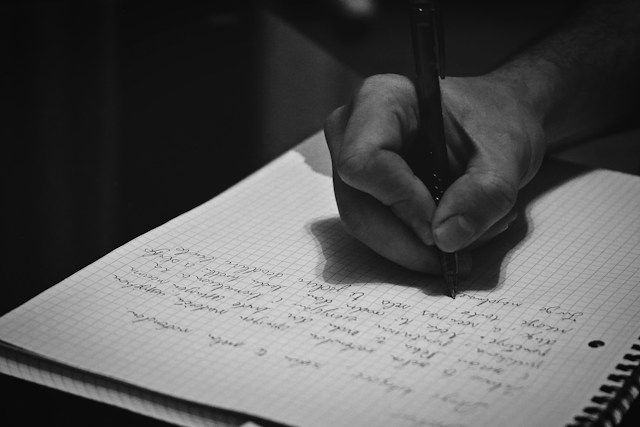
Write yourself a love note. Yes, really.
Treat yourself to something you’d normally reserve for someone else.
Ask yourself: “What do I need right now?”—and listen to the answer.
Give yourself grace and embrace imperfection.
Spend time doing what genuinely brings you joy.
Challenge yourself to set boundaries and honour them.
Write down three things you appreciate about yourself daily.
Move your body—not for punishment, but for celebration.
The journey is yours
Self-love isn’t about arriving at some mythical destination where everything is rainbows and unicorns. It’s about building a relationship with yourself—one that’s honest, compassionate, and patient.
Over the years, I have used my own experience to guide hundreds of people through the messy, beautiful process of healing their childhood wounds, releasing emotional blockages, and reconnecting with their inner wholeness. It’s not a quick fix, but it’s transformative.
This journey is raw and real. It’s waking up on some mornings feeling light and whole, and on others, struggling to show up. But each step you take, no matter how small, is a victory.
If this resonates, and you want to unlearn and relearn what self-love is, I would be happy to walk alongside you on your adventure. It’s time to invite the love you have always deserved back into
your life. Because let’s face it: life’s better with a little more love—for ourselves and for each other.
Read more from Sara El Haouari
Sara El Haouari, Spiritual Coach, Energy Healer & Somatic Alignment Facilitator
Shaped by a tumultuous childhood and personal adversity, Sara has learned to harness the power of self-discovery for inner healing. Through her own transformative journey, she has discovered her purpose: assisting others in navigating past pain, transcending limitations, unlocking the courage to manifest their best lives, and discovering true freedom.